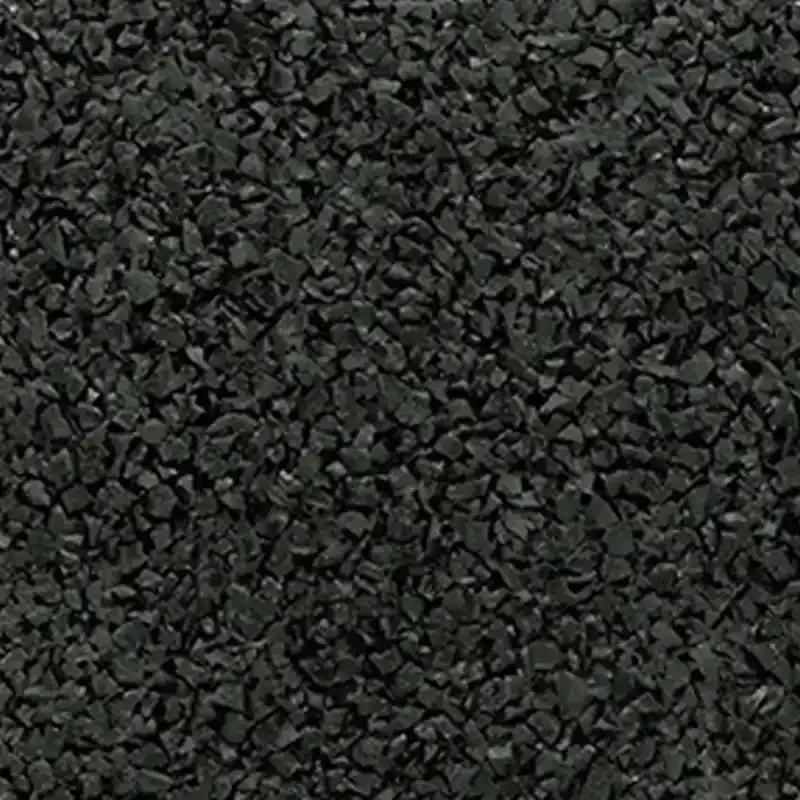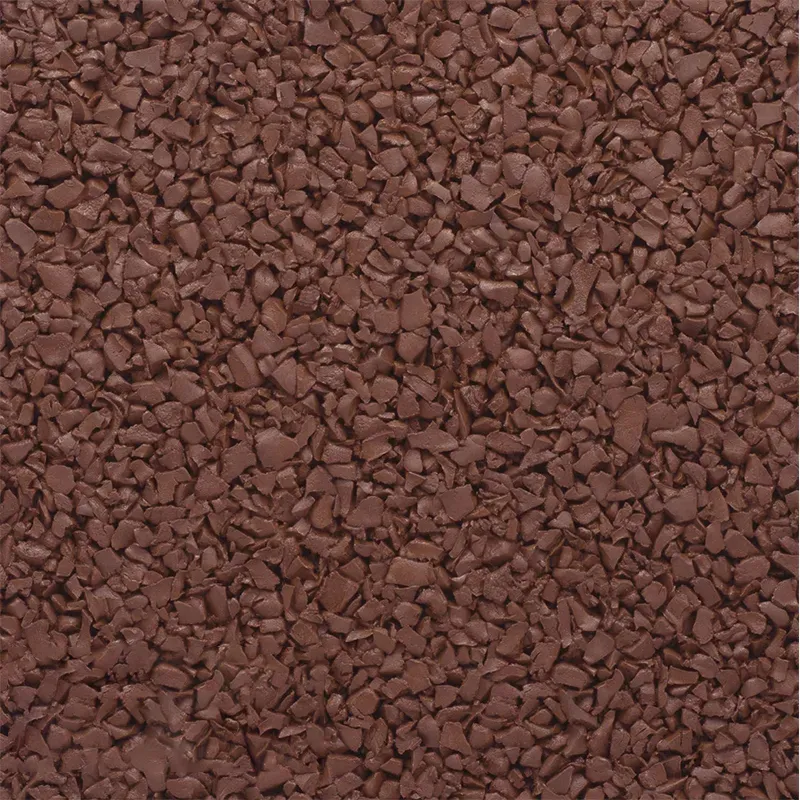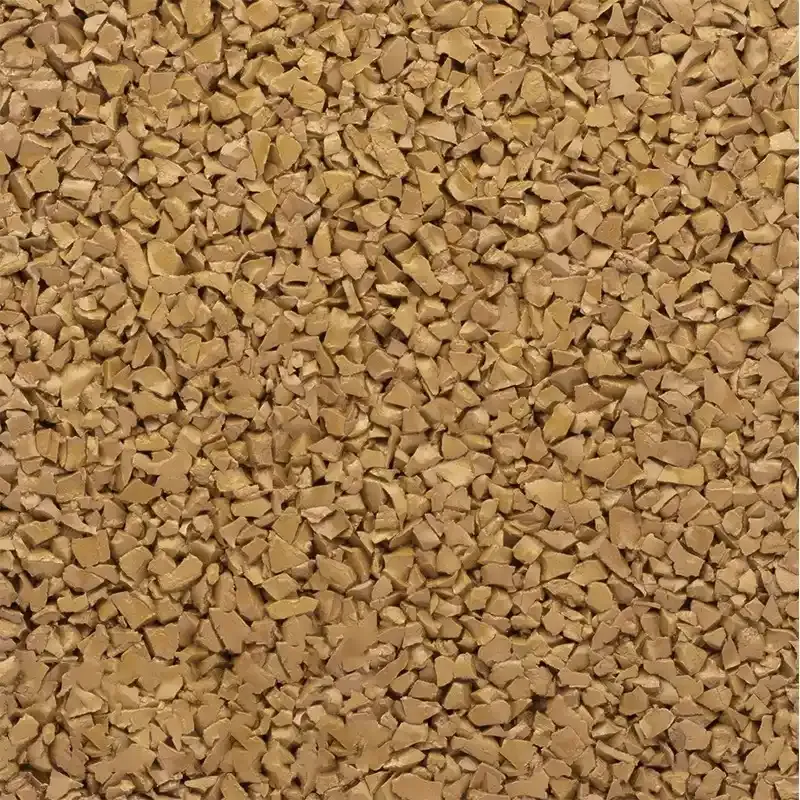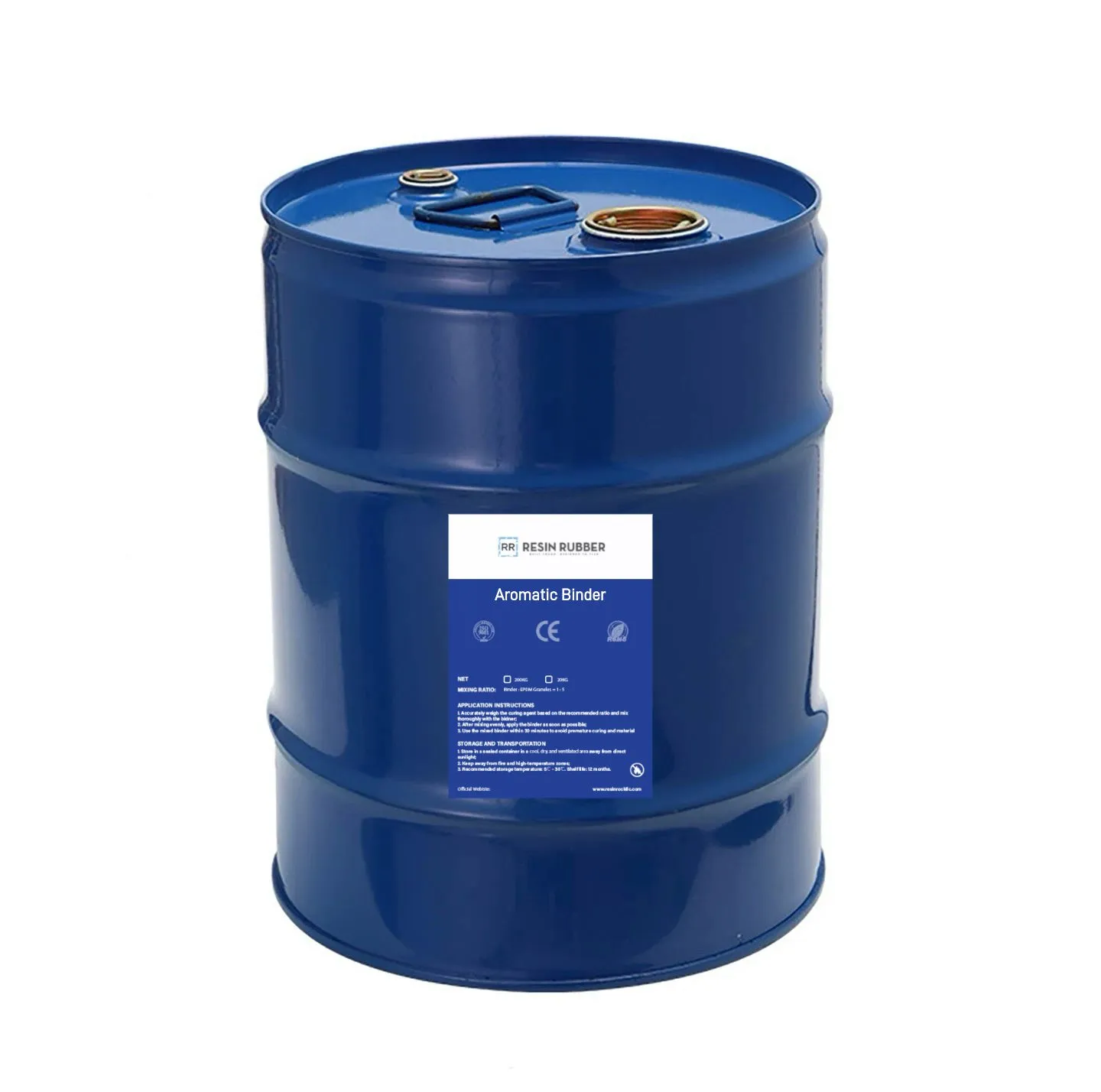
5-gallon pail (Aromatic Binder)
Resin binder

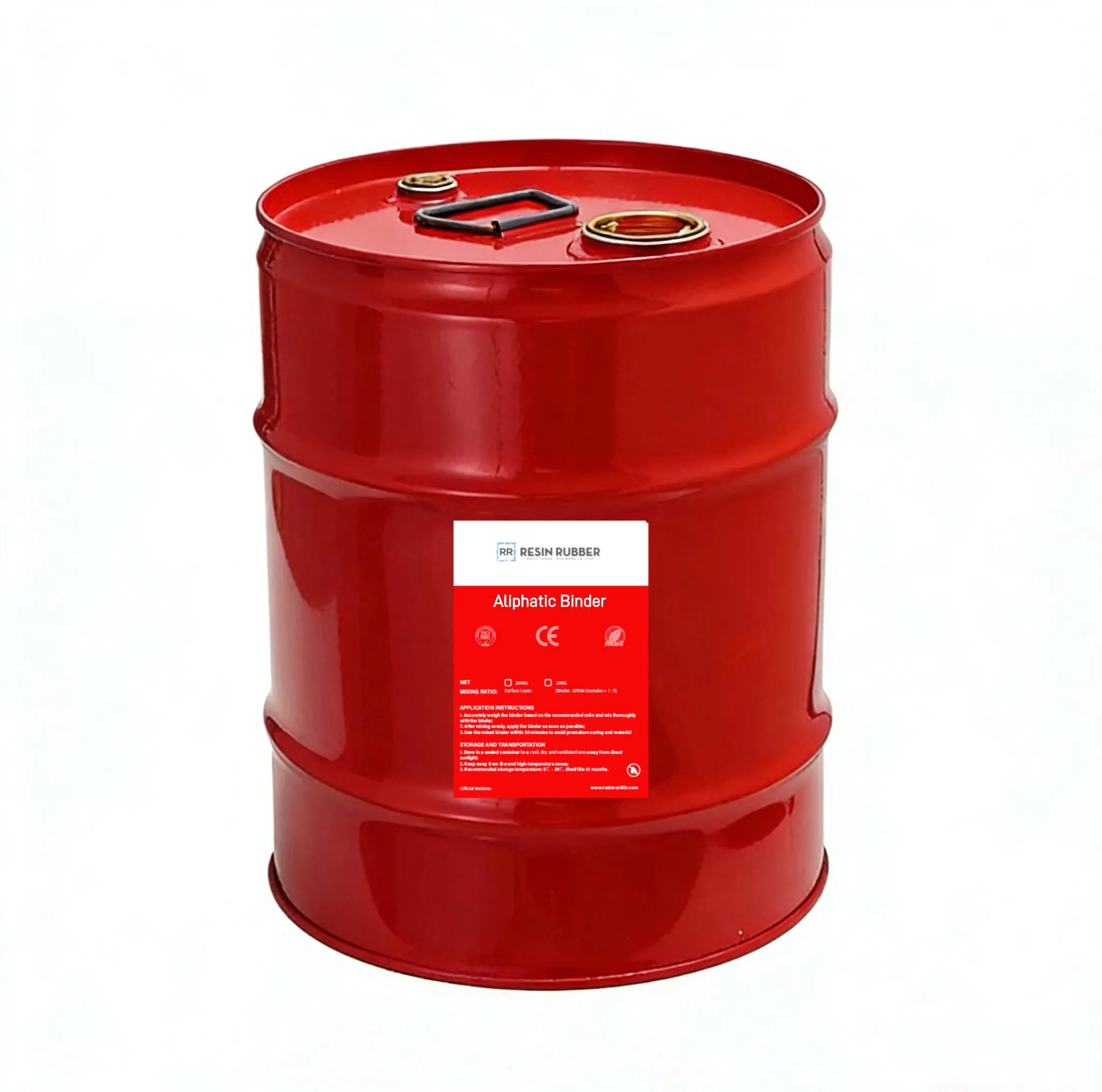
5-gallon pail Trade price for approved customers
UV-stable aliphatic resin binder in a 5-gallon pail, used with EPDM rubber granules for poured-in-place rubber surfacing that stays in the sun. Read more

Supplied by Resin Rubber
| Binder type | Aliphatic (UV stable) |
|---|---|
| Pack size | 5-gallon pail |
| Typical role | Exposed wearing course and top layers |
| Works with | EPDM rubber granules, stone aggregate |
Aliphatic binder does not yellow in sunlight, so the color of the granules stays true on surfaces that live outdoors: pool decks, patios, pathways and driveways. It costs more than aromatic binder, and the extra money buys that UV stability.
Before you order, ask the materials team to confirm the approved role, compatibility and quantity for your project, and request the current technical and safety data sheets. Binders are not interchangeable by name alone.
Something else? The materials team answers within 24 to 48 business hours.
It turns loose stone gravel or EPDM rubber granules into a surface. The binder coats the aggregate, then cures into a layer that is solid enough to walk and drive on but still lets water through. It is used under driveways, pathways, pool decks, playgrounds, sports courts and indoor floors.
Yes. Both the aliphatic and aromatic options work with stone gravel and EPDM rubber granules. The chemistry stays the same, but the mixing ratio can vary slightly because gravel and rubber absorb resin differently. Confirm the ratio for your aggregate with the materials team.
Temperature and humidity decide it. As a general guide, a surface is often walkable within about a day and fully cured over the following days, faster in heat and slower in cool, damp weather. Follow the product data sheet and your installer, who sets the real timeline based on conditions on the day.
It depends on the build. A single-layer installation usually uses aliphatic throughout because all of it is exposed. Once a separate base course is involved, aromatic often goes underneath and aliphatic is kept for the exposed top layer, which keeps material costs sensible.
Next step
Send the area, the existing surface and how the space is used. The materials team will confirm products and quantities.