
Products
Resources
What to plan before a poured rubber surface goes down. Resin Rubber supplies the materials and connects you with approved installers; we do not install directly.
In short
Resin rubber flooring is installed by mixing rubber granules with a resin binder on site and troweling the mix over a prepared base. Pool decks, patios, walkways and activity areas each need a project-specific assessment of the base, drainage and use before materials are specified.
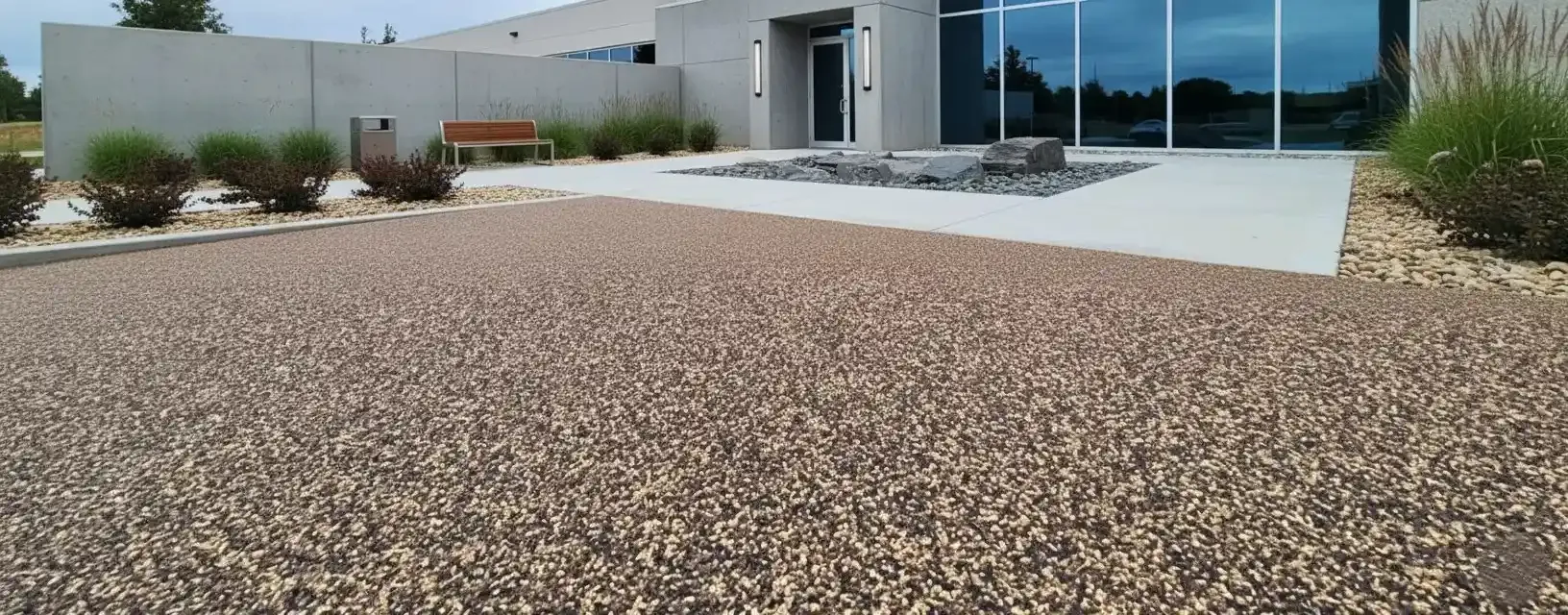
An overlay may be suitable when the existing concrete is structurally sound. Ask an installer to assess cracks, movement, contamination and drainage before recommending preparation. An overlay is not a substitute for repairing an unsuitable base.
Most residential projects are completed within 1 to 2 days, depending on the size of the area and the condition of the base. Installation time and curing time are different: follow the product guidance and the instructions from your installer before using the surface.
Before handling installation materials, read the safety policy and request the safety data sheets for the specific products you plan to use.
The general sequence an installer follows. Specifics come from the product data sheets and the site, so treat this as a guide to what to ask about, not a method statement.
The installer looks at the existing surface, cracks, movement, drainage and access, and agrees how the area will be used.
Granules, binder, thickness and preparation are confirmed for the base and the use. Colors are signed off against a physical sample.
The base is cleaned, repaired and primed as the chosen system requires. Edges, joints and level changes are set out.
Granules and binder are weighed and mixed on site, usually in a forced-action mixer, so every granule is evenly coated.
The mix is spread to the specified thickness, leveled with a lute and troweled to a consistent finish.
The surface cures before use. Curing time depends on the product and the weather, and the installer gives return-to-use and care instructions.
The same materials, installed differently for each application. For detailed planning, see the pool deck, playground, patio and pathway, driveway, sidewalk and gym flooring guides.

Laid over your existing pool deck concrete or pavers where the base is suitable, with texture that gives footing up to the water's edge.

Poured in place and cured to follow the exact contours of paths and steps, so edges and transitions sit flush without extra formwork.

Applied at a greater thickness under swings, slides and climbing equipment to give the cushioning that fall-height safety zones call for.

Bonded onto sound existing concrete or asphalt, so a worn driveway or garage floor doesn't have to be torn out first.

Applied over suitable wood or composite decking with a breathable finish, so moisture underneath can escape instead of being trapped.

Poured in long, continuous runs along cart paths and tee boxes, keeping the surface consistent from hole to hole.

Finished as a continuous surface built to handle daily washdowns and disinfecting.
More answers on the FAQ page.
An overlay may be suitable when the existing concrete is structurally sound. An installer should assess cracks, movement, contamination and drainage before recommending preparation. An overlay is not a substitute for repairing an unsuitable base.
The schedule depends on the area, preparation, specification and site conditions. Installation time and curing time are different things. Follow the product guidance and the instructions from your installer before using the surface.
No. Resin Rubber supplies the materials and connects customers with approved installers. The installer handles site preparation, application and the project schedule.
Read the safety policy and request the safety data sheets for the specific products you plan to use. They cover handling, storage and protective equipment.
Next step
Find a resin rubber installer to discuss your project, or contact Resin Rubber about materials.