Mixing EPDM granules and binder: ratio, timing and mistakes
Quick answer
The standard EPDM batch in the RR80L mixer is 36 L of granules to 4 L of binder, a 9:1 ratio by volume, mixed for 3 minutes from the moment the binder goes in. Past 4 minutes the paddles start to break the granules down, and a batch should never exceed 45 L in total. Uneven coating shows up later as weak or patchy spots.
Key takeaways
- Standard EPDM batch in the RR80L: 36 L granules to 4 L binder, 9:1 by volume, 3 minutes from when the binder goes in.
- Mixing past 4 minutes starts to break the granules down. Never exceed 45 L in a batch.
- Pre-mix binder parts A and B thoroughly before they go in the bucket.
- Keep wet or unwashed material, limestone aggregate and petroleum-based cleaners out of the mixer.
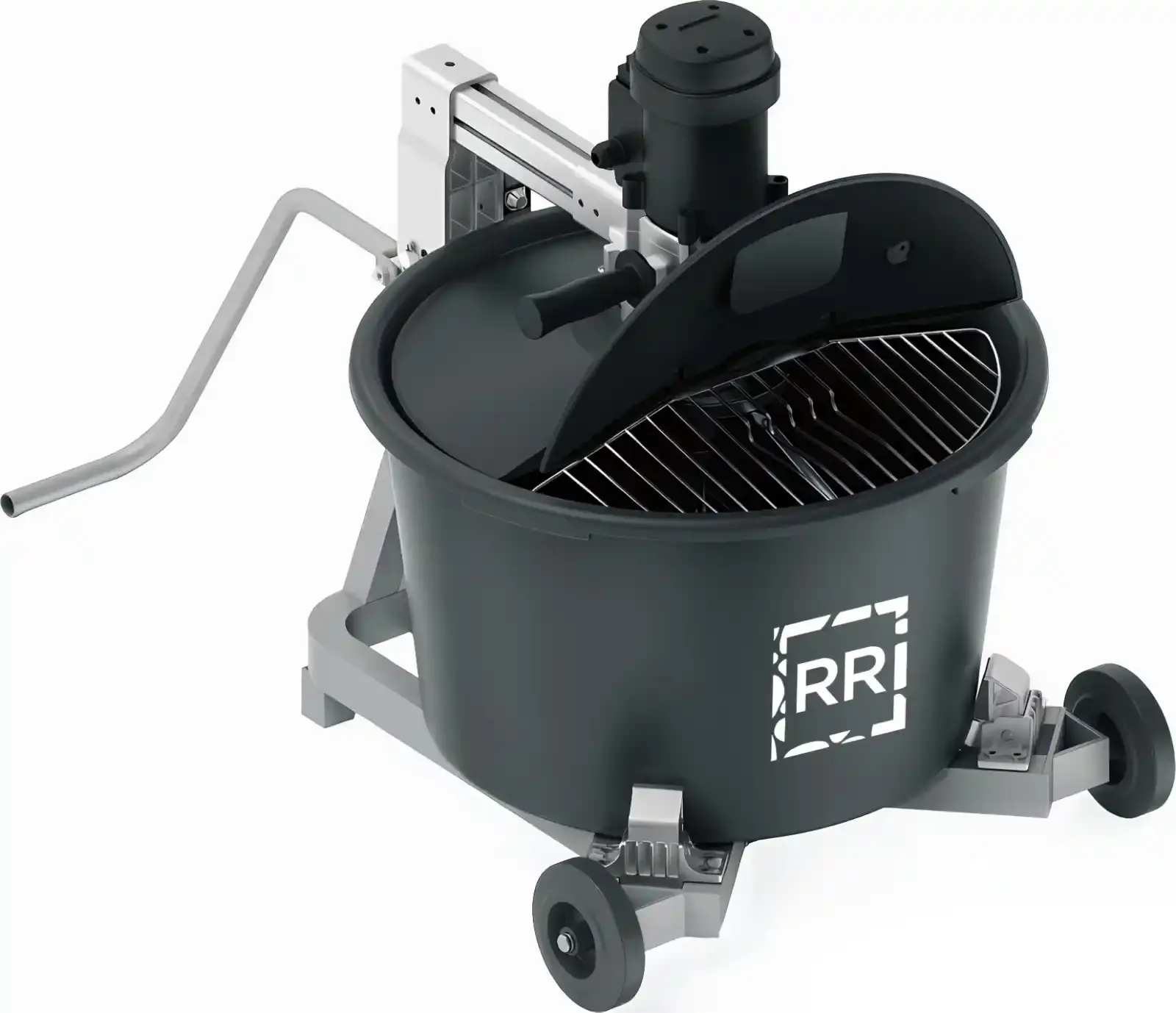
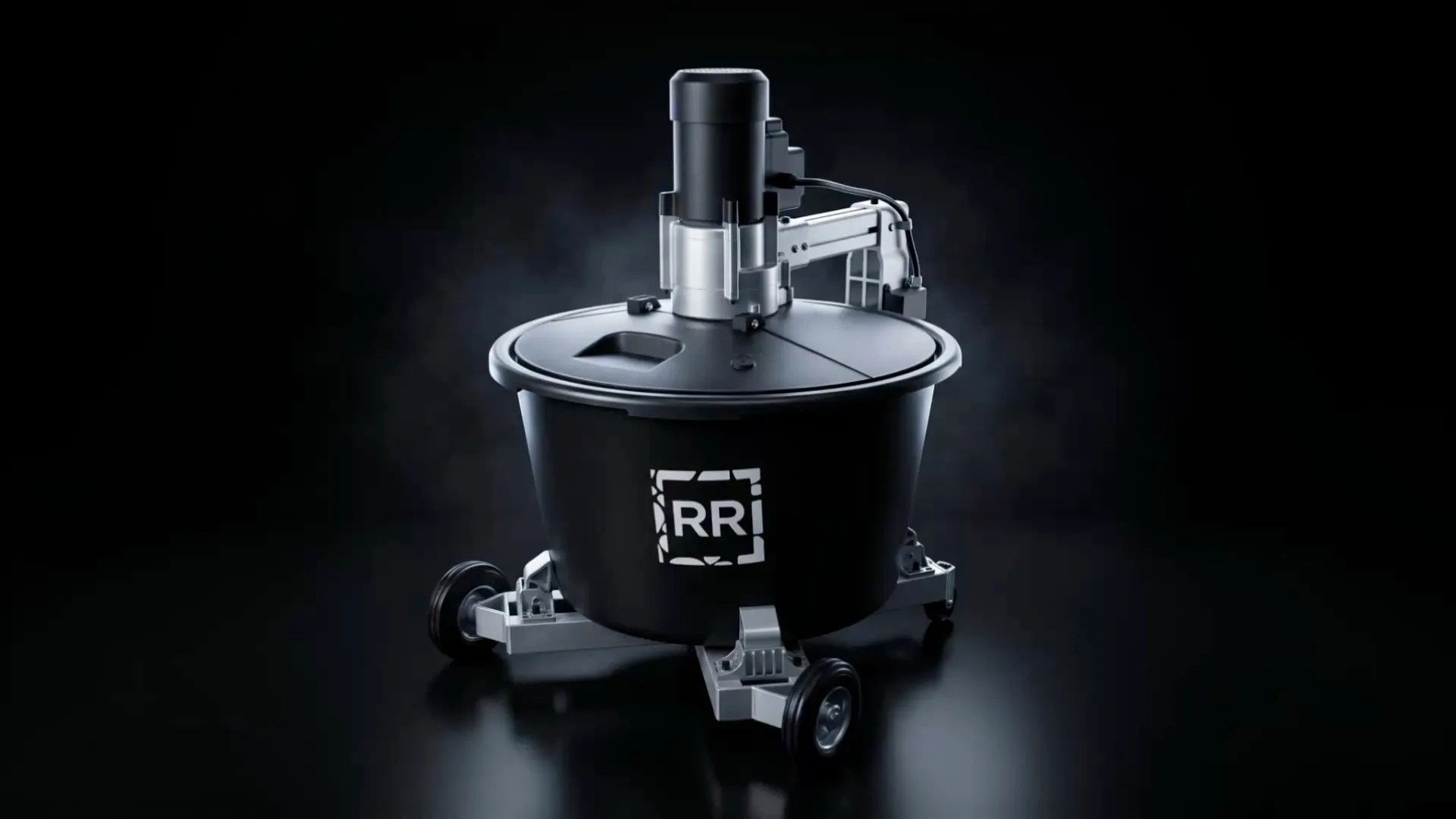
A standard EPDM batch in the RR80L forced-action mixer is 36 L of granules to 4 L of binder, which is 9:1 by volume. It is mixed for 3 minutes from the moment the binder goes in. Going past 4 minutes starts to break the granules down, and a batch should never go over 45 L in total.
Everything below follows from those numbers. They come from the RR80L mixer product page, the mixer brochure and the Contractor Edition 2026, which agree. The method assumes a Resin Rubber approved binder with parts A and B pre-mixed thoroughly. Check the current data sheet and the manual supplied with the mixer before a crew relies on them.
Why the mix matters
Mixing is the step where the binder coats every granule. A forced-action mixer pushes the granules through the binder with its paddles instead of tumbling them. That gives each batch the same even coat.
When the coat is uneven, you do not see it in the bucket. You see it weeks later as weak or patchy spots in the cured surface. So the ratio, the timing and the cleanliness of the equipment are worth getting right on every batch.
The standard batch
| Item | Value |
|---|---|
| EPDM granules | 36 L |
| Binder | 4 L |
| Ratio | 9:1 by volume |
| Mix time | 3 minutes from the moment the binder goes in |
| Too long | Past 4 minutes the paddles start to break the granules down |
| Maximum batch | Never over 45 L in total |
Source: RR80L rubber mixer product page. The RR80L has a 55 L working capacity, so a standard batch sits well within it.
Step by step
- Pre-mix the binder. Mix binder parts A and B thoroughly before they go into the bucket.
- Weigh and measure. Measure the granules and binder for the batch. Working in the same measured batch size each time keeps the finish consistent from the first pour to the last.
- Add granules, then binder. Start the clock when the binder goes in.
- Mix for 3 minutes. Stop on time. Do not let it run on to “be sure”.
- Empty and lay. Move the batch to the surface for spreading, leveling and troweling.
A spare bucket lets a crew measure the next batch while the current one mixes, then swap it in, so the mixer is not waiting between batches. See the rubber bucket set.
What goes in, and what stays out
Use the mixer with:
- EPDM granules in HIG or PRO grade
- Resin Rubber binder
- marble, quartz or granite aggregate only
Keep out:
- limestone aggregate
- wet or unwashed material
- unapproved solvents
- petroleum-based cleaners
Common mistakes
- Running the mix long. Past 4 minutes the paddles start to break down the granules.
- Overfilling. Never go over 45 L in a batch.
- Skipping the binder pre-mix. Parts A and B need to be thoroughly mixed before they go into the bucket.
- Wet or unwashed material. It does not belong in the mixer.
- Dirty tools. Cured binder on a trowel drags through the next mix and leaves marks in the finish.
- Using the wrong cleaner. Use a product made to dissolve cured resin, not an unapproved solvent or a petroleum-based cleaner. See the trowel cleaner range.
Conditions
The RR80L has a stated operating range of 30°F to 105°F. That is a limit on the machine. Binders have their own minimum application temperature and curing slows a lot in cold, damp conditions, so check temperature requirements with the materials team before scheduling a pour.
Safety
Read the safety data sheet for each binder before handling it. See the safety policy and request the SDS from the materials team.
Working time on the surface and the weather limits for laying come from the binder data sheet. Ask the materials team for it before the first pour.
Next step
Mixing ratios, working times and curing are all covered in hands-on installer training. For which binder goes in which layer, read aliphatic vs aromatic binder.
Frequently asked questions
Why use a forced-action mixer?
The paddles force the granules through the binder instead of tumbling them, so every granule is evenly coated. Uneven coating is what shows up later as weak or patchy spots in a finished surface.
How do I keep tools clean between batches?
Cured binder on a trowel drags through the next mix and leaves marks in the finish. A cleaning compound that dissolves cured resin from trowels, lutes and mixer paddles keeps each batch going on clean.
Can I use any aggregate in the mixer?
Use marble, quartz or granite aggregate only. Keep limestone aggregate, wet or unwashed material and unapproved solvents out of the mixer.