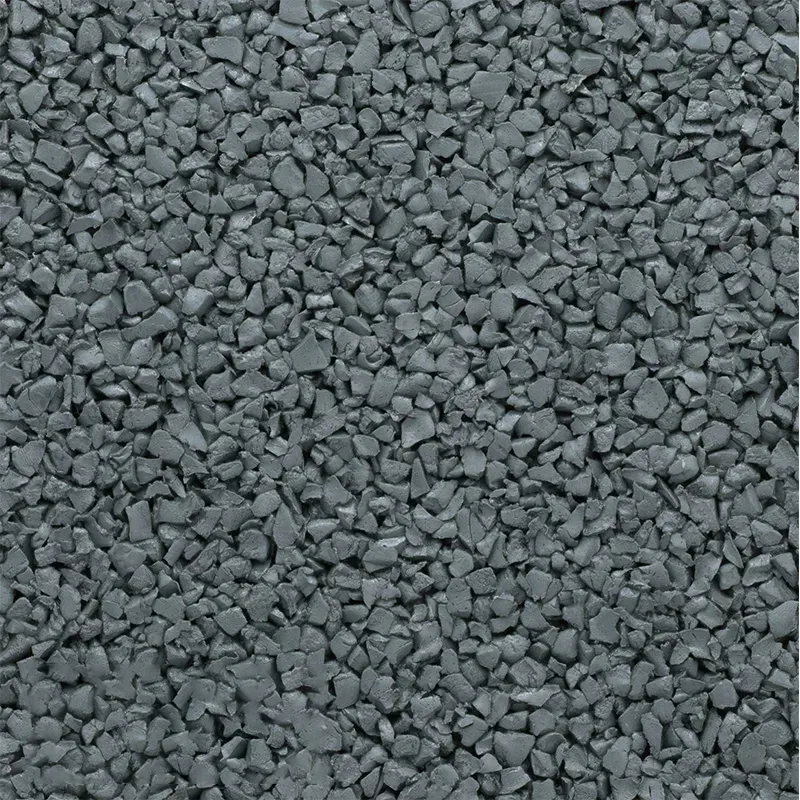
Concrete 55LB
Mixed blend, 55 lb

Materials for sidewalks, campus paths and park routes across the U.S. and Canada, including the stretches where tree roots keep lifting the concrete. We supply the materials and connect you with an approved installer.
In short
A rubber sidewalk is a walkway surfaced in poured-in-place EPDM granules and resin binder, laid over a prepared base as one continuous run rather than separate slabs. It is chosen where jointed concrete keeps lifting, cracking or creating trip hazards. Resin Rubber supplies the materials; an approved installer assesses the route and specifies the system.
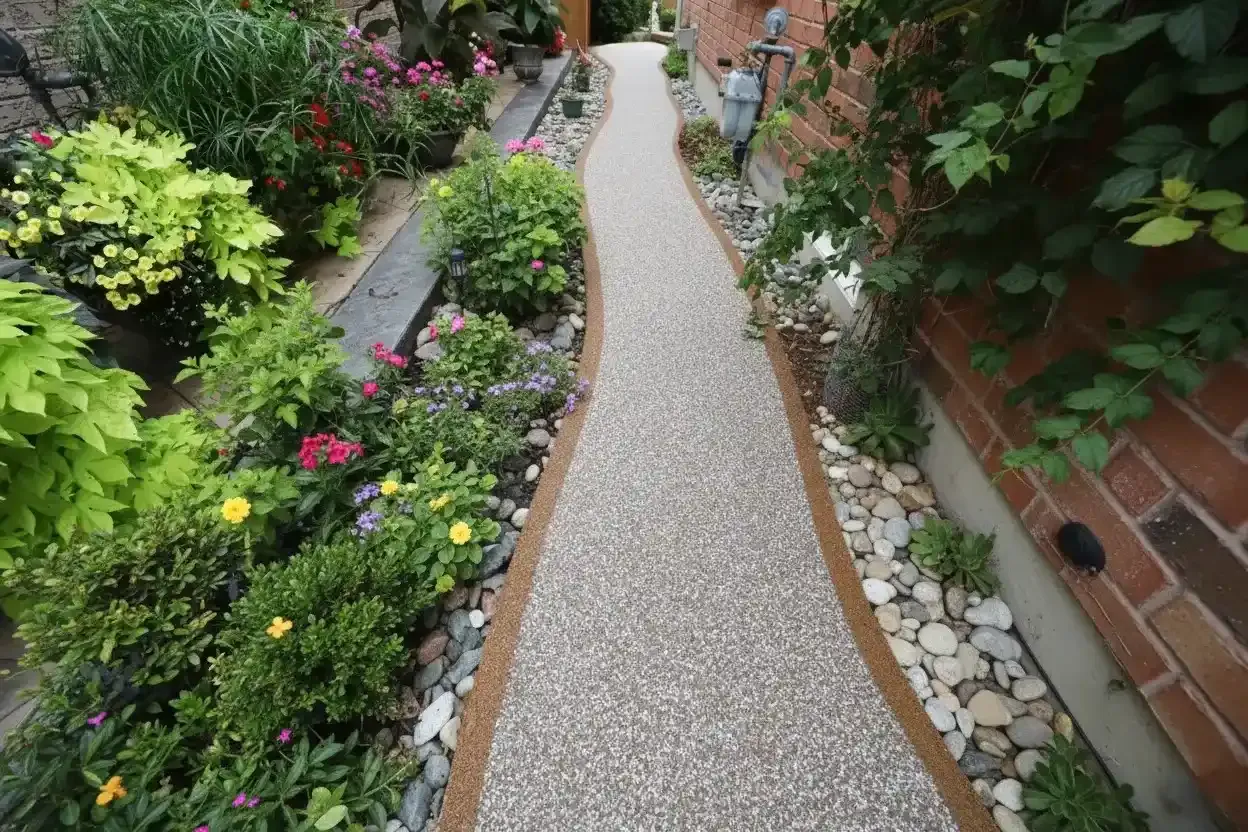
Concrete sidewalks fail in a predictable way. A mature tree grows, its roots lift a panel, the panel cracks and one edge stands proud of the next. That edge is a trip hazard, so it gets ground down, patched or replaced, and a few seasons later the same panel does the same thing. Whoever owns the path ends up paying for the same twenty feet over and over.
Poured rubber is laid as one continuous surface with some give in it. When something moves underneath, the surface tends to rise as a curve rather than break into a step. That is the case for using it on the awkward stretches: not that it stops roots growing, but that movement shows up as a gentle bump instead of a lip. Roots still need dealing with properly, with an arborist involved where the tree matters.
Settle these with your installer first:
Preparation, sequence and curing are covered in the installation guide.
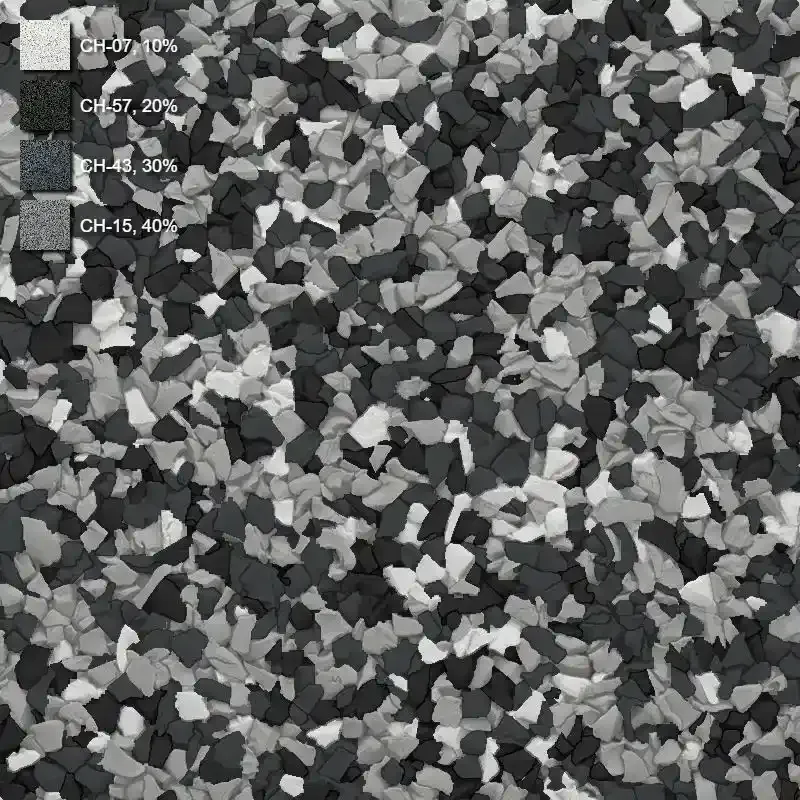
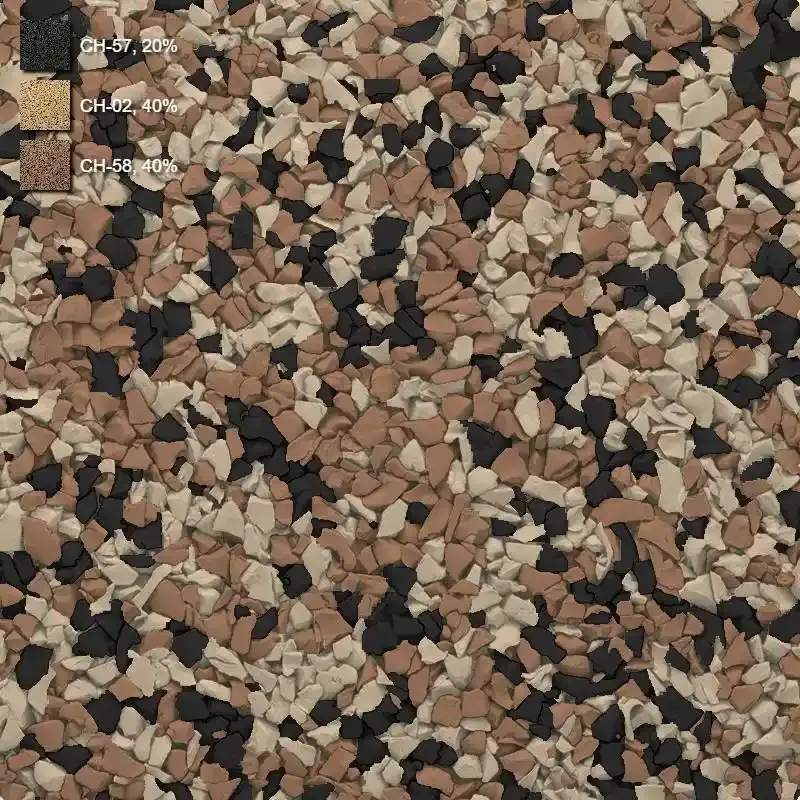
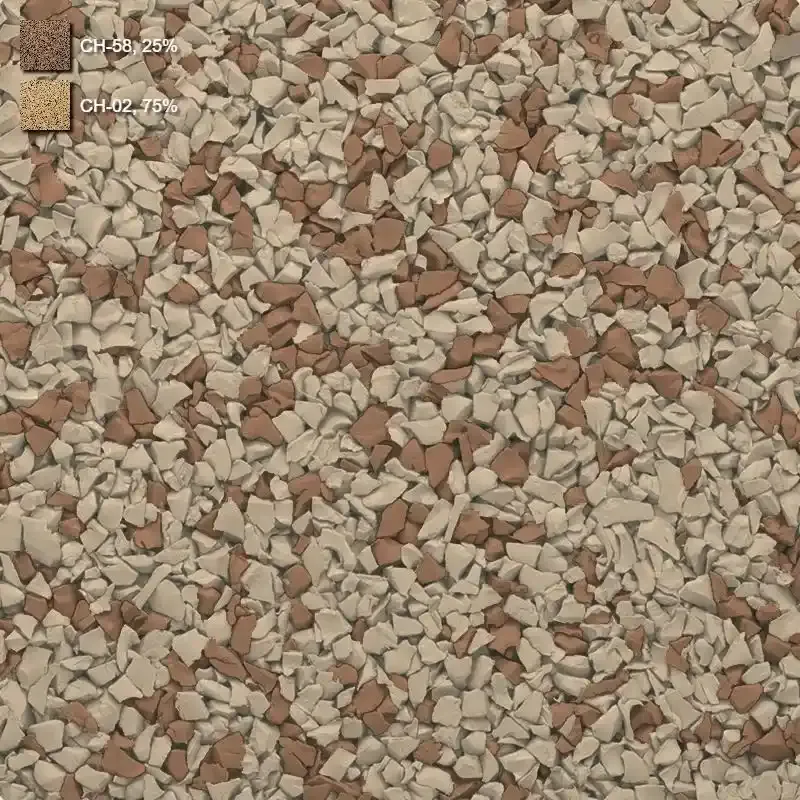
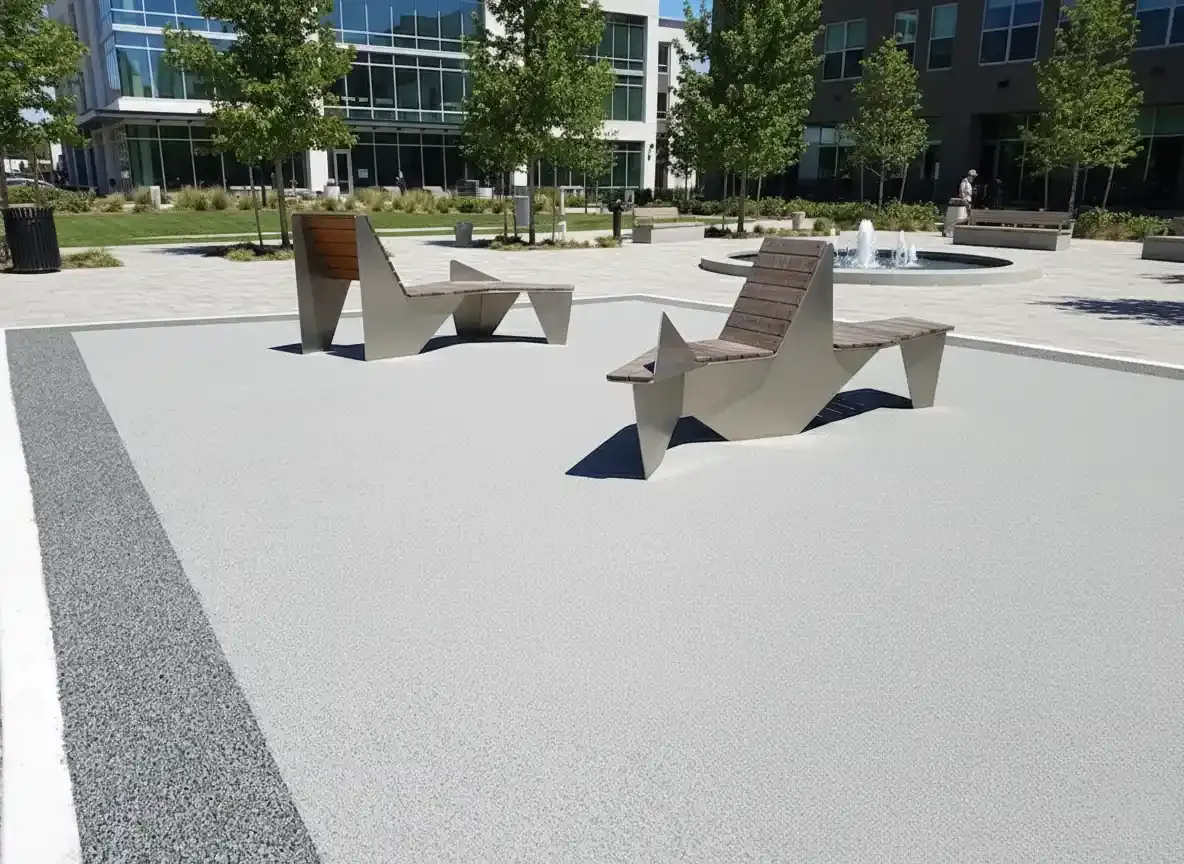
Public walkways usually want to look like part of the landscape rather than a feature. Grey and stone blends such as Concrete, Ash, Light Grey and Frost sit quietly against paving; earth blends like Dakota, Sahara and Mesa suit park routes and planting. Lighter shades stay cooler in direct sun; darker ones hide grit and staining for longer between cleans.
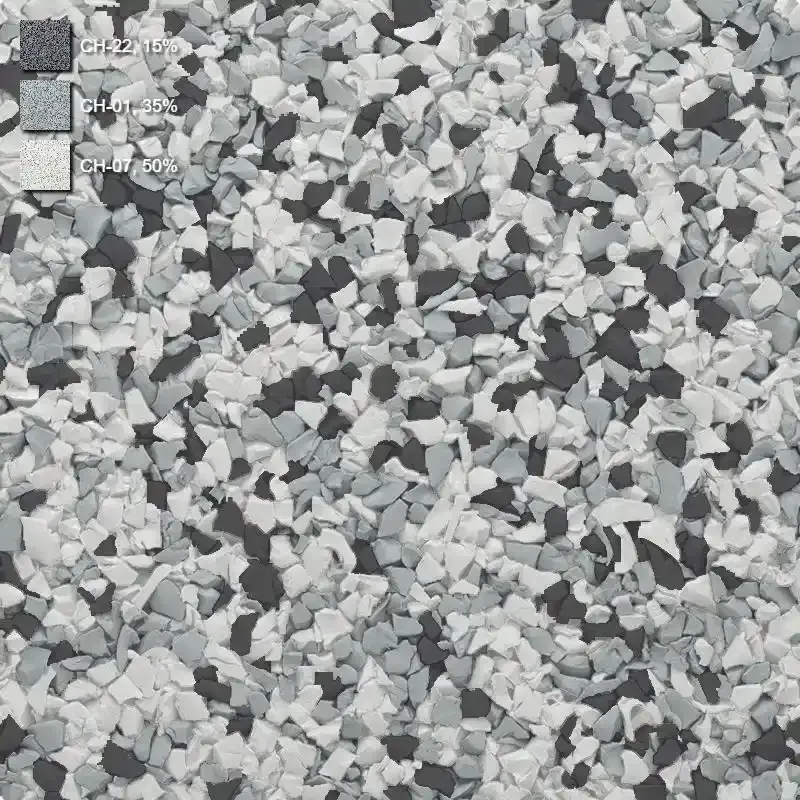
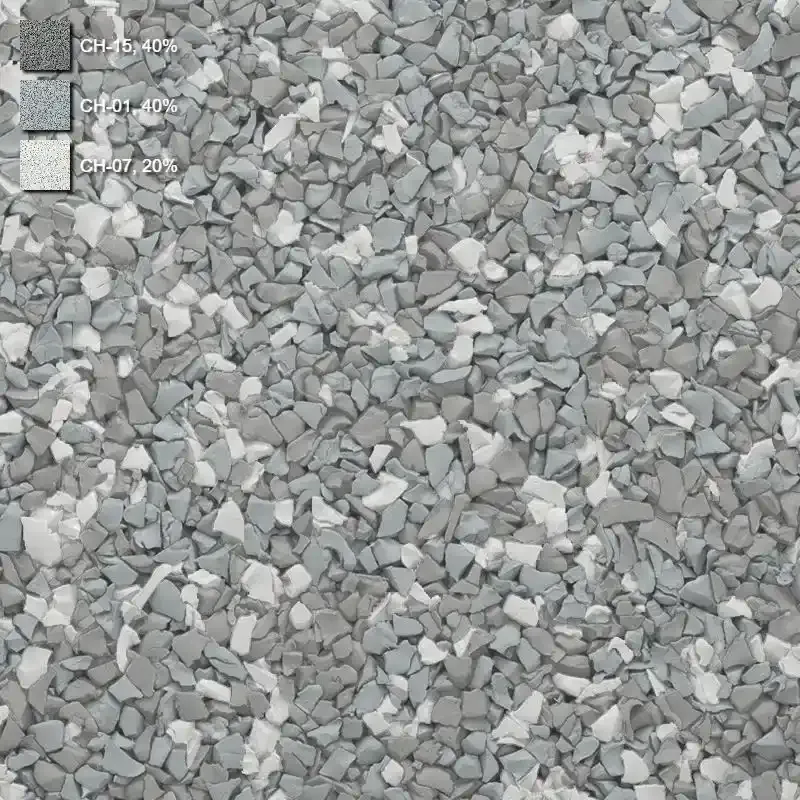
Solid colors give one even shade; mixed blends combine several to a published recipe, with the percentages on the colors page. Request a physical sample and look at it on site against the existing paving before the order is confirmed.
Quantities depend on the length, width and thickness in your specification. Send the route measurements and photos of the failed sections to the materials team and we will work out what the job needs.
Stone and earth blends sit quietly beside existing paving and planting.

More answers on the FAQ page.
It is a walkway surfaced in poured-in-place rubber: EPDM granules mixed with a resin binder and troweled over a prepared base, so the finished walkway is continuous rather than a run of separate slabs. It is used for sidewalks, campus paths, park routes and the stretches around mature trees where concrete keeps lifting.
A poured surface is laid in one piece and has some give, so a root heaving underneath tends to lift it as a curve rather than break it into a step. That is the usual reason a parks department or a campus looks at it. It is not a way of stopping roots growing: an arborist and your installer still need to agree how the roots are dealt with, and a surface over an untreated root problem will move again.
A continuous surface with no lips between panels is easier to roll a wheelchair or a stroller over than jointed paving. Whether a particular walkway meets the accessibility rules that apply to your site depends on its width, gradient, cross-fall, surface firmness and the transitions at each end. Have your installer confirm the specification against the requirements for the project.
It is laid over a prepared base, usually existing concrete, asphalt or a compacted aggregate base, which has to be sound, stable and draining. An installer assesses what is there now before anything is specified. Where a panel has already failed, the repair to the base comes first.
A poured rubber surface is porous, so water passes through it rather than sitting on top, provided the base underneath takes the water away. That is often why it is chosen for paths beside planting or where run-off matters. Drainage still has to be designed for the site.
No. We supply the granules, binders and tools to contractors and dealers. Tell us where the project is and we will check whether an approved installer covers your area. Municipalities and campuses usually go through a contractor; contractors can buy from us directly and ask about installer training.
Next step
Request an approved installer and share the location, the length of the run and what keeps lifting it. Contractors and municipalities sourcing materials can contact the materials team directly.