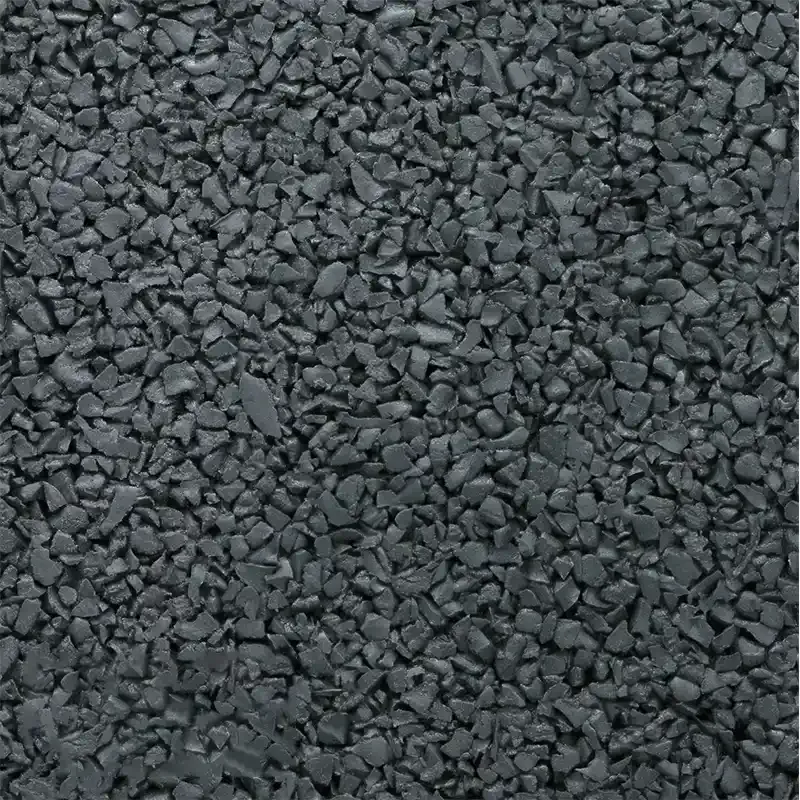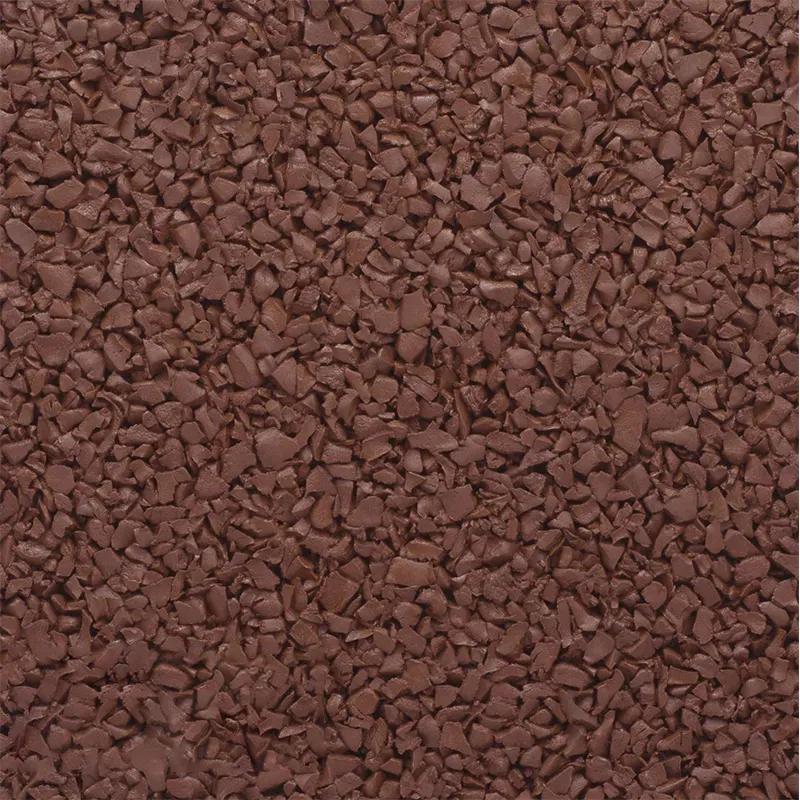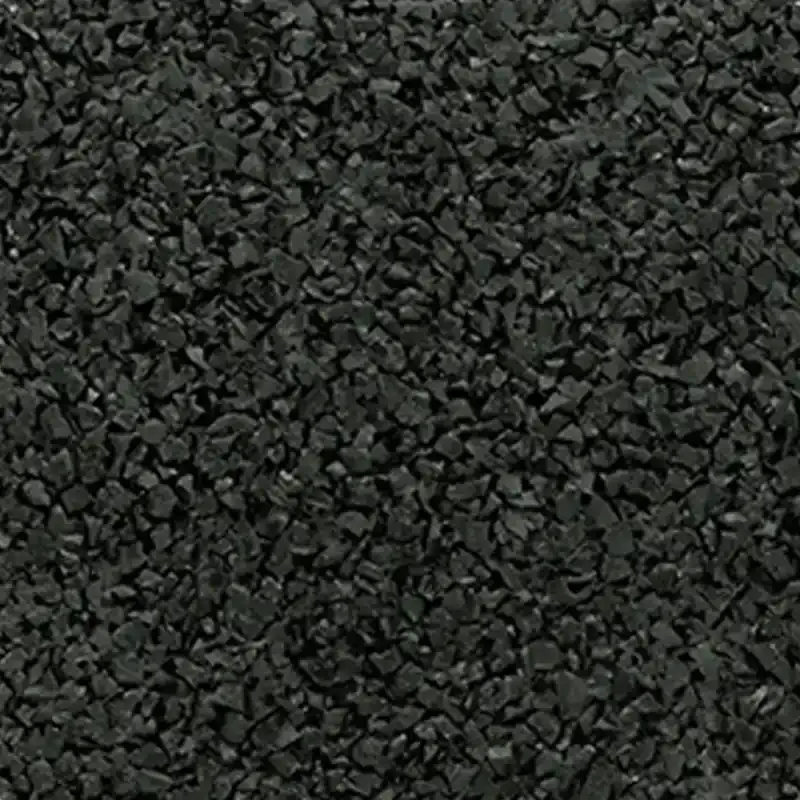
Black 55LB
Solid color, 55 lb

Materials for driveways, forecourts and parking bays across the U.S. and Canada. We supply the granules, binders and tools, and connect you with an approved installer who assesses the base and specifies the system.
In short
A poured rubber driveway is a continuous surface of rubber granules and resin binder laid over a prepared base, usually existing concrete or asphalt. Because vehicles load a surface far harder than feet do, the base, the system and the thickness are specified by an installer for the traffic the driveway actually takes.
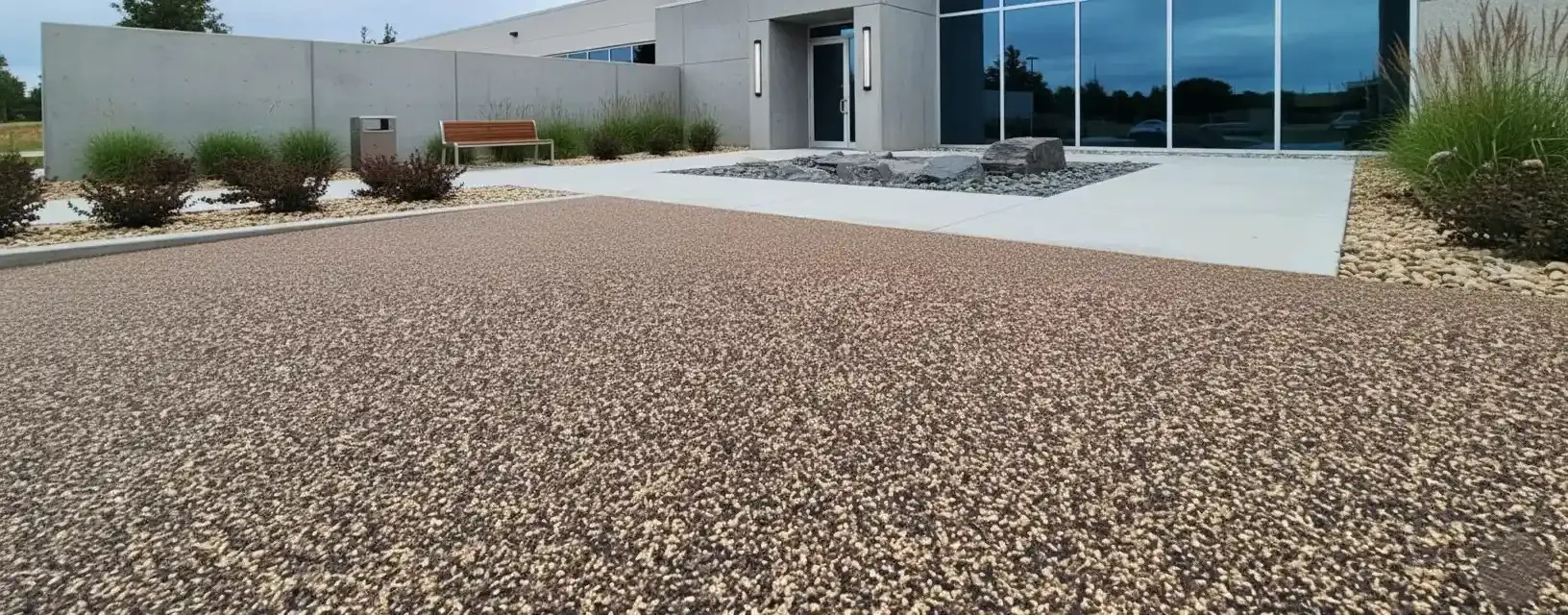
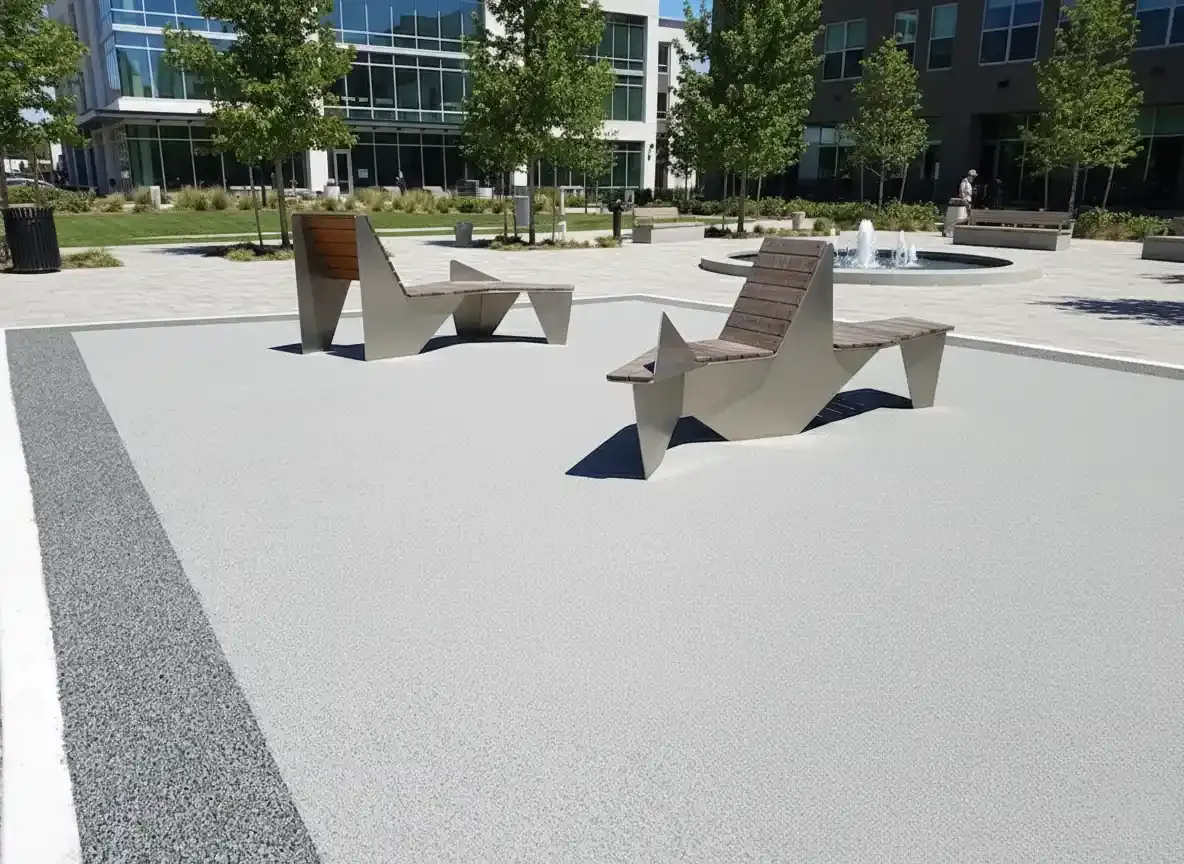
Everything that makes poured rubber good on a patio still applies on a driveway: it is laid in one continuous piece, it drains, it follows curves, and a damaged patch can be cut out and re-poured. What changes is the load. A family car parked in the same spot, a van turning on the spot, a trailer leg or a jack all press far harder than anyone walking on it.
So the questions that matter are about the build-up, not the color: what the base is, how sound it is, what system goes over it and at what thickness. That is a decision for the installer who has stood on the driveway, not one to settle from a product page. Ask them to confirm in writing that the system they are quoting is specified for vehicles, and ask for the technical data sheets for the binder they intend to use.
Settle these with your installer first:
Preparation, sequence and curing are covered in the installation guide.
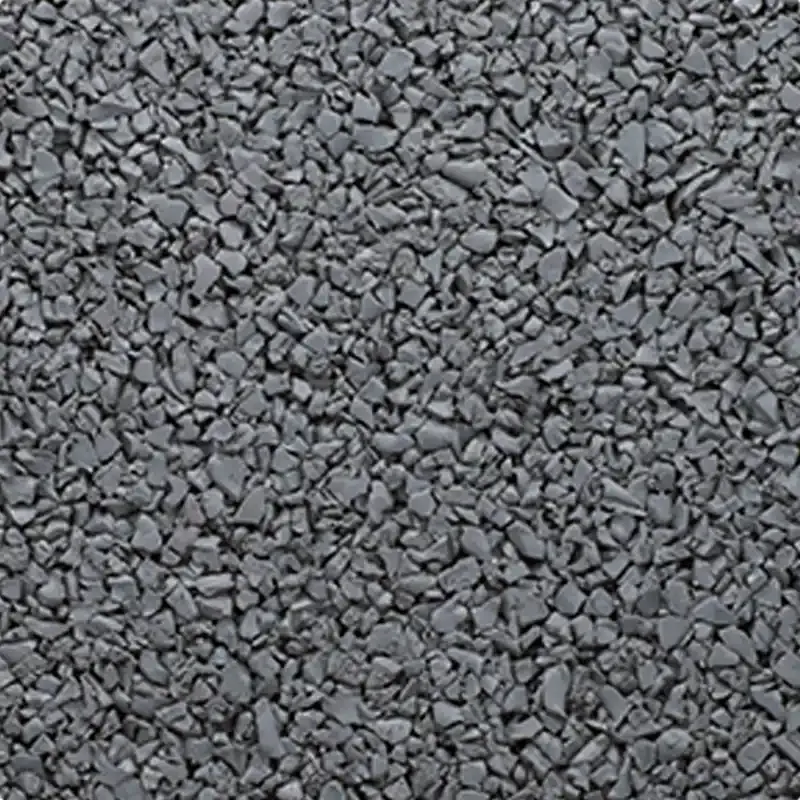
A driveway collects tire marks, dust, leaf stains and drips. Darker colors and speckled blends carry that better than pale, even shades, which is why Black, Dark Grey, Concrete and Ash are the usual picks. Earth blends such as Dakota and Sahara suit gravel-style landscaping and hide dust well. If you want something lighter, plan on cleaning it more often.
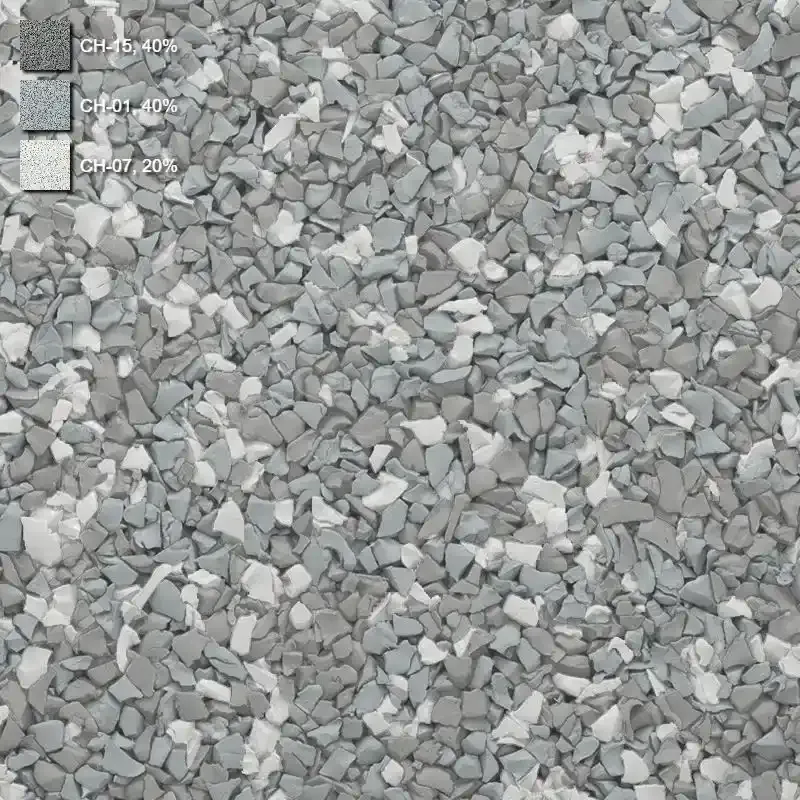
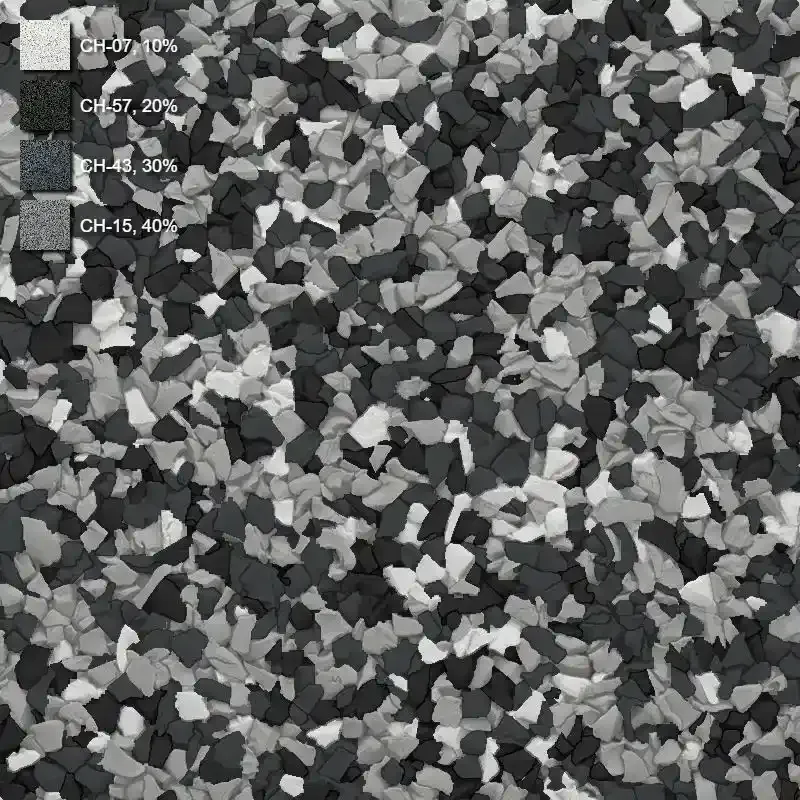
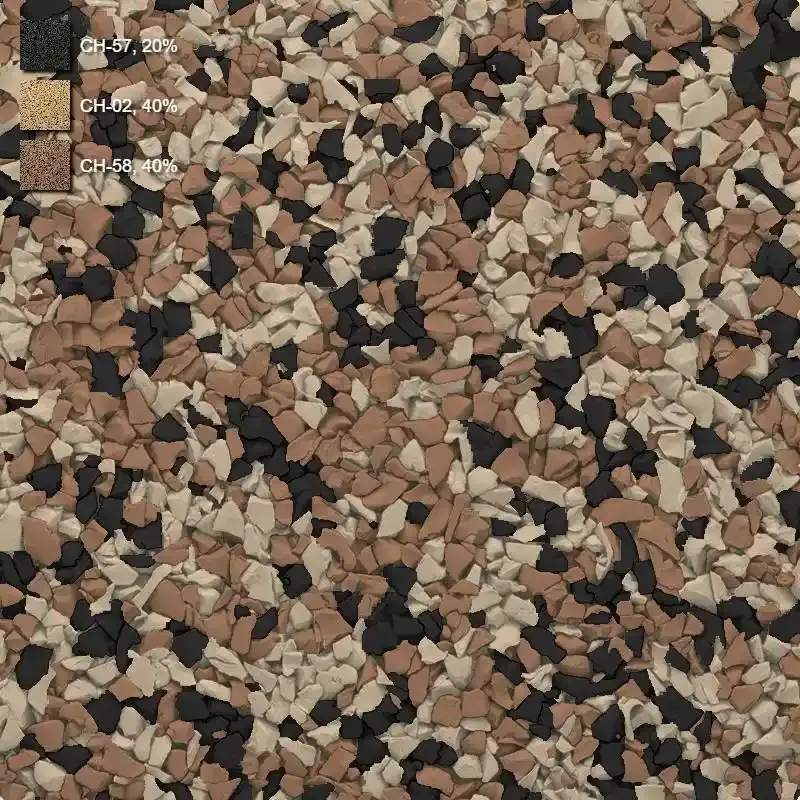
Solid colors give one even shade; mixed blends combine several to a published recipe, with the percentages on the colors page. Try combinations in the rubber visualizer, then request a physical sample and look at it against the house and the paving before ordering.
Quantities depend on the area and the thickness your specification calls for. Send the driveway measurements and photos of the existing surface to the materials team and we will work out what the job needs.
Darks and speckled blends keep their look between cleans. Pale, even shades show every mark.
More answers on the FAQ page.
Driveways are a heavier duty than a patio or a path, so the system, the thickness and the base all have to be specified for vehicles rather than for feet. Whether a particular driveway suits resin rubber depends on the existing base, the loads, the gradient and the turning. Have an installer assess the driveway and confirm a suitable system before any materials are ordered.
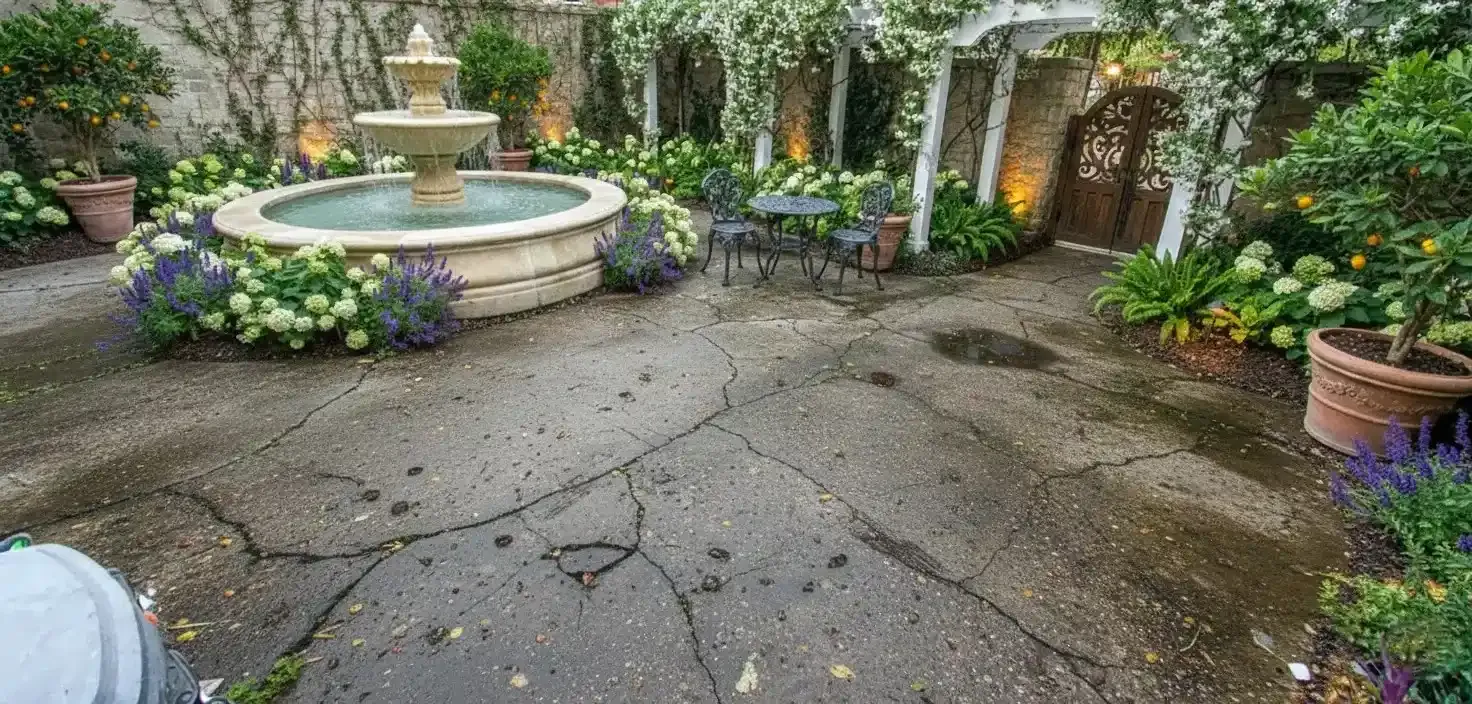
Often that is exactly how it is done, provided the existing slab is sound, stable and drains. Cracking, movement, settlement or a failing sub-base have to be understood and dealt with first. An overlay hides an unsound base for a while; it does not repair one.
Turning wheels, especially power steering at a standstill, put the most stress on any surface. So do jacks, trailer legs, skips and stands, which concentrate weight on a small point. Ask your installer how the specified system handles point loads and turning, and what protection is worth putting under a caravan or trailer leg.
Darker colors and speckled blends hide tire marks, dust and leaf staining better than pale ones. Black, Dark Grey, Concrete and Ash are common choices; earth blends like Dakota suit gravel-style landscaping. Compare a physical sample against the house, the paving and the kerb before you decide.
No. We supply the granules, binders and tools to contractors and dealers. Tell us where the project is and we will check whether an approved installer covers your area. Contractors can buy directly and ask about installer training.
Sweeping or blowing off grit and leaves, rinsing, and keeping drainage clear. Deal with oil and fuel spills promptly and ask your installer which cleaners are safe for the system. Damage is cut out and re-poured in place rather than replaced wholesale.
Next step
Request an approved installer and share the location, the size of the driveway, what it is made of now and what parks on it. Contractors sourcing materials can contact the materials team directly.