
Products
Resources
Practical reading on EPDM rubber granules, binders, colors and hiring an installer, written by the Resin Rubber materials team.
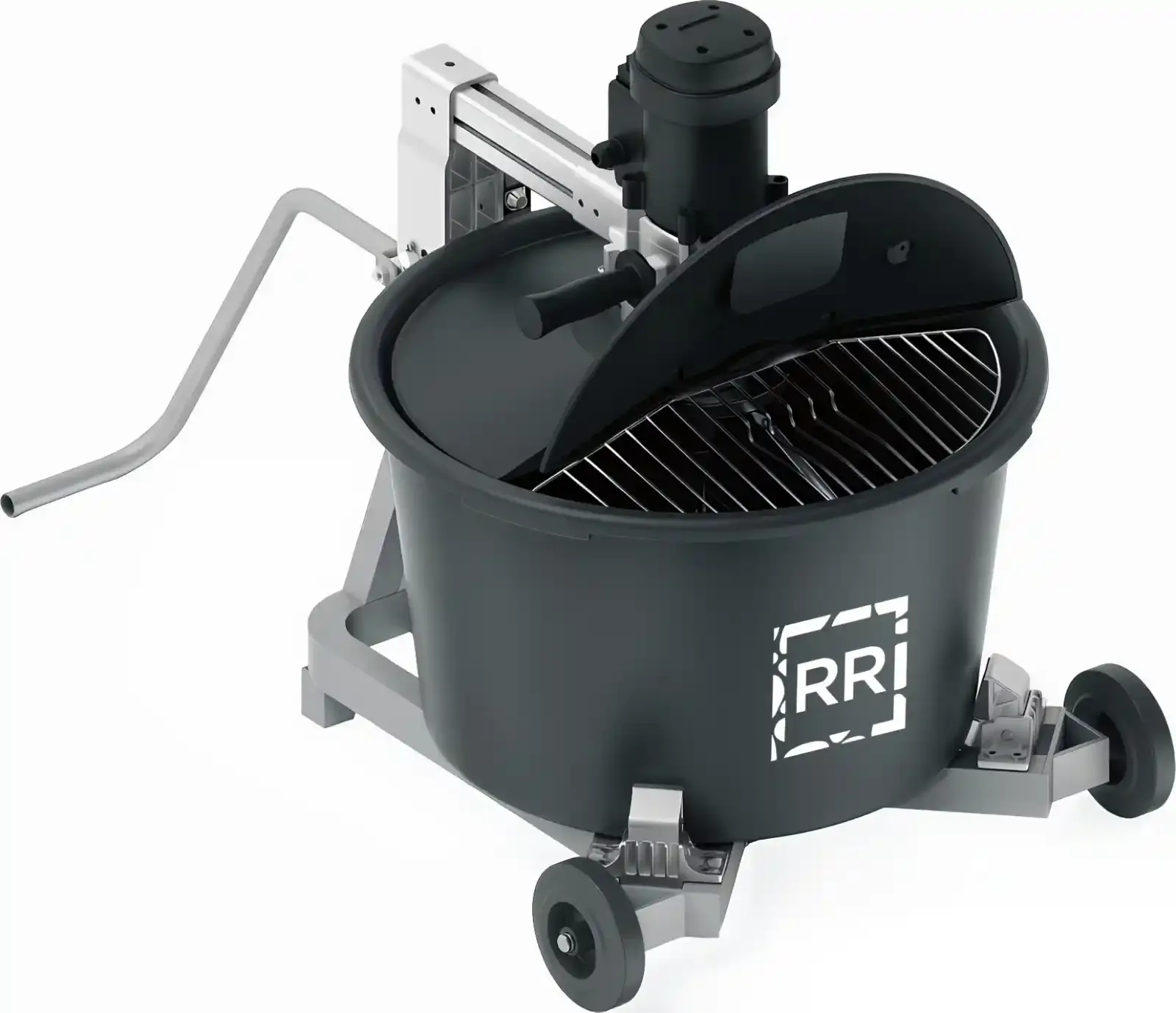
A contractor adding poured rubber needs five things: EPDM granules and binders, a forced-action mixer, spare buckets so the mixer is never waiting, trowel cleaner to keep tools clean, and training in mix ratios, curing and finishing. Resin Rubber sells the materials and equipment directly to contractors and does not install.
Read the guide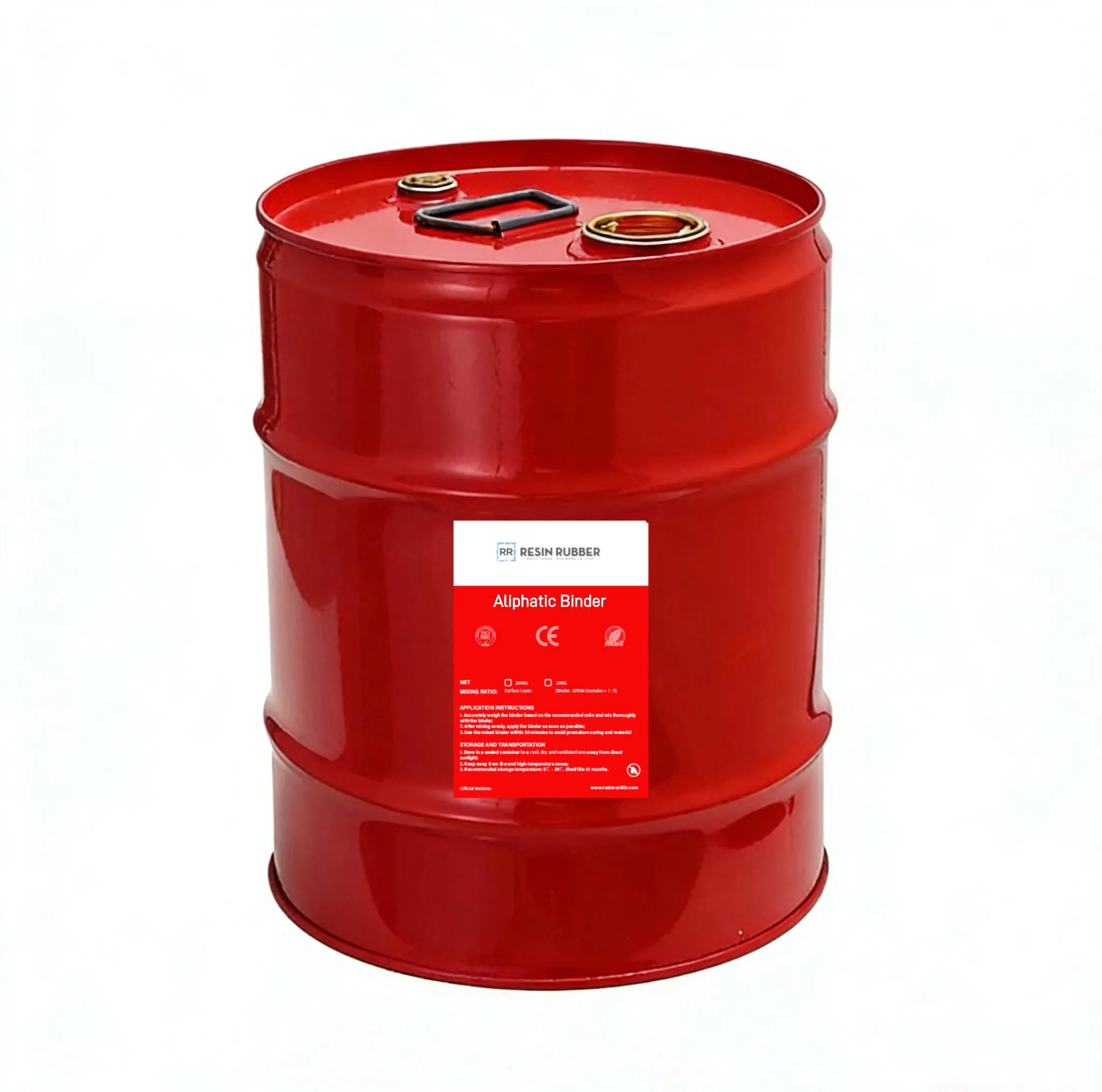
Aliphatic binder stays color-true in sun. Aromatic costs less but yellows. How to choose between them for each layer of a poured rubber surface.

Vehicles load a surface far harder than feet. What decides whether a rubber driveway suits you: base, system, thickness, turning, point loads and drainage.
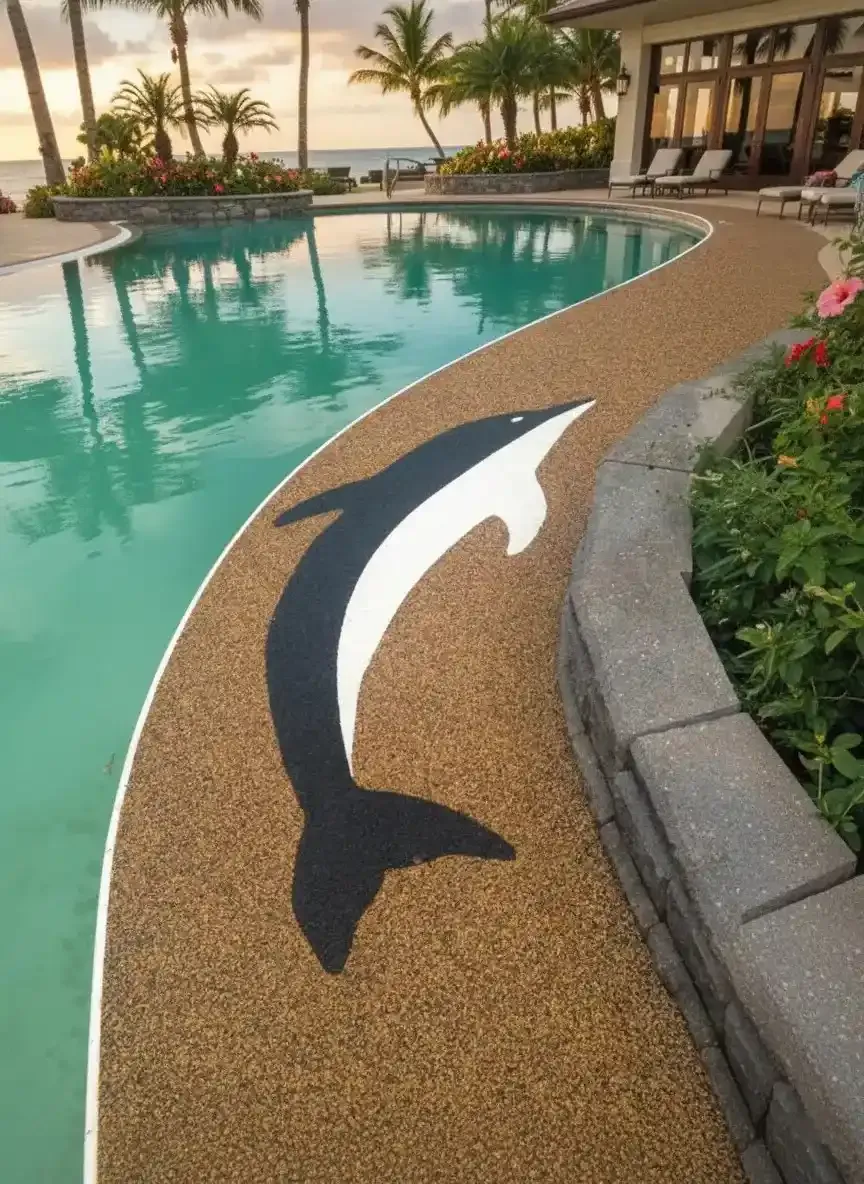
Lighter colors generally stay cooler underfoot in direct sun. How to compare pool deck colors on site, from pale blends to pool-matched blues.
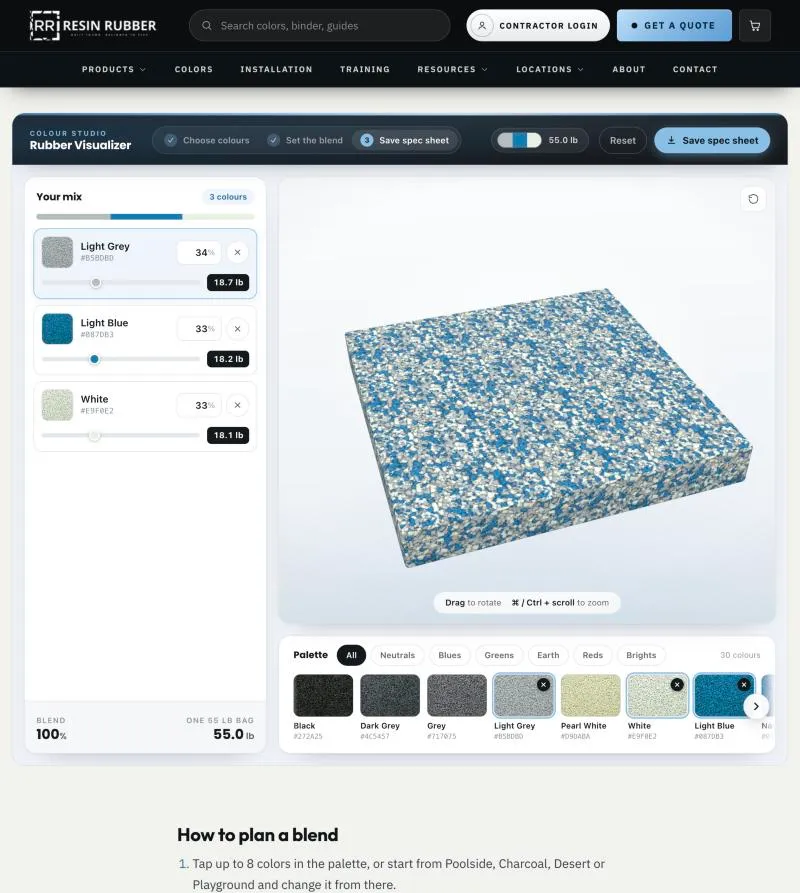
Pick up to 8 EPDM colors, set the shares, read the pound weights for a 55 lb batch and save a spec sheet. Then check a physical sample before you order.
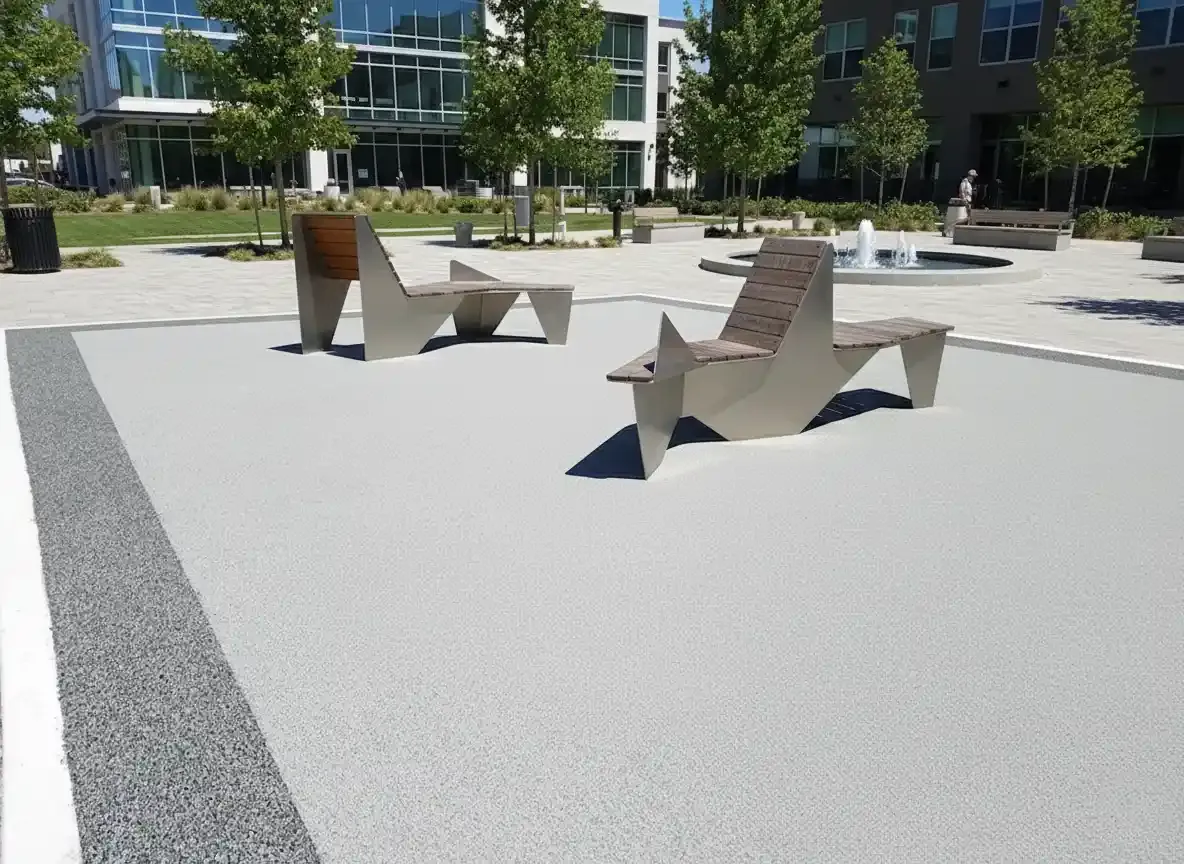
Resin Rubber does not install, but it connects you with approved installers. What the request form asks and what to prepare so the first reply is useful.
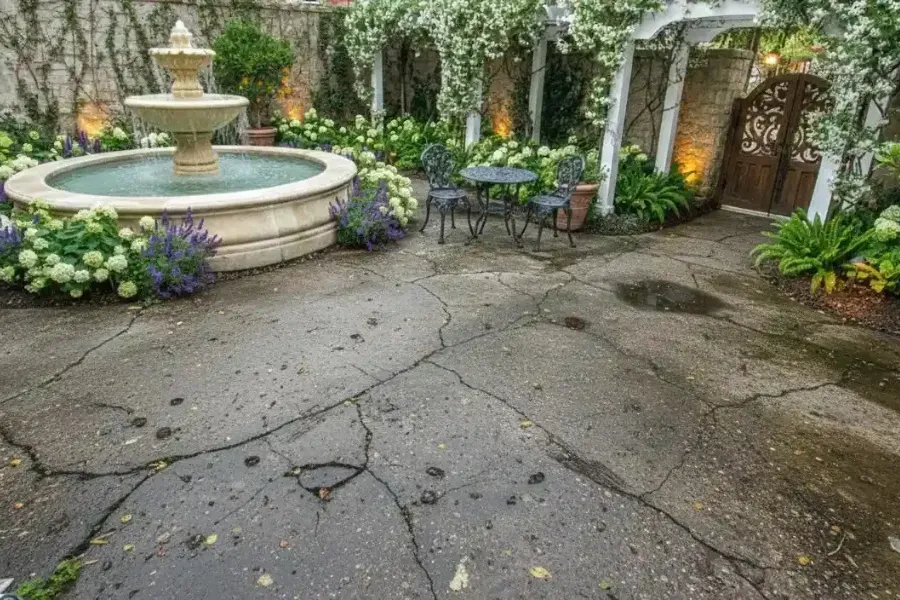
Resin rubber can often go over sound concrete, but not over an unsuitable base. What an installer checks first: cracks, movement, drainage and contamination.

How a standard EPDM batch is mixed in a forced-action mixer: 9:1 by volume, 3 minutes from binder in, and the mistakes that cause weak or patchy surfaces.
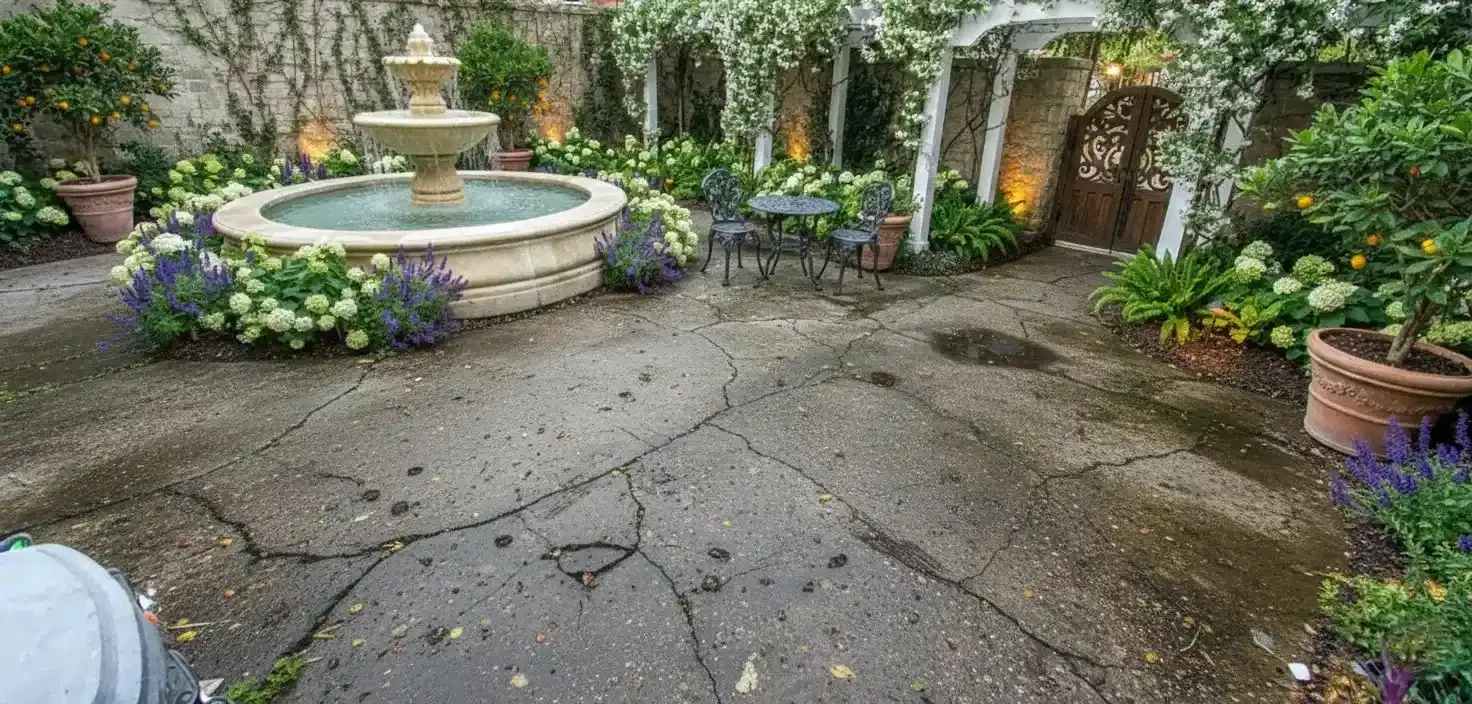
Damaged patches can be cut out and re-poured in place. How to order, record and sample the blend so a repair or extension matches the original.
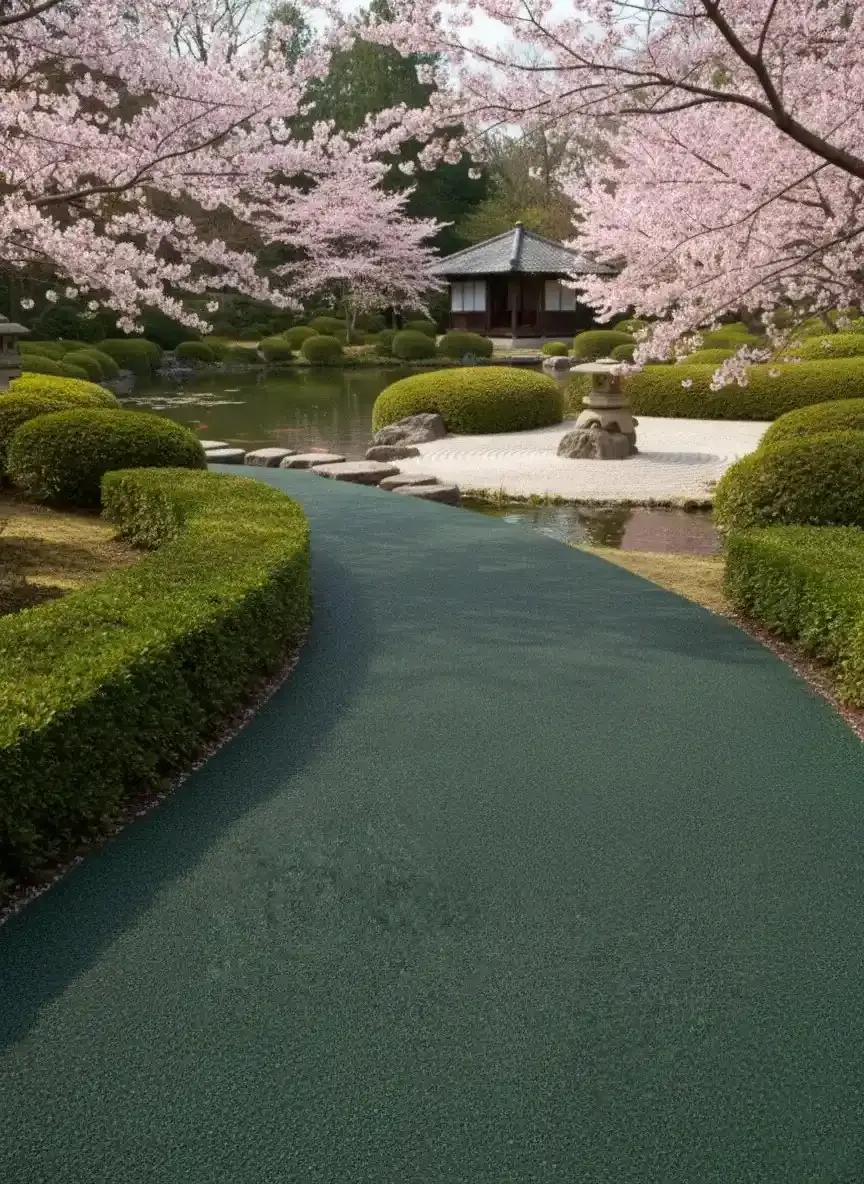
Poured rubber is laid as one continuous surface with some give, so a root lifting it shows as a bump, not a trip-hazard step. What to settle first.
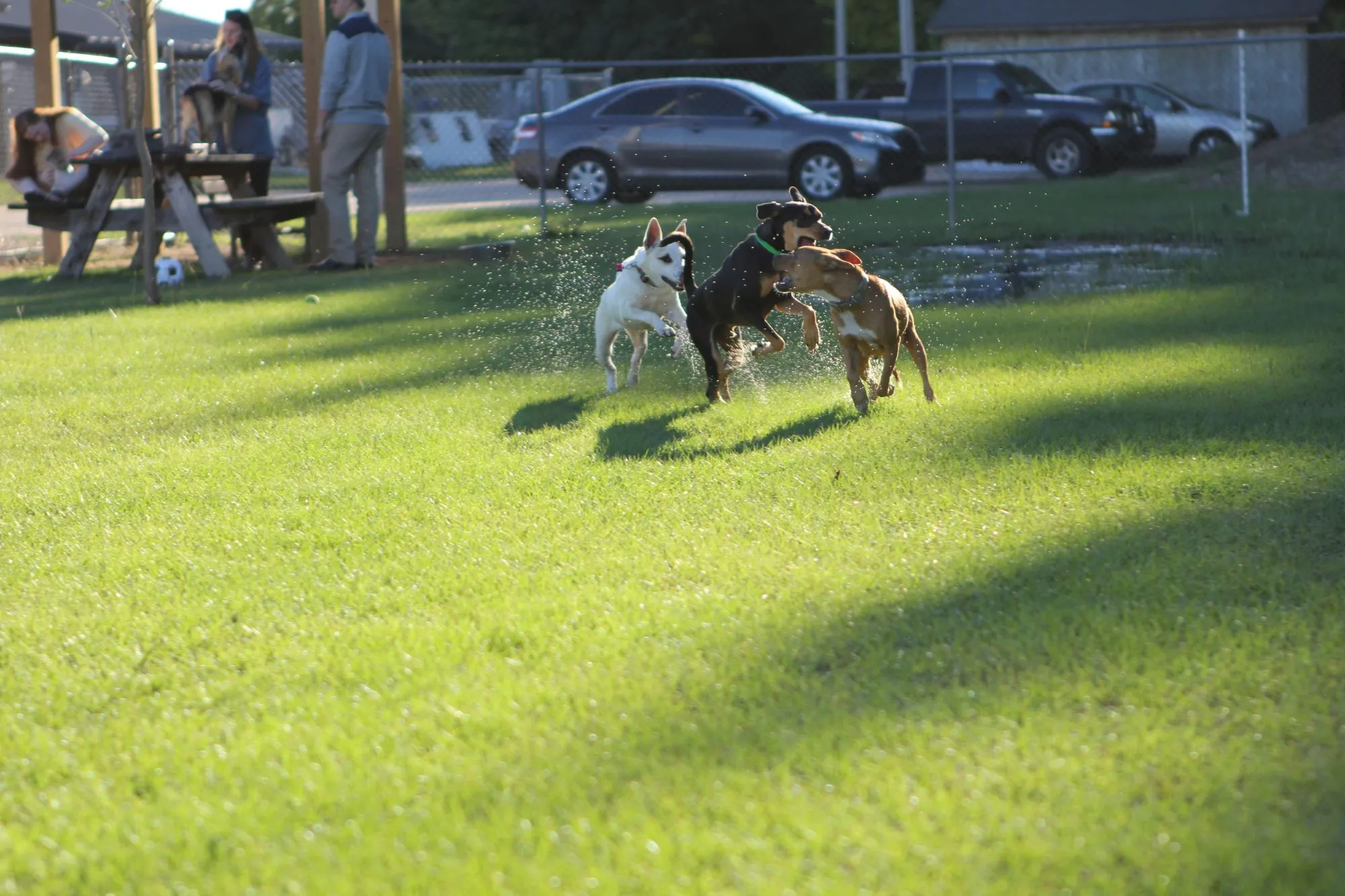
Poured rubber is cushioned and can be washed down, which is why it appears in dog parks and kennels. What to tell your installer about cleaning and use.
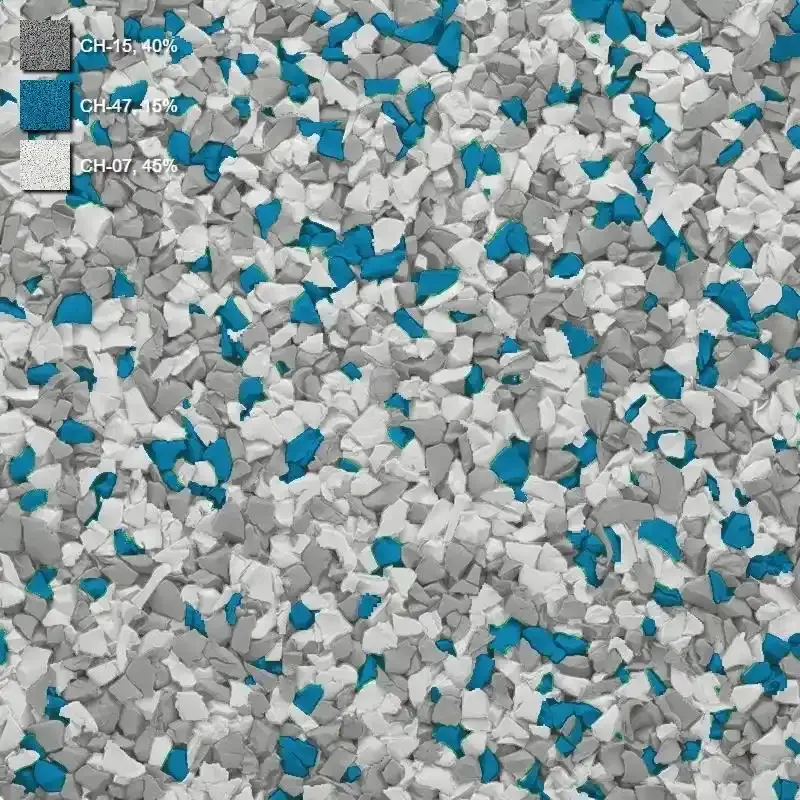
Solid colors give a flat, even finish. Mixed blends give a speckled, stone-like look. How to choose, and why you should check a physical sample first.
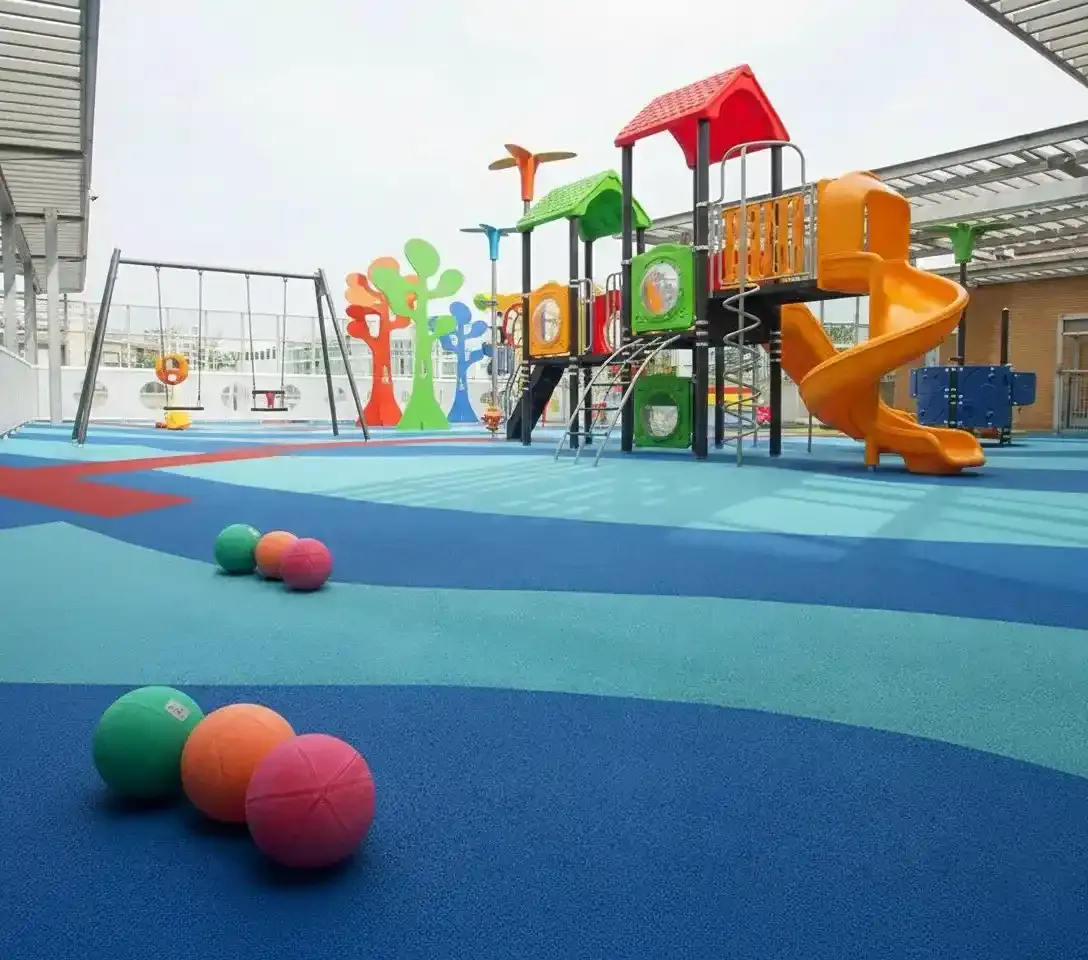
Four ways a contractor can start with Resin Rubber materials: a trade account, installer training, a starter kit or a dealer program. What each includes.
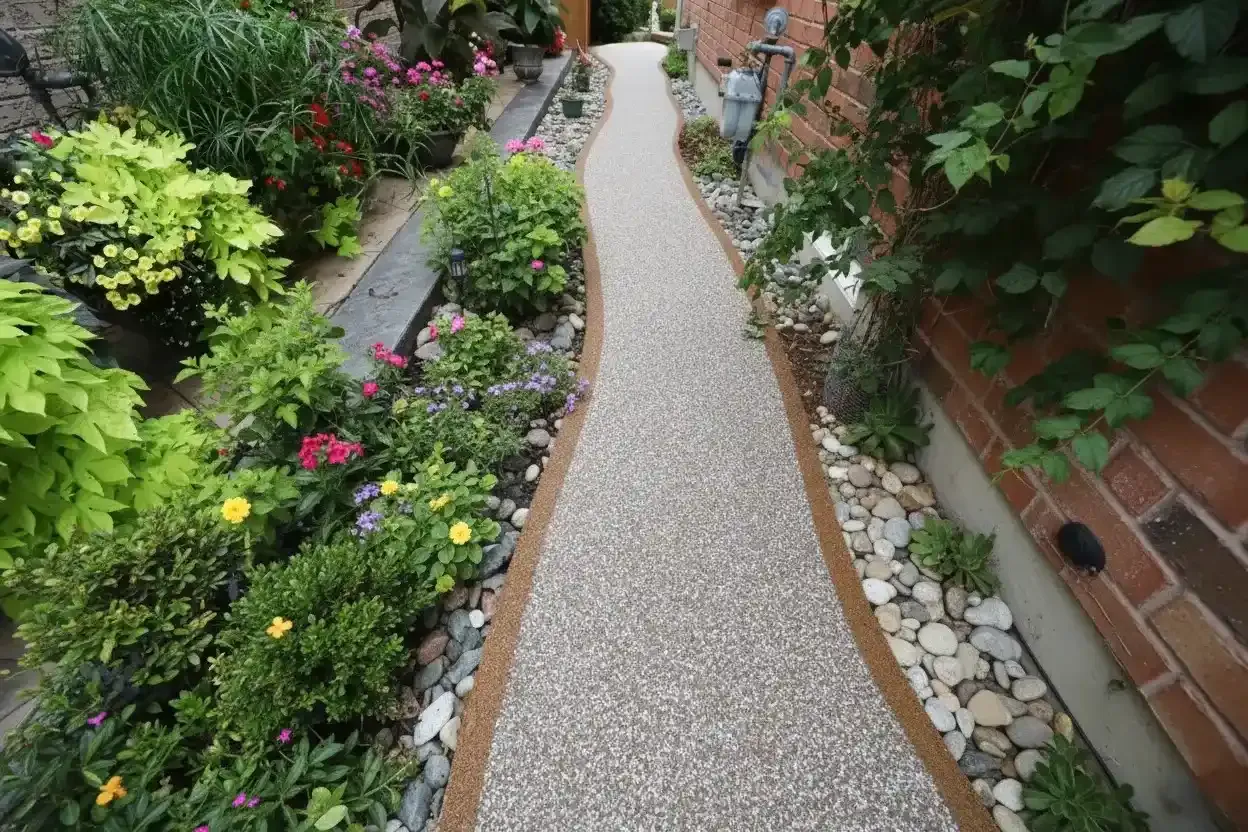
Area, the condition of the old surface, preparation, thickness and color all move the price of a poured rubber surface. How to compare quotes fairly.
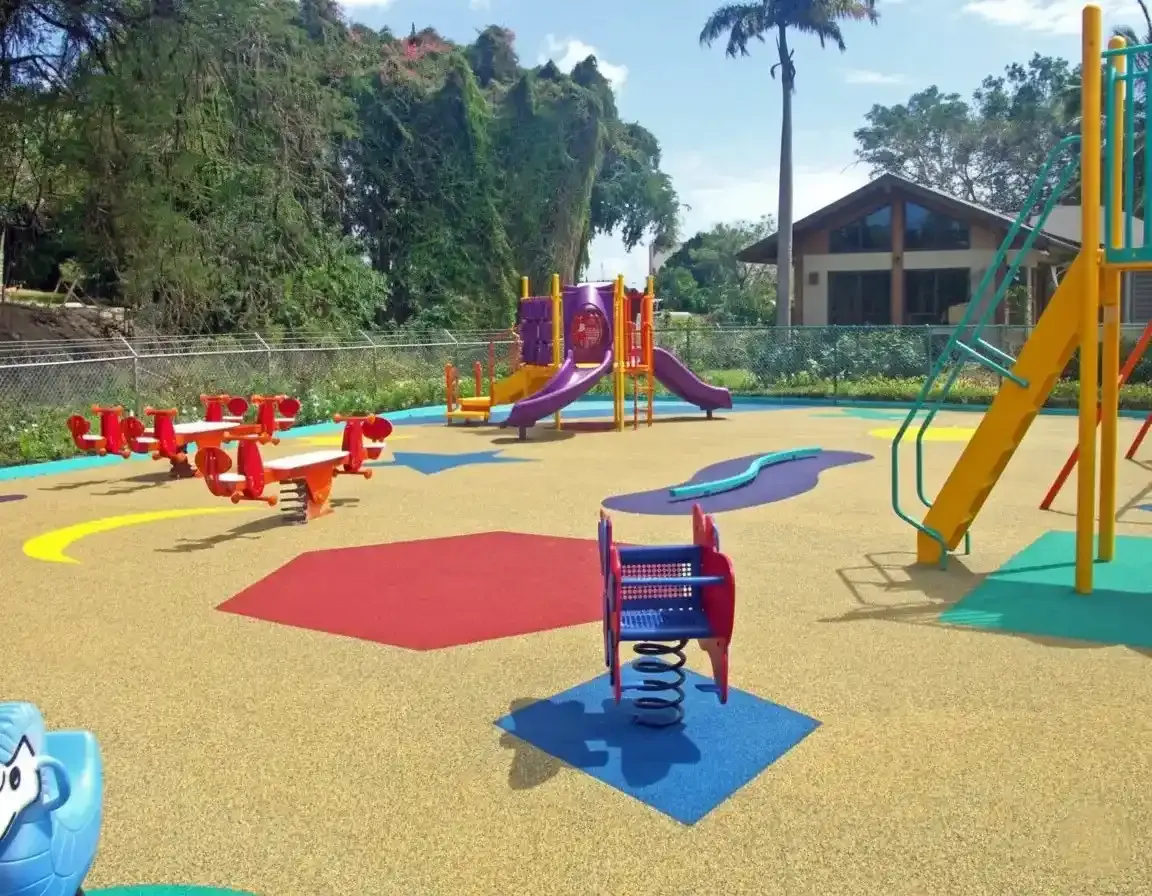
What each Resin Rubber installer training level teaches, who it suits, and what training does not do. For contractors adding poured rubber to their quotes.
Ten key questions to ask before hiring a rubber surfacing installer, covering EPDM granules, base prep, warranty terms, timeline, and pricing.
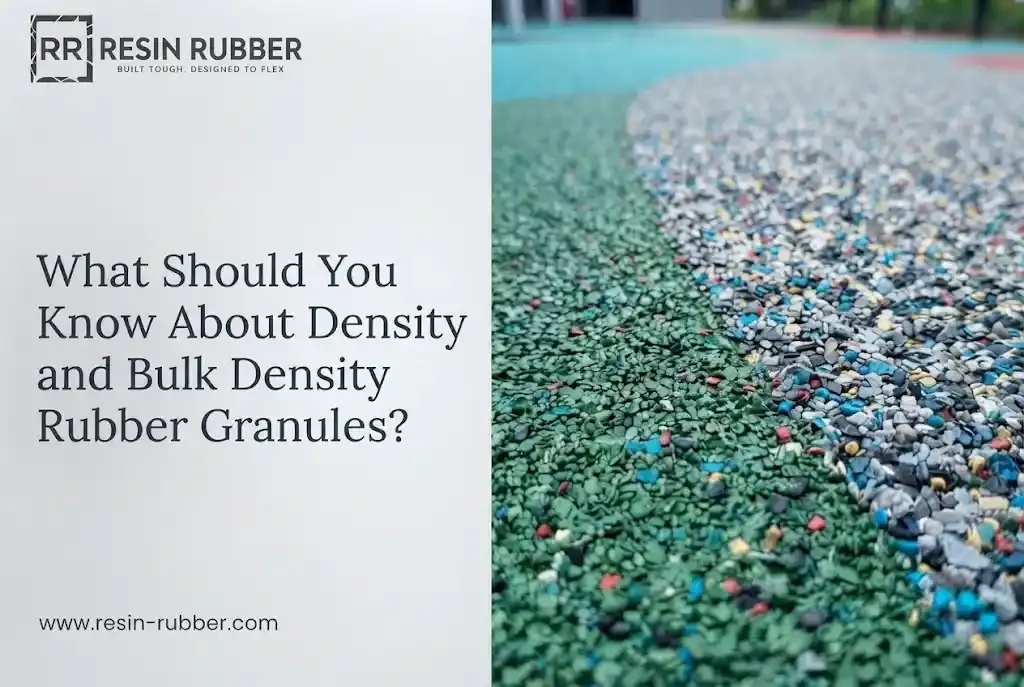
Learn the difference between density and bulk density in EPDM rubber granules, how each is measured, and why both matter for your next order.
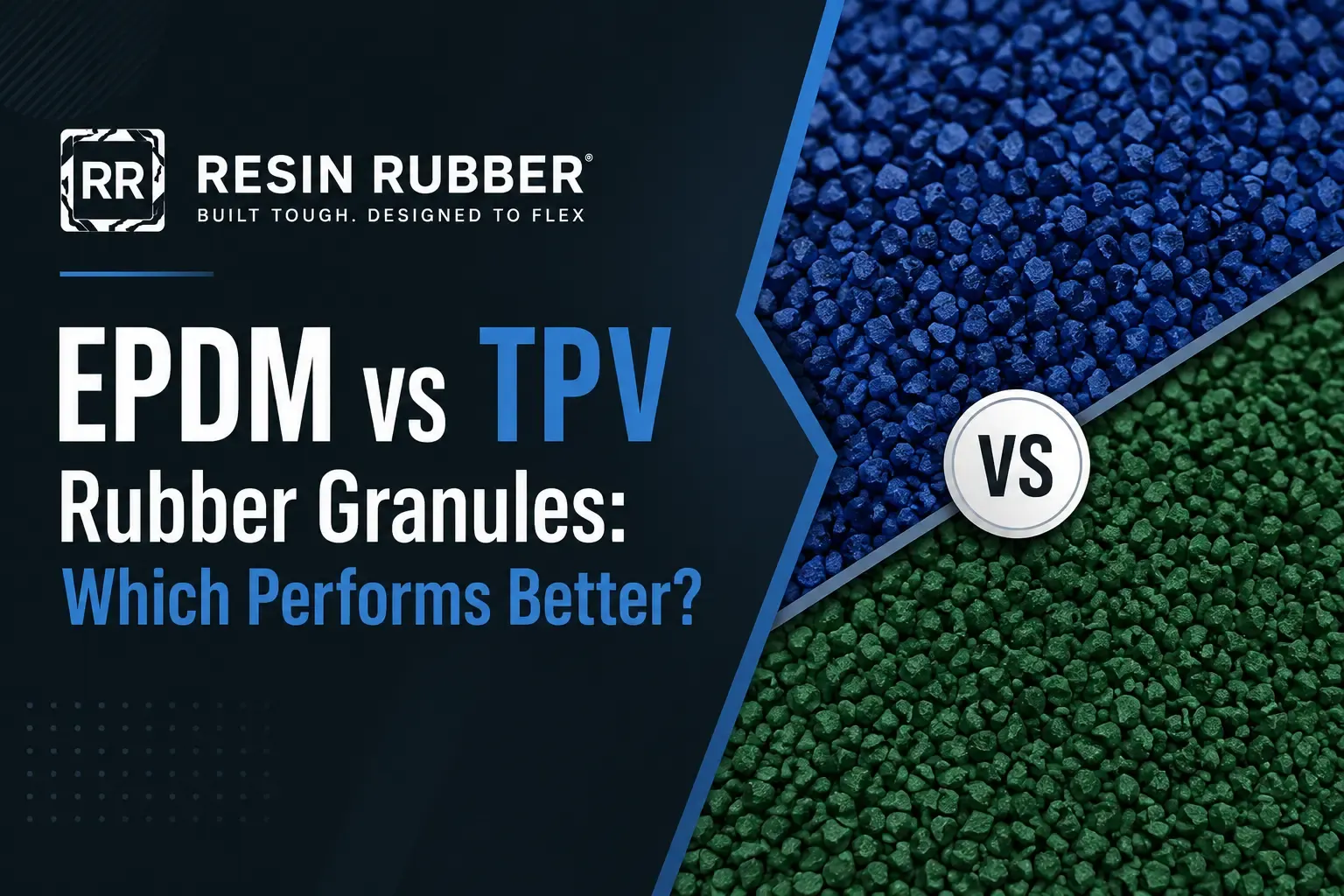
Compare EPDM and TPV rubber granules on UV resistance, durability, hardness, and cost to see which material actually holds up outdoors long-term.
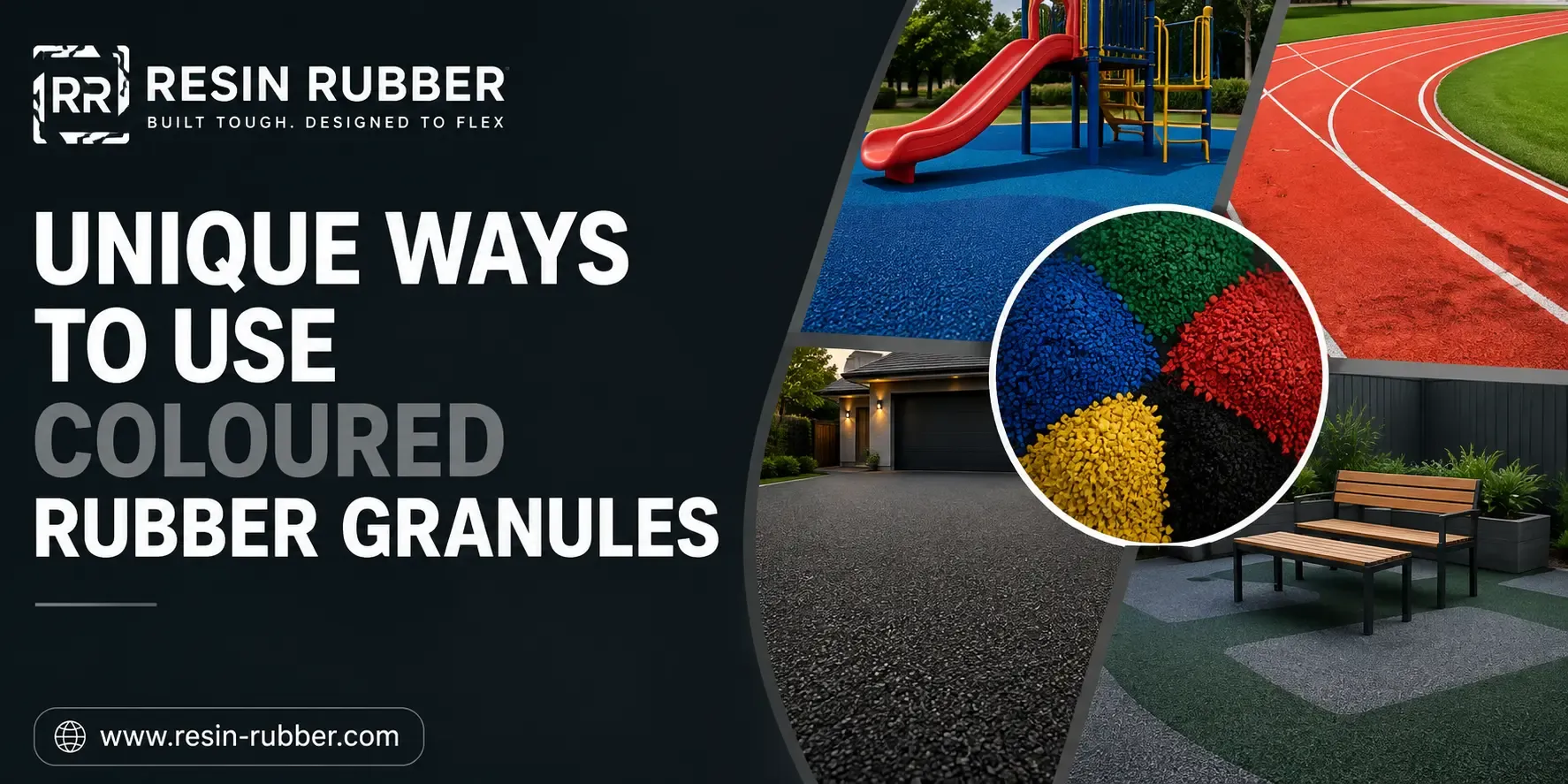
Colored EPDM rubber granules show up in playgrounds, gardens, sports courts, dog parks, and pool decks. See the main uses and how to pick a color format.
A buying guide to rubber granules covering EPDM vs SBR, color fastness, hardness, safety documentation, and the warning signs to walk away from an order.
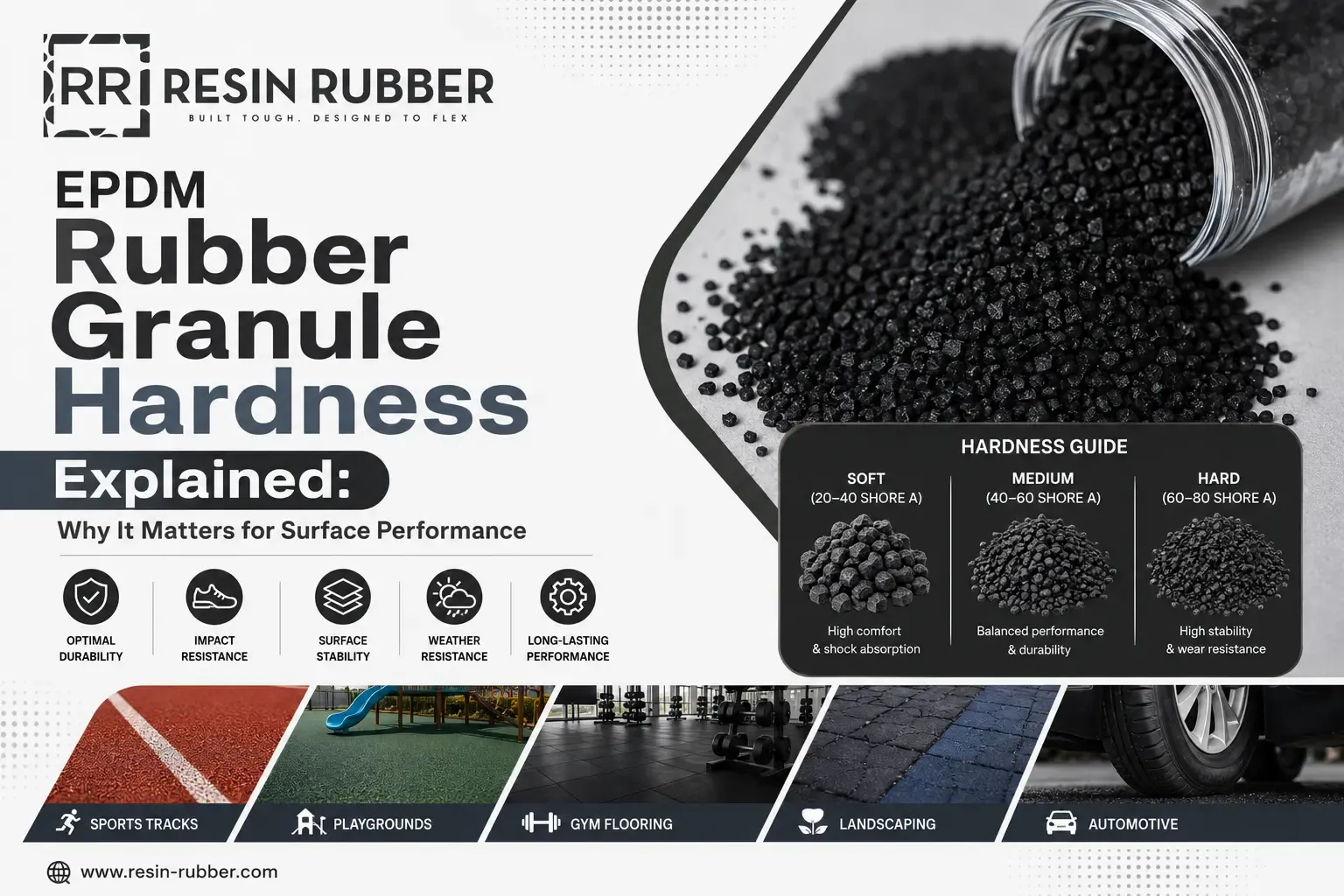
Learn what Shore A hardness means for EPDM rubber granules, how it's tested under ASTM D2240, and which range fits your surfacing project best.
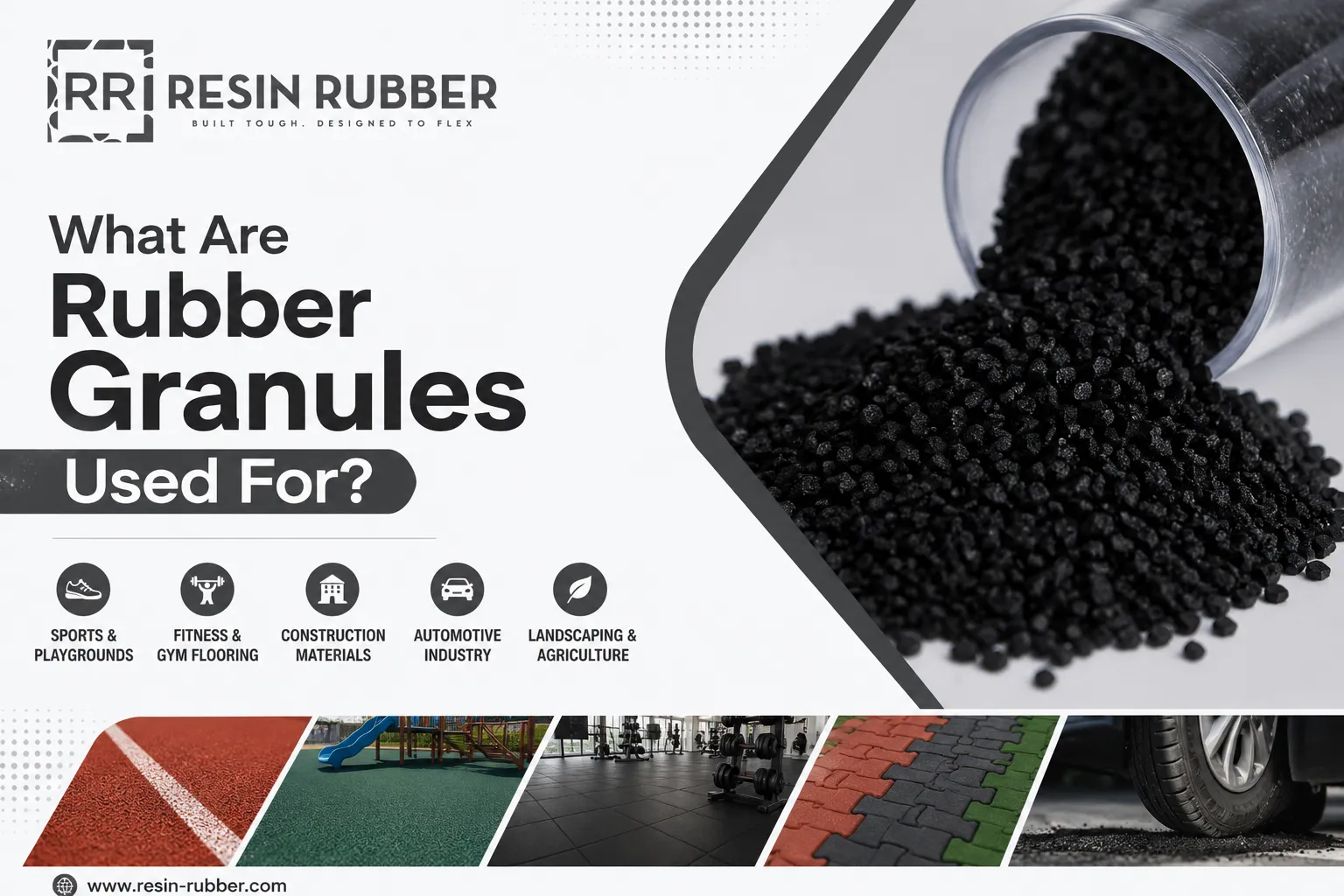
Rubber granules cushion playgrounds, sports courts, pool decks, dog parks, and garden paths. See the main uses and how to match granule type to a project.
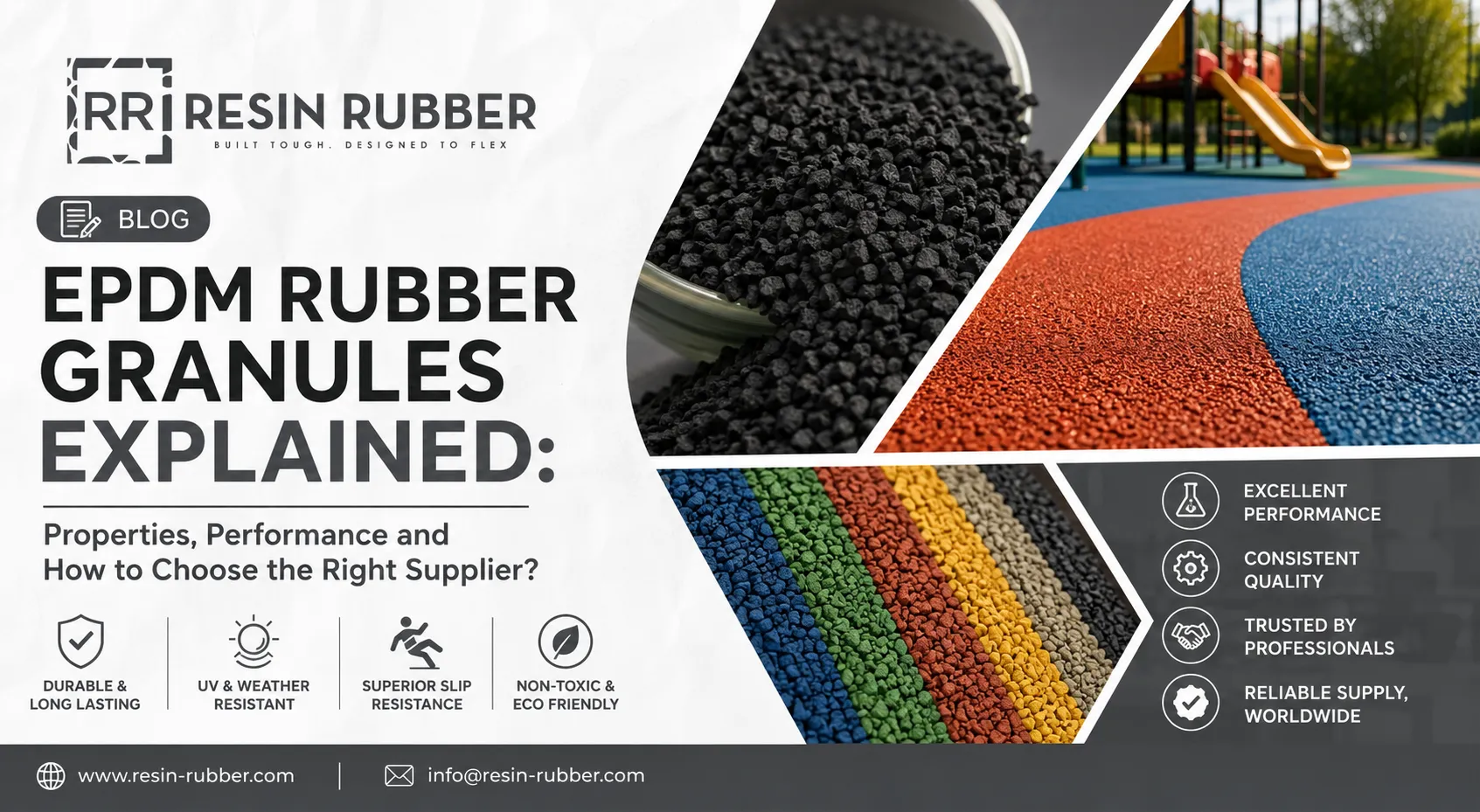
A guide to EPDM rubber granules covering material properties, hardness, granule size, color formats, installation basics, and how to vet a supplier.