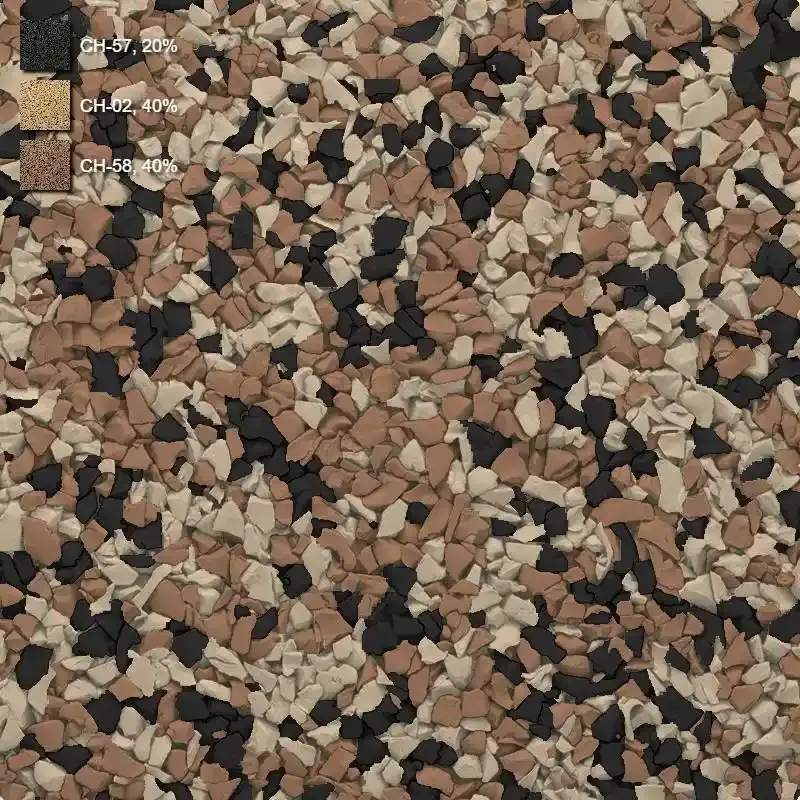
Dakota 55LB
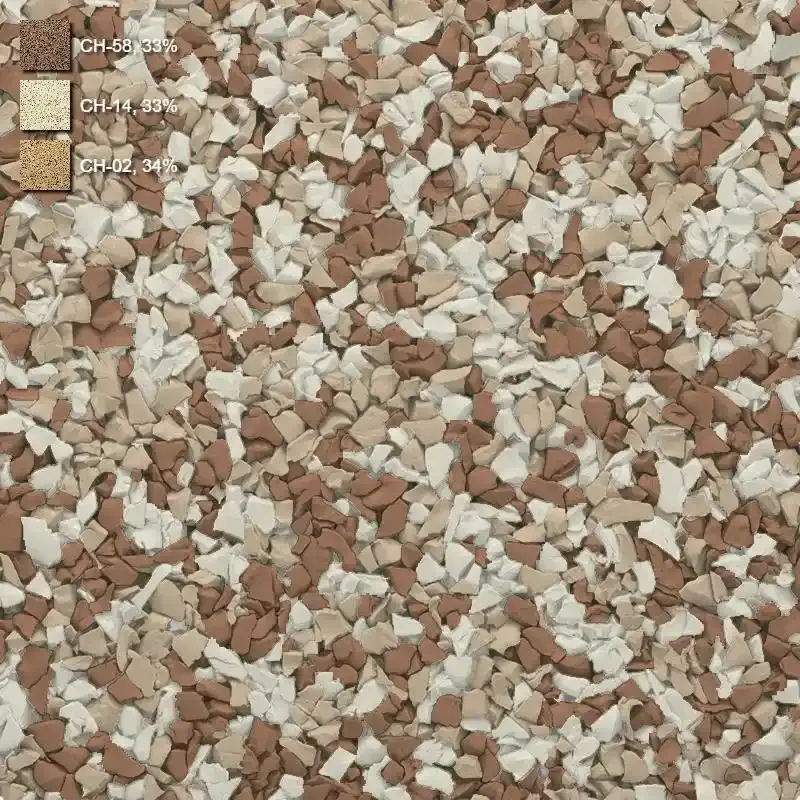
Mixed blend, 55 lb

Materials and planning for patios, garden paths, porches, steps and walkways. We are a materials supplier, not an installation contractor, and we connect you with an approved installer who sources from us.
In short
Resin rubber paths and patios are poured on site from EPDM rubber granules and resin binder over a prepared base, so the surface follows curves, steps and edges without joints. The details that decide the finish are levels, drainage and how edges meet planting, walls and existing paving.
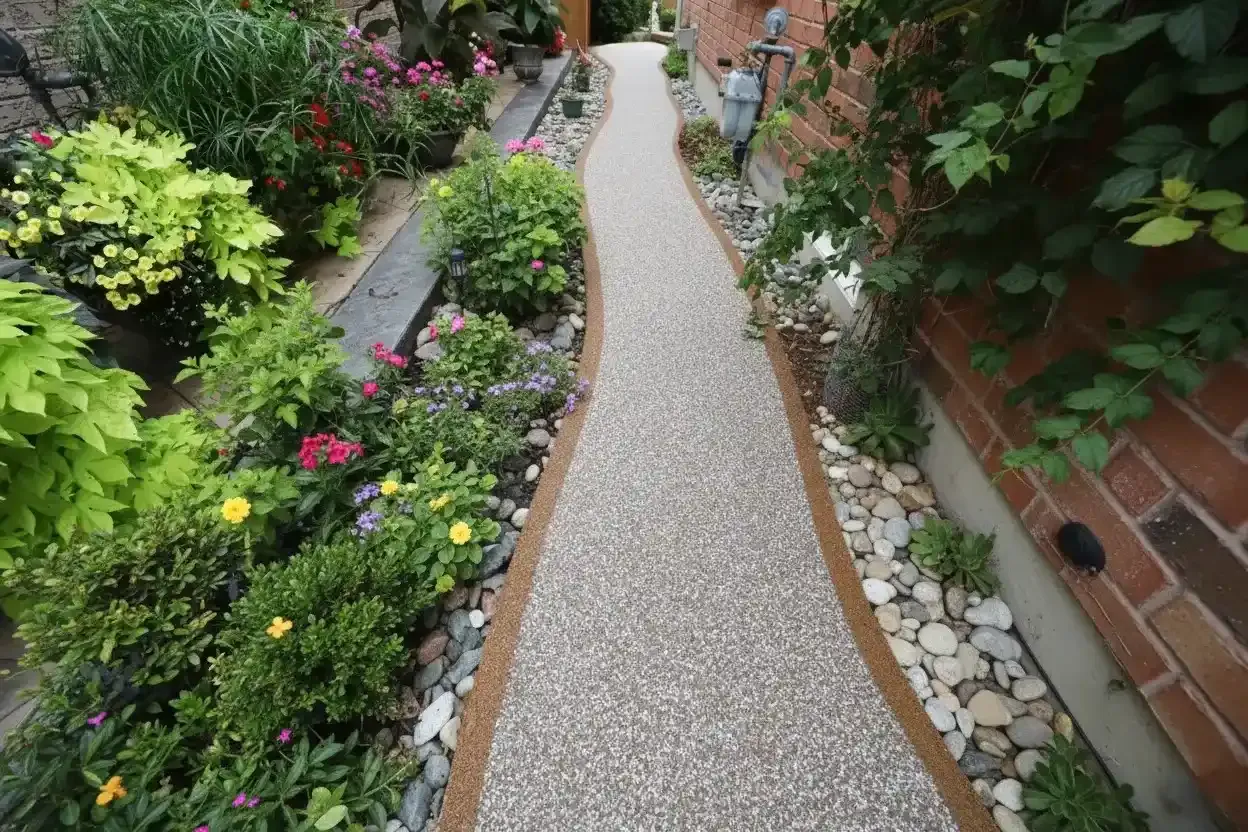
A poured-in-place surface is formed on a prepared base. Agree finished levels, drainage and edge details with your installer. Allow for the surface build-up at doorways and steps, check the base for movement and cracking, and agree how joints and transitions will be handled. A sample and a simple layout plan help decide where color changes go.
Preparation, sequence and curing are covered in the installation guide.
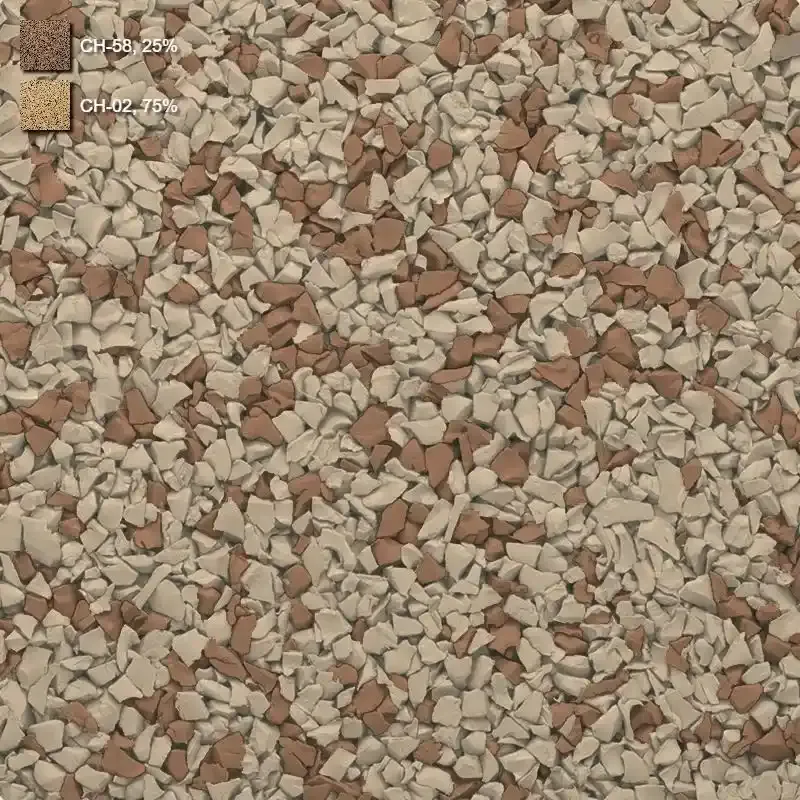
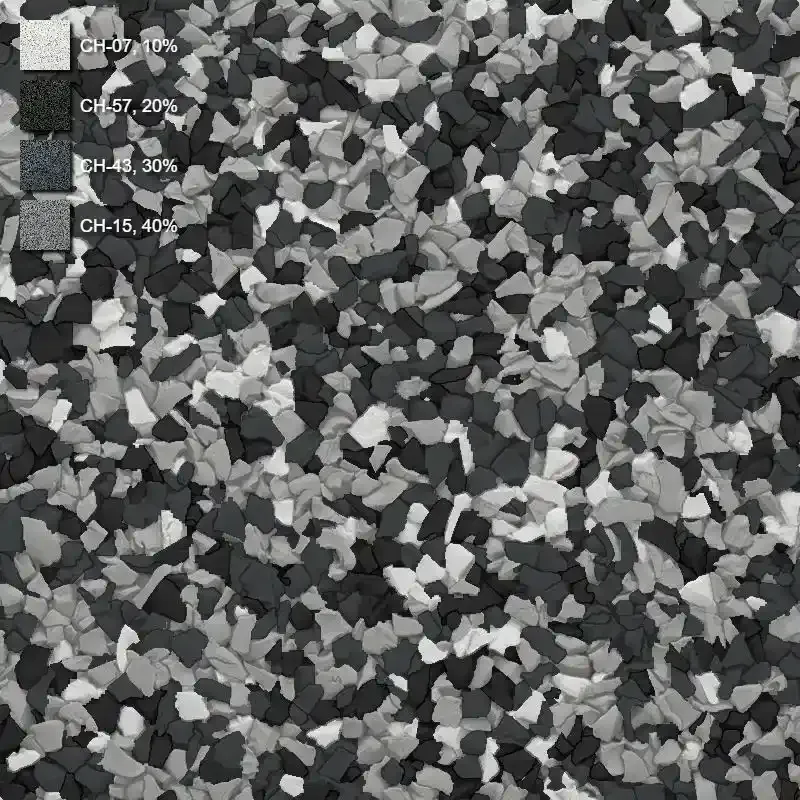
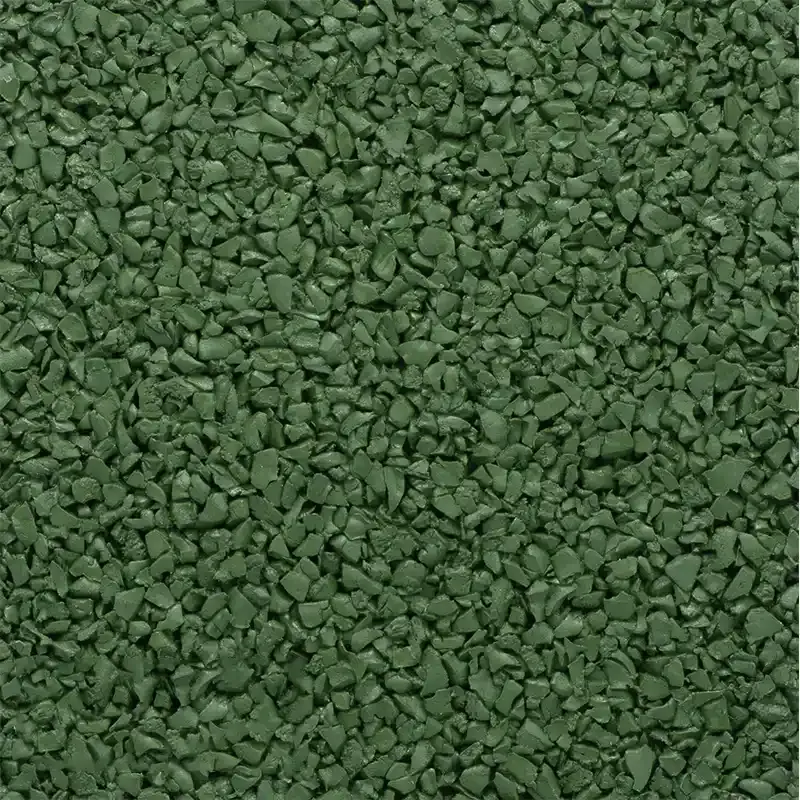
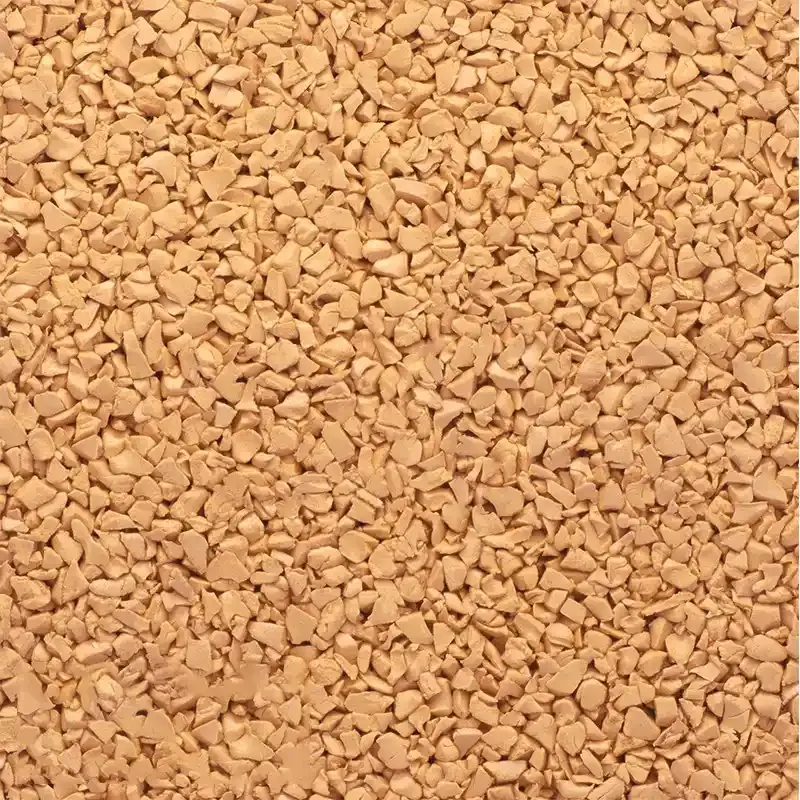
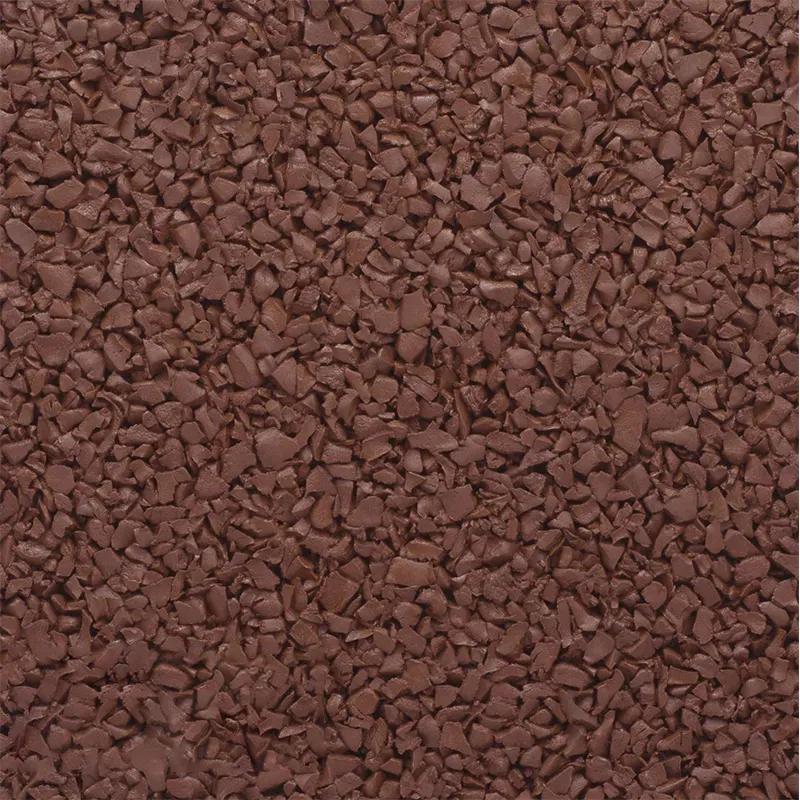
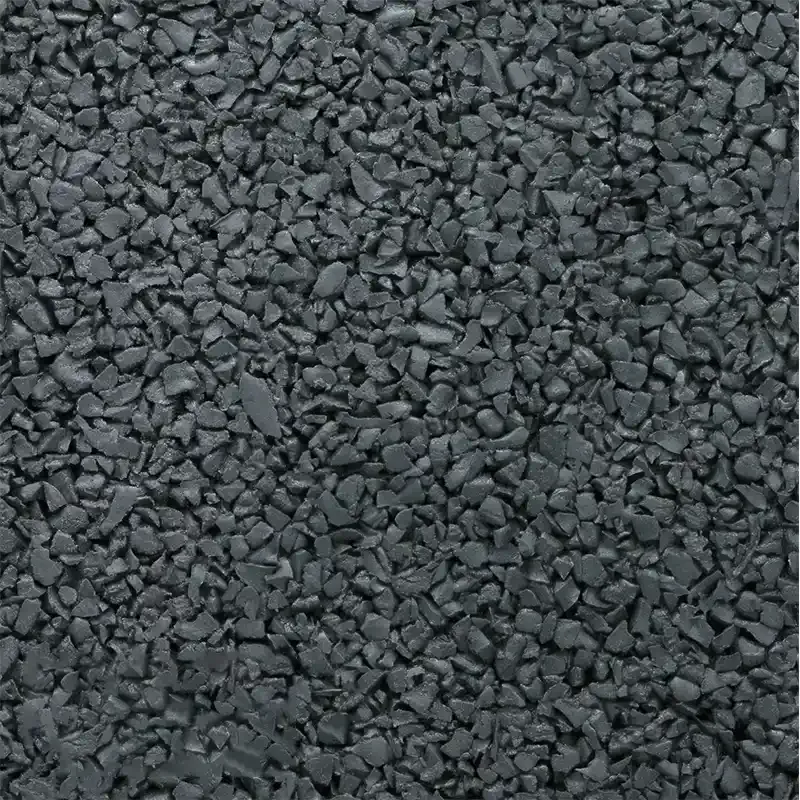
Solid colors are one granule shade and are often used for borders and set-out patterns. Mixed blends combine several colors to a published recipe, listed on the colors page. Earthy blends such as Dakota, Sienna and Sahara tend to sit well beside brick, stone and planting.
Request a physical sample and compare it outdoors against the paving, brick or stone and the building before confirming your order. You can try combinations first in the rubber visualizer.
Send dimensions and a description of the existing surface and we will work out what is needed. The full catalog is under all products.
Warm blends read like gravel. Darker solids hide dirt on busy routes to the door.

More answers on the FAQ page.
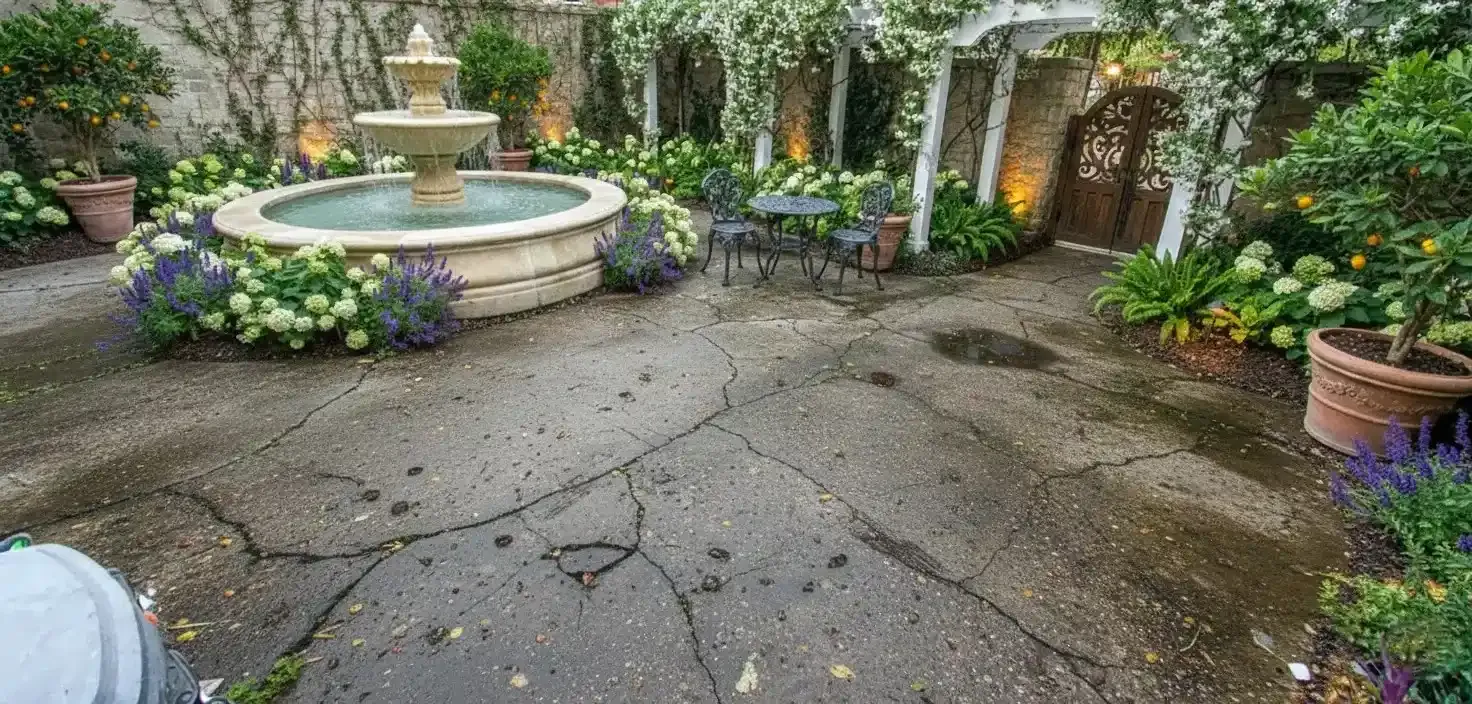
An overlay may be suitable once the existing base has been assessed and the preparation requirements of the selected system are confirmed. Do not assume slabs, pavers or another surface can be covered without that assessment.
That depends on the granule colors, blend and finish. Warm blends like Dakota and Sienna read closer to gravel, while solid colors give an even finish. Review a physical sample and project photos with your installer before confirming the design.
No. We supply materials and connect projects with approved installers. Request an installer for your area with the location, approximate area and existing surface.
A poured surface has no joints between units, so there are no gaps for weeds to root in the way they do between pavers. Keep edges and drainage clear, and follow the care instructions from your installer for cleaning.
Next step
Request an approved installer with your location, the approximate area and the existing surface. Contractors sourcing materials can contact the materials team or look at installer training.