
Flexible, not brittle
The binder holds each granule in a layer that gives slightly under load, so it takes impact and foot traffic through hot summers and cold winters without chipping.

Poured-in-place rubber surfacing
Resin Rubber supplies granules in 40 colors, aliphatic and aromatic binders, mixers and installer training for pool decks, patios, walkways, playgrounds and gyms. We sell to contractors and connect homeowners with approved installers.
The Resin Rubber system
Granules + binder
Solid colors, mixed blends and the binder that holds them together
The color range
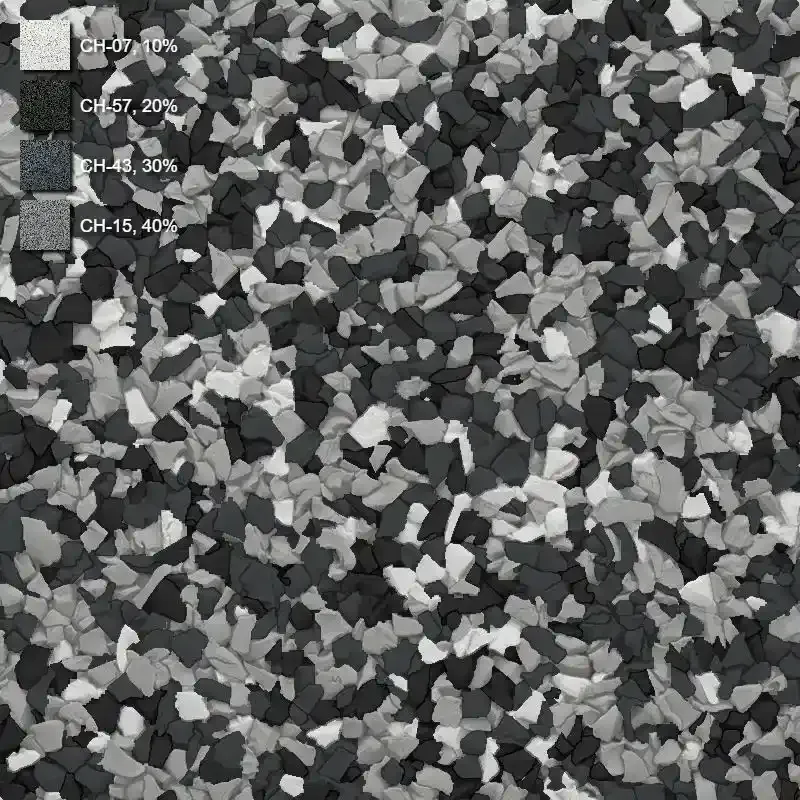
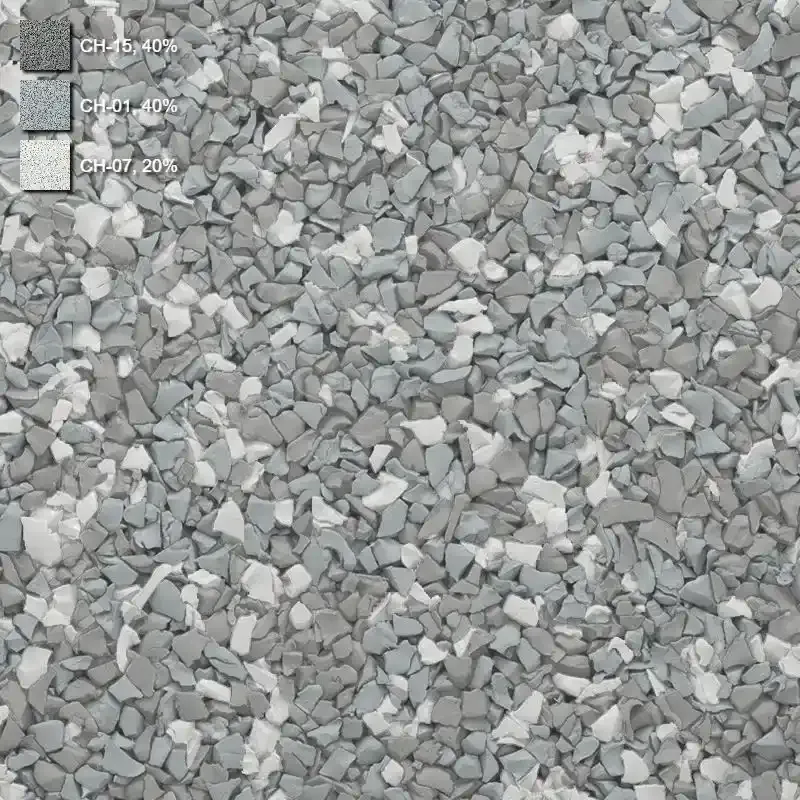
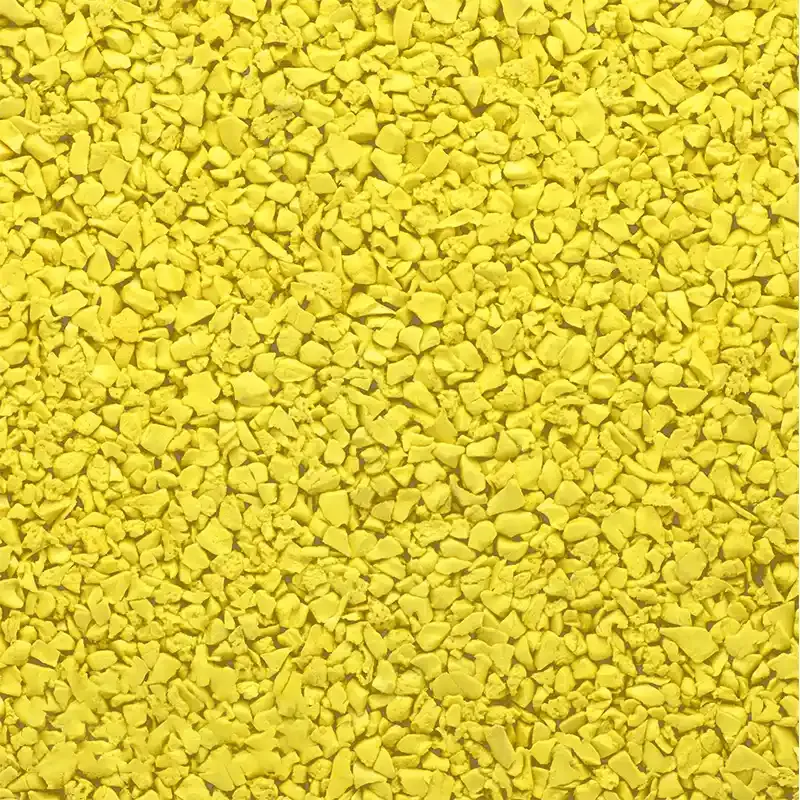
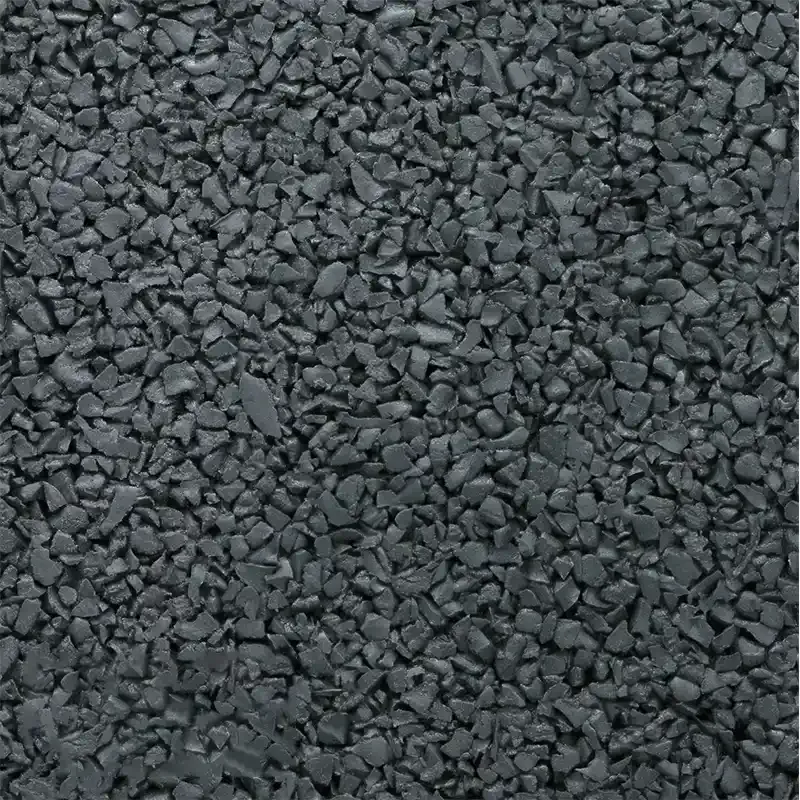
Every swatch here is a photo of the real granule. Dark colors hide wear, and light colors stay cooler underfoot in the sun.
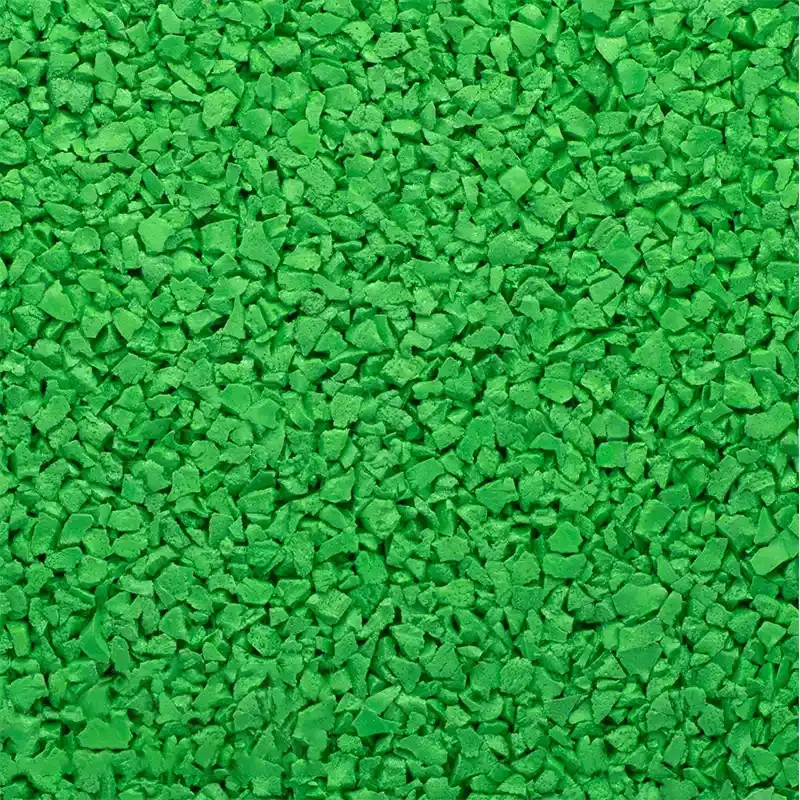

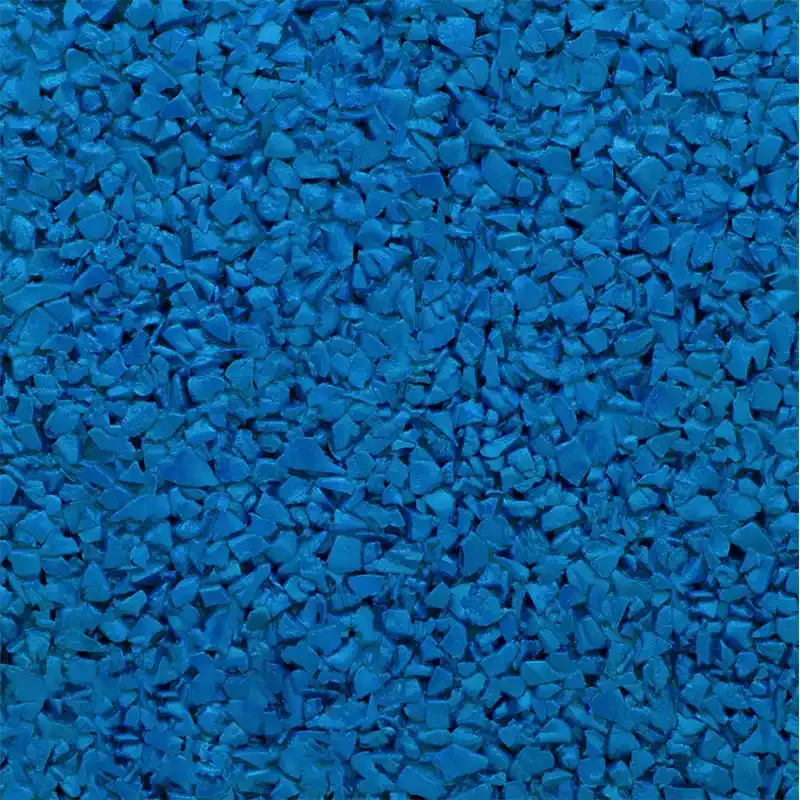
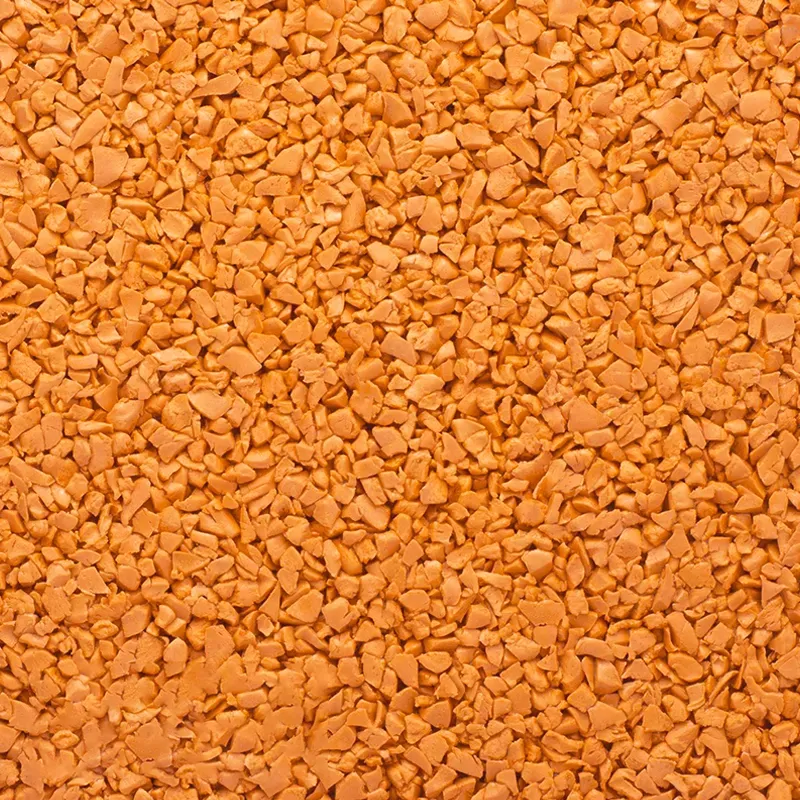
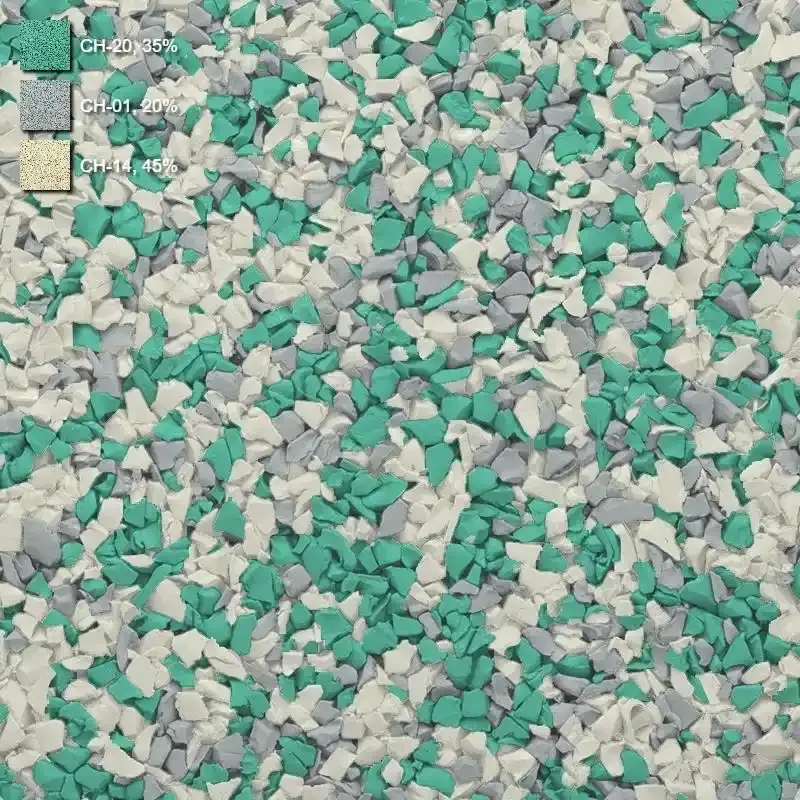
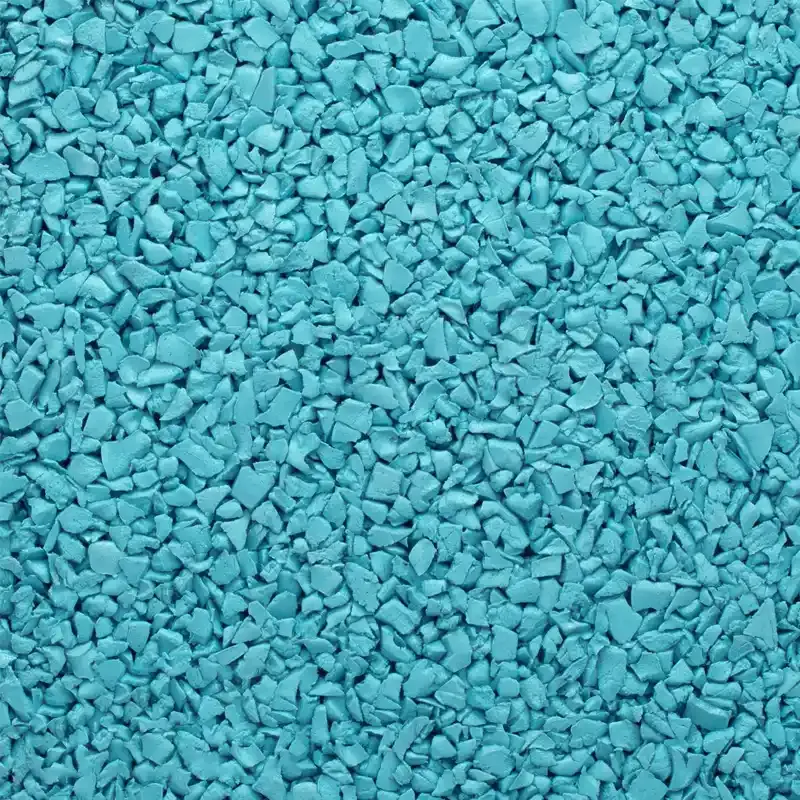
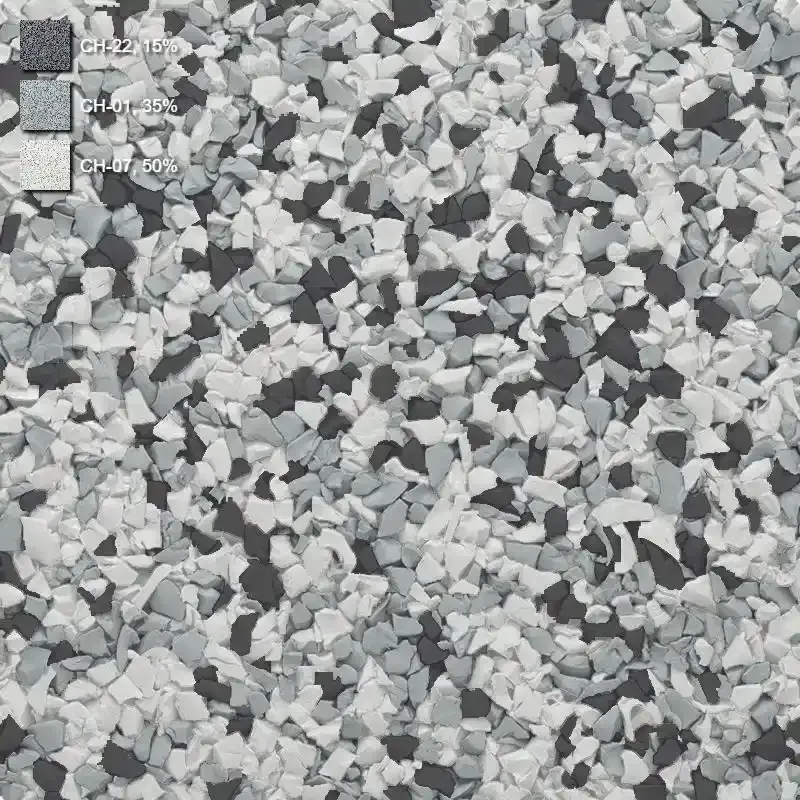
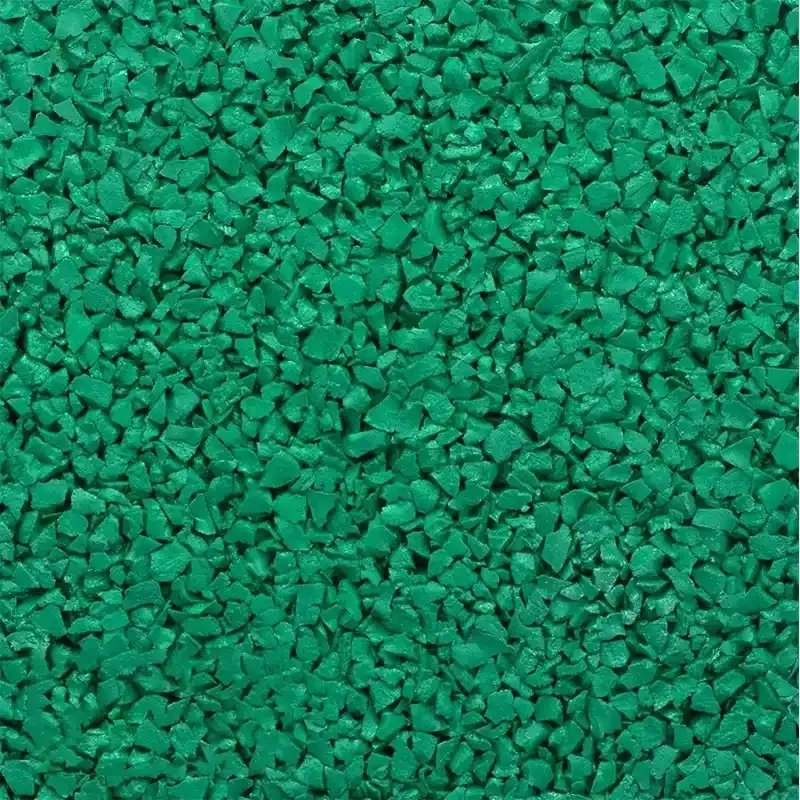

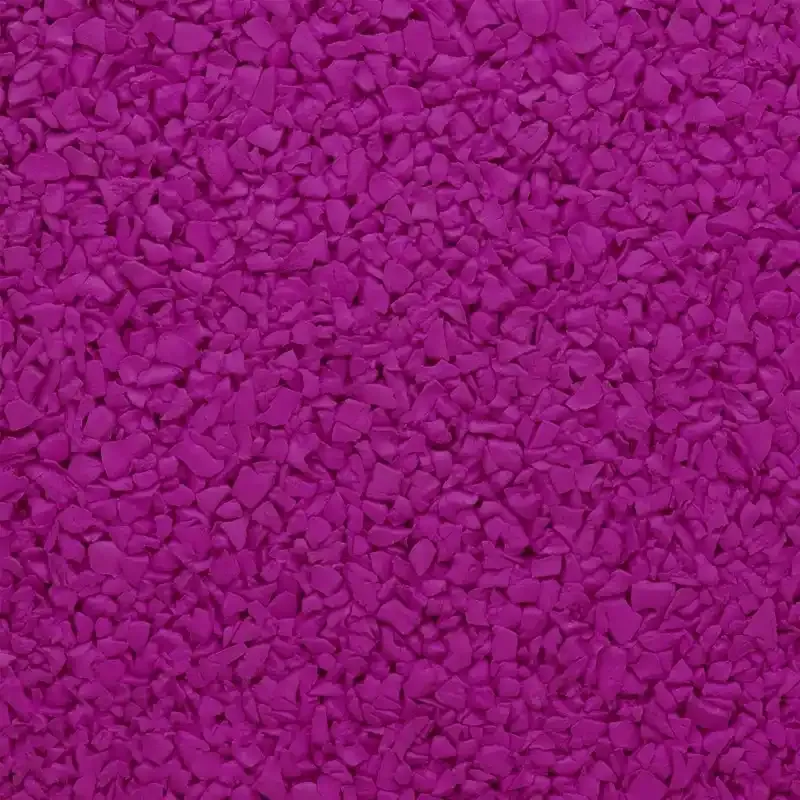
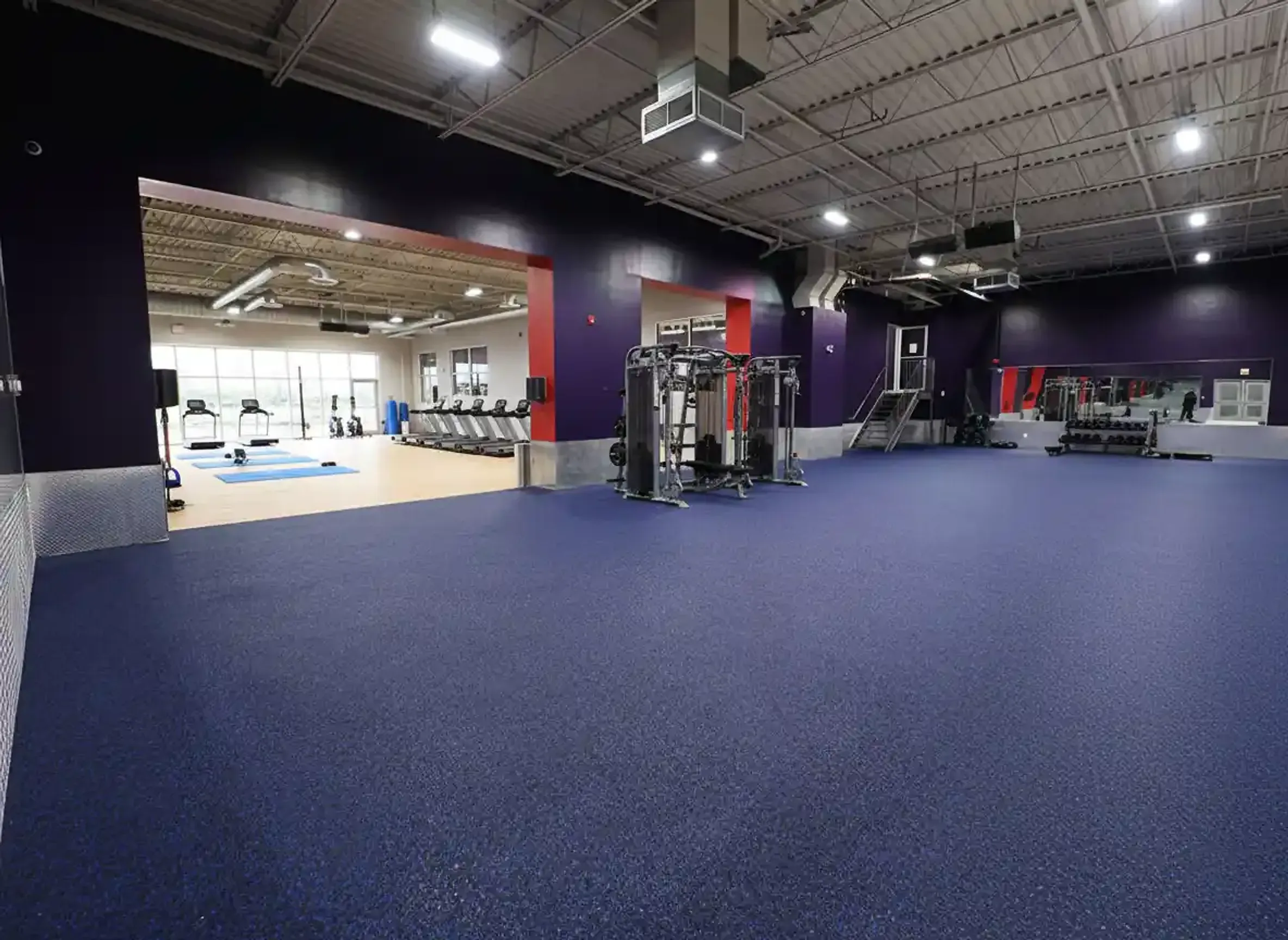
Resin rubber flooring is a poured-in-place surface made by coating EPDM rubber granules in a resin binder and troweling the mix over a prepared base. The granules give texture and cushioning, and the binder locks them into one continuous, porous layer. It is used on pool decks, patios, walkways, playgrounds, home gyms, splash pads, driveways and golf paths.
Step 1 of 3
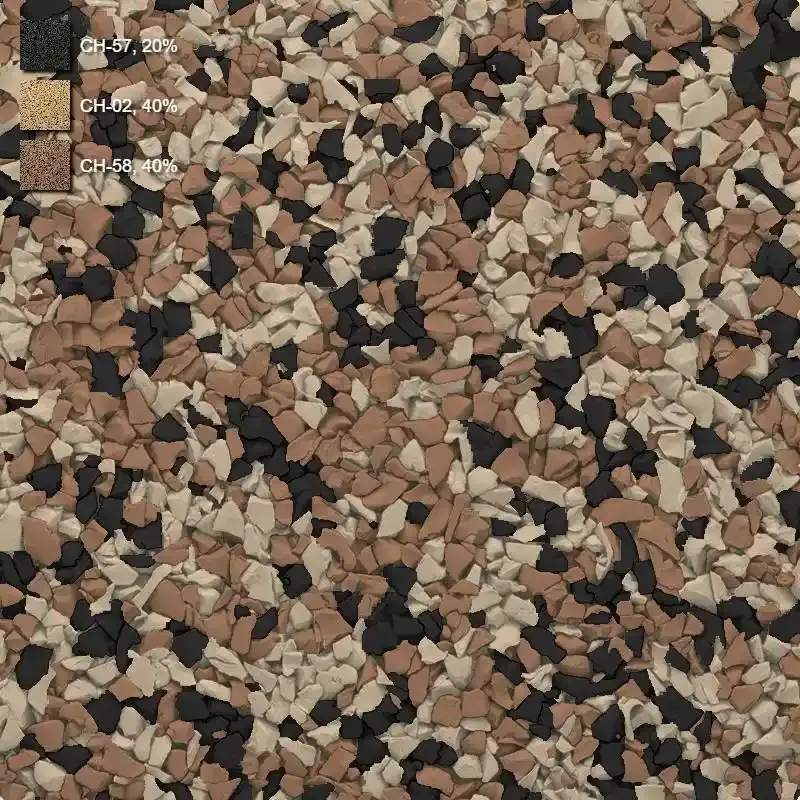
Solid colors give one even shade. Pre-mixed blends like this one, Sarasota, give a speckled, stone-like look. Every option is EPDM rubber in a 55 lb bag.
Compare colorsStep 2 of 3
The granules are mixed with resin binder on site. UV-stable aliphatic binder goes on surfaces in the sun; aromatic binder is for base layers and covered work.
How to choose a binderStep 3 of 3
An installer spreads the mix over a prepared base and trowels it flat. It cures into one continuous, porous layer with no joints.
Read the installation guideThe Resin Rubber mixer
Its paddles force the granules through the binder instead of tumbling them, so every batch gets the same even coat. A safety cut-off stops it the moment the guard opens.

A silent film of the Resin Rubber mixer in a dark studio. Light moves across the tub and its RR logo, the camera circles the galvanized paddle, Frost blend granules pour in through the lid hatch, the paddle mixes them with clear binder under the safety grate, and the camera pulls back to the whole mixer.
Shop by category
Contractors order direct with trade pricing. Homeowners can ask us to connect them with an approved installer who buys from us.
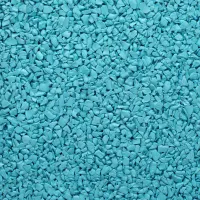

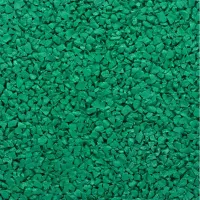
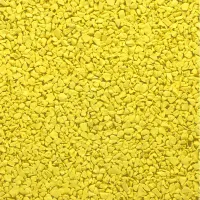
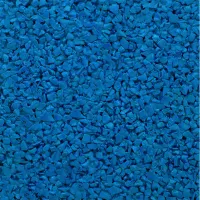
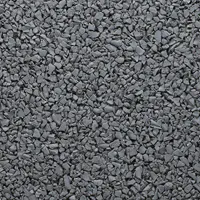
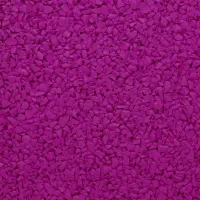
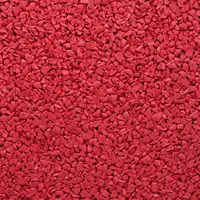
One shade per bag, dyed all the way through.
Two to four colors pre-mixed to a published recipe.
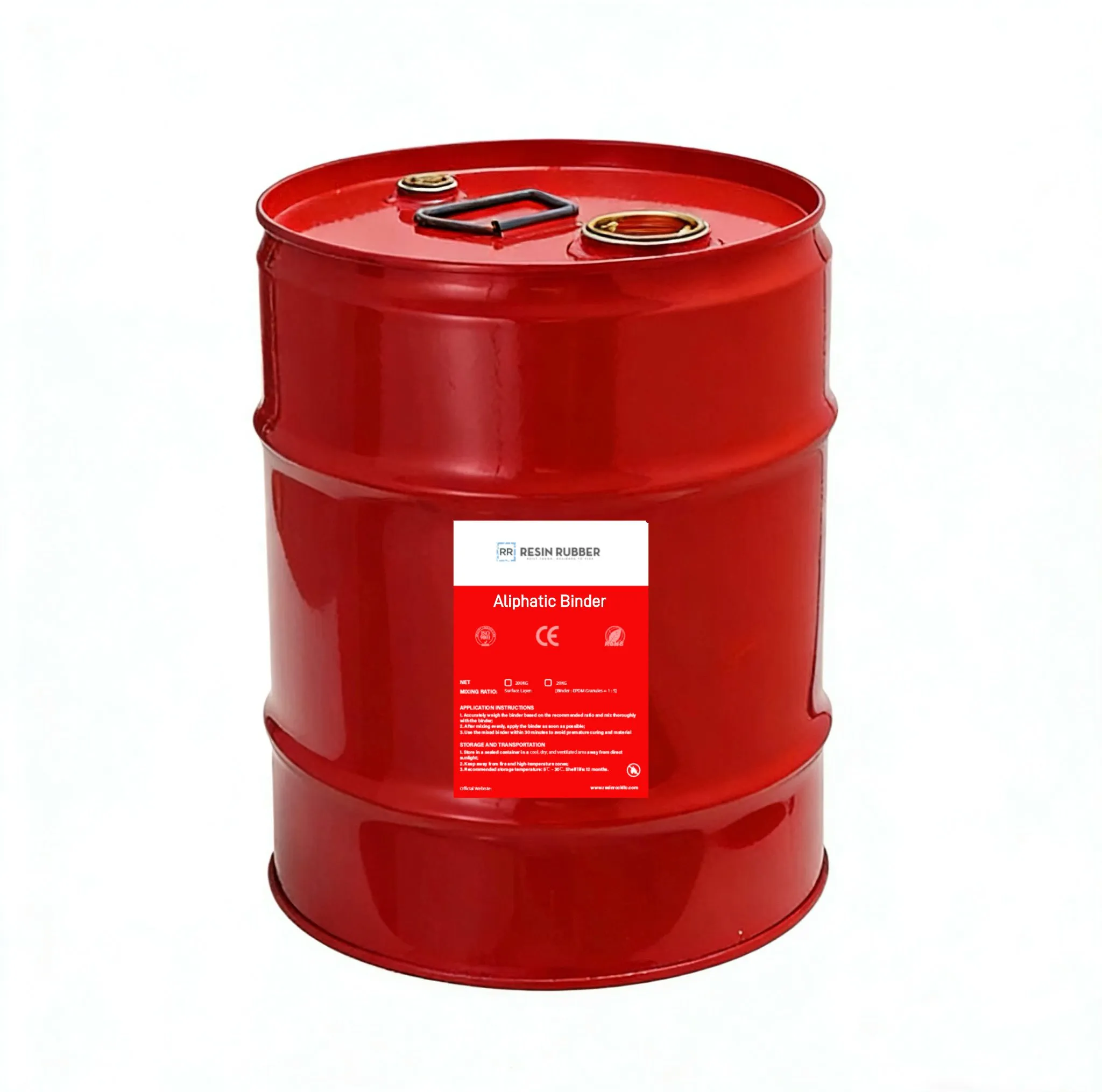
The binder locks the granules into one porous layer.
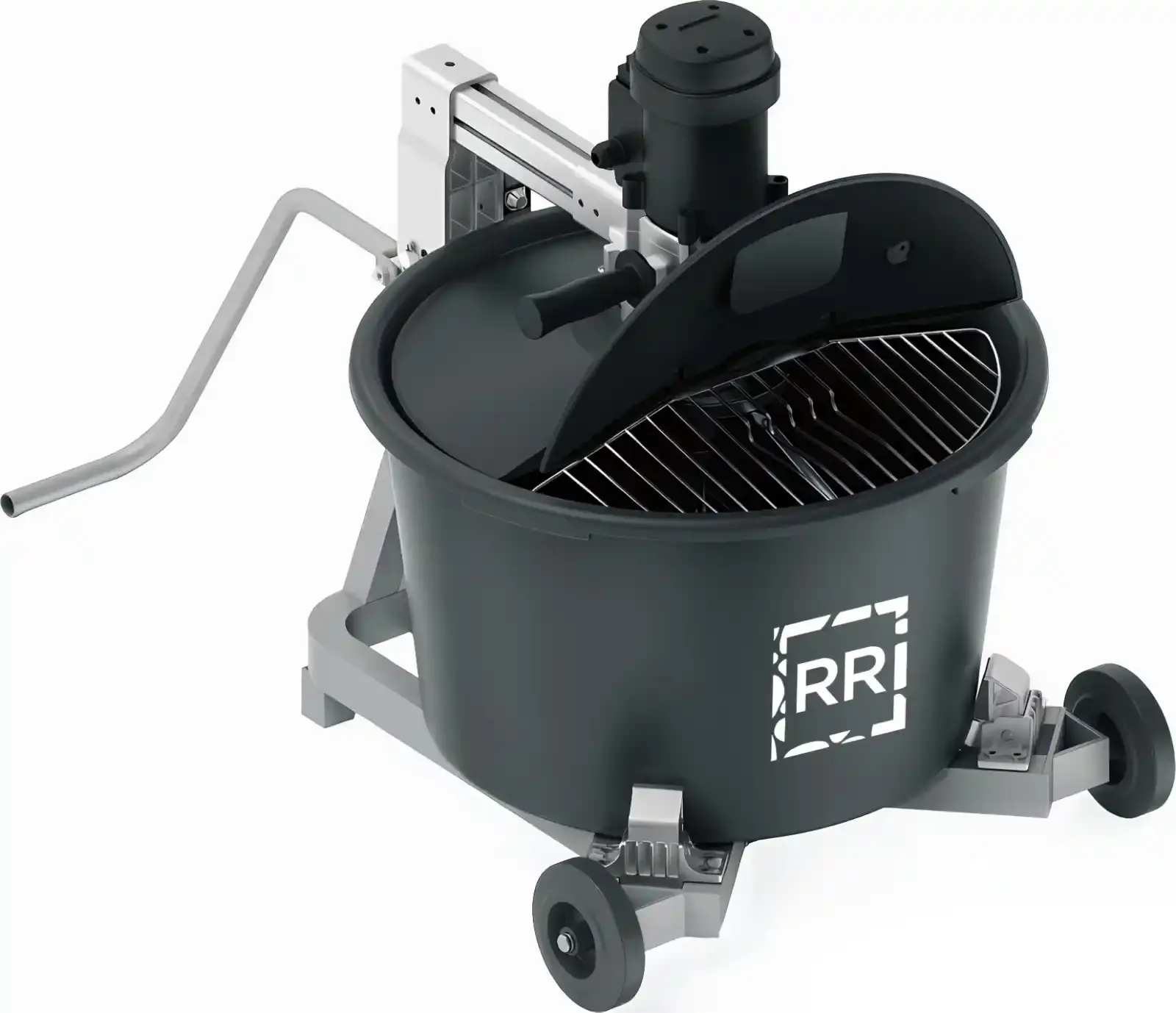
An even coat on every batch and clean tools between pours.
Installer training
Bronze and Silver courses, hands-on, with a certificate and the calculators to quote the work.
Applications
The same granules and binder are specified differently depending on the base and the job. These are the most common.
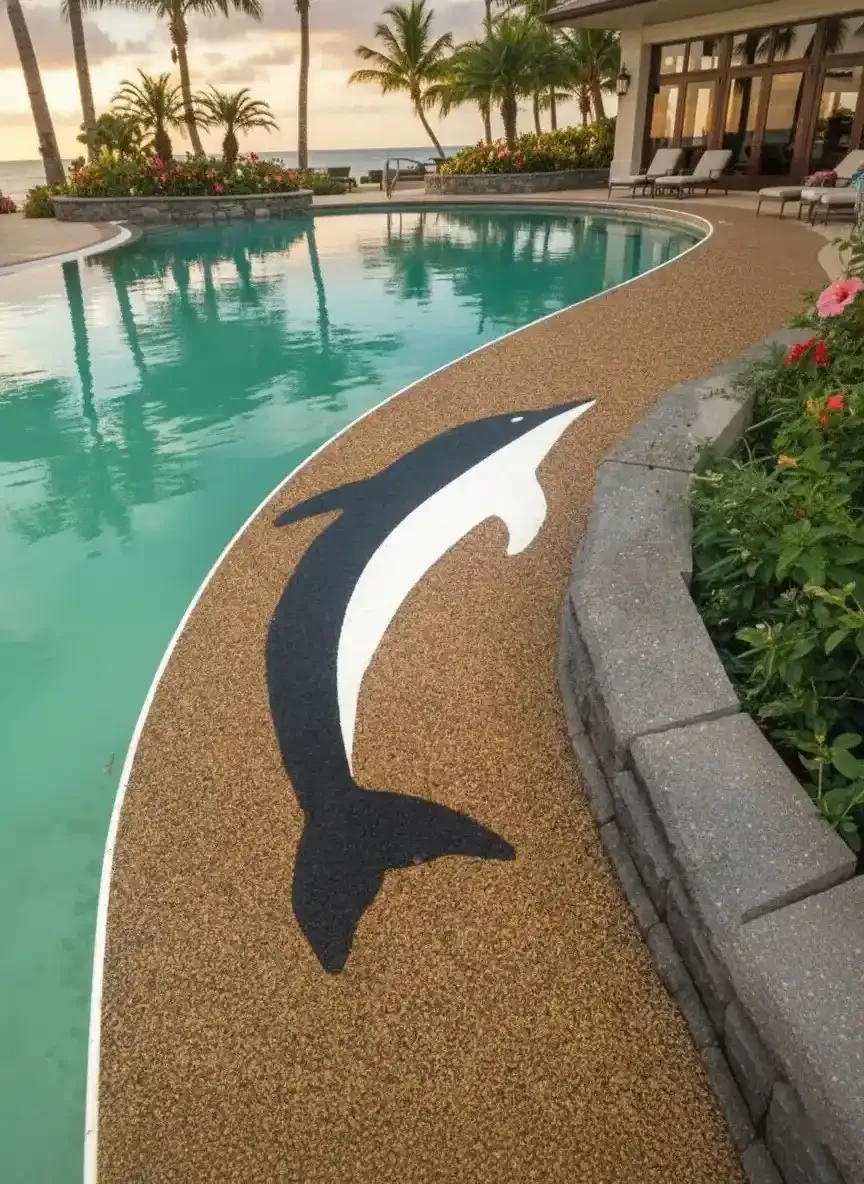
Poured around coping, steps and curves, with a texture that gives bare feet something to grip. The installer confirms a system suited to wet areas.
Pool deck surfacing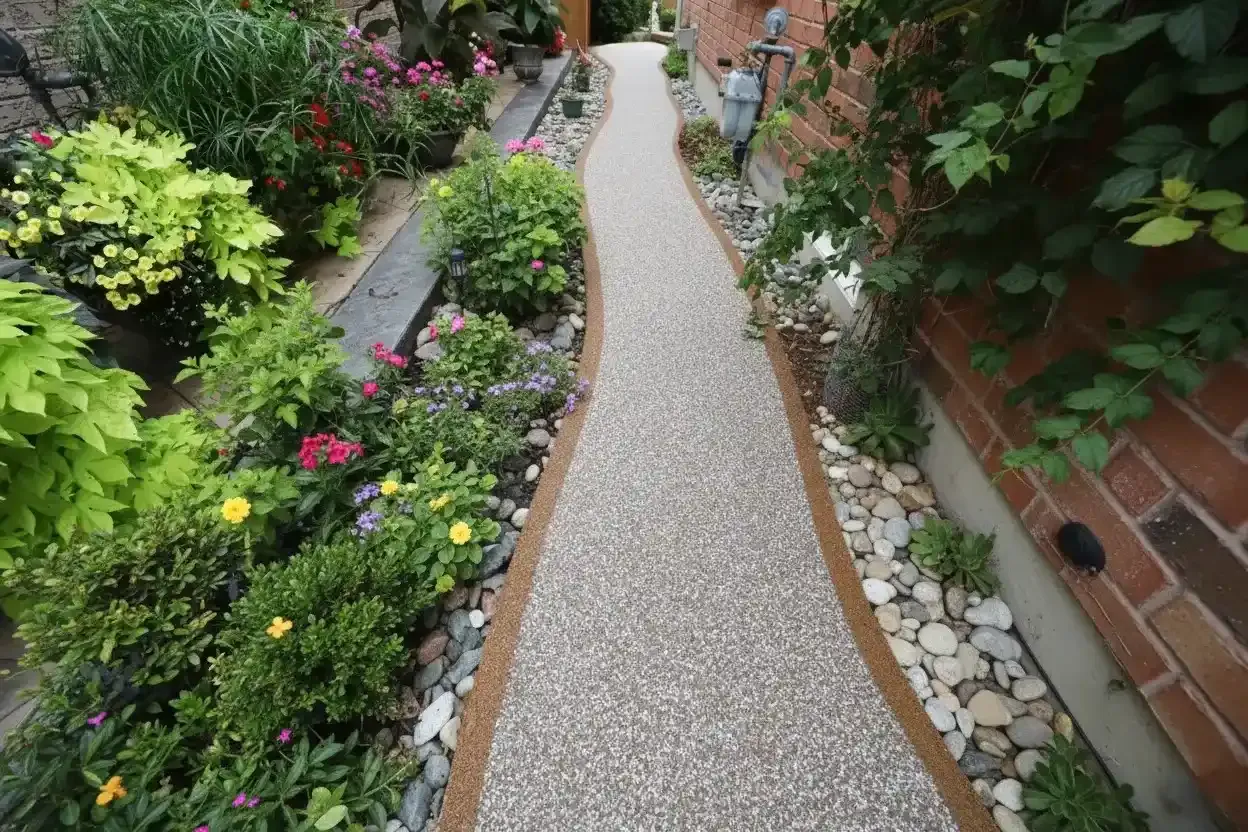
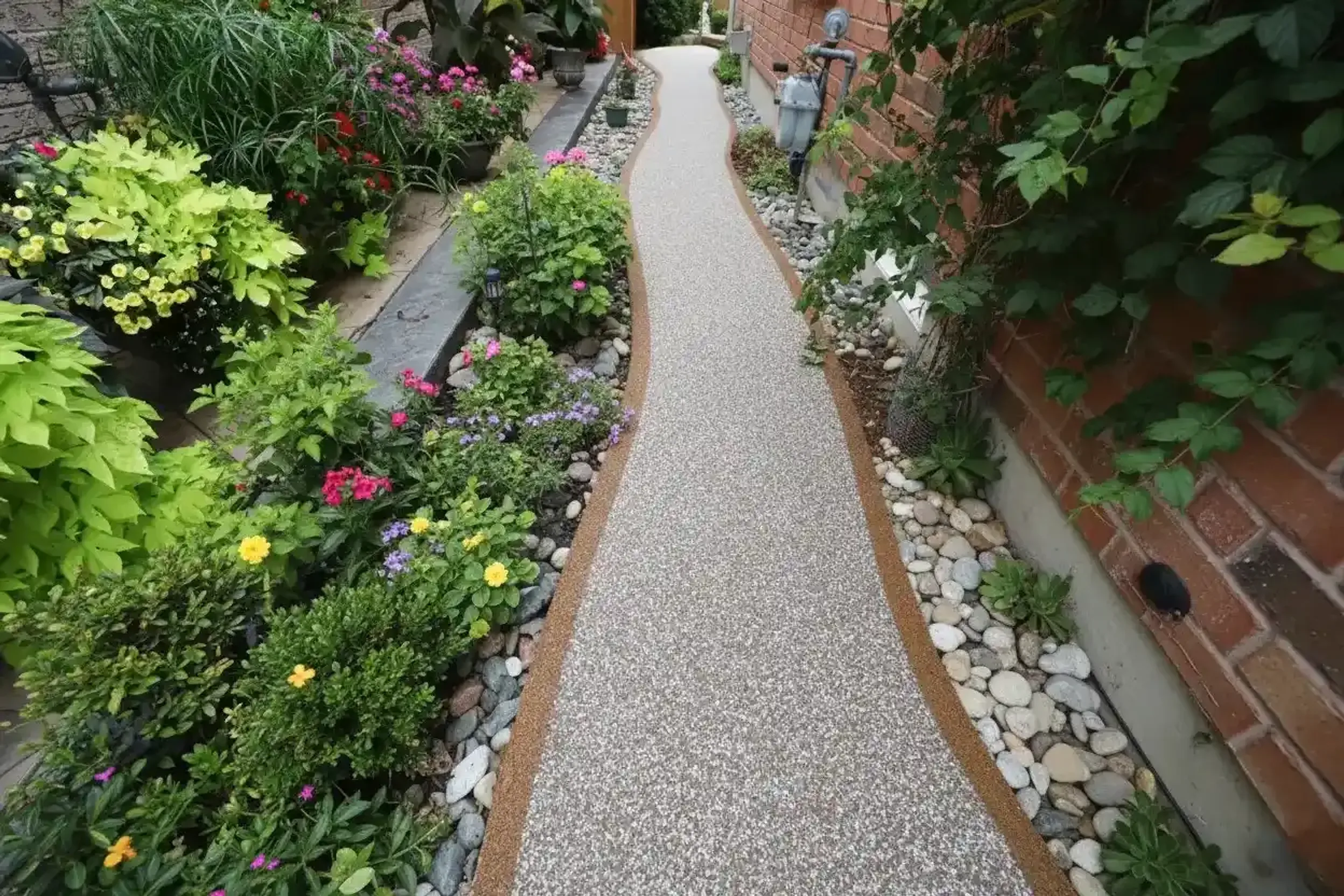
The surface follows the shape of the path and finishes flush at edges and thresholds, with no joints for weeds.
Patio and path surfacing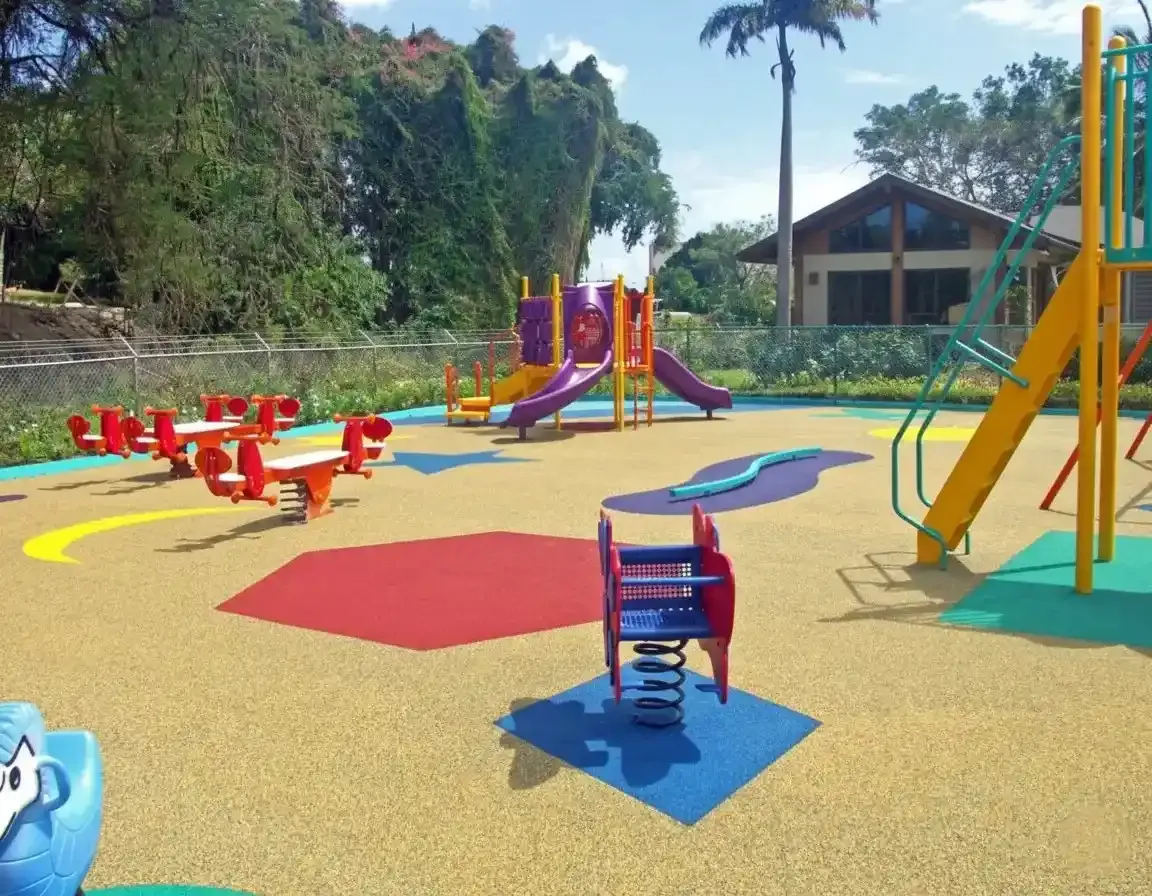
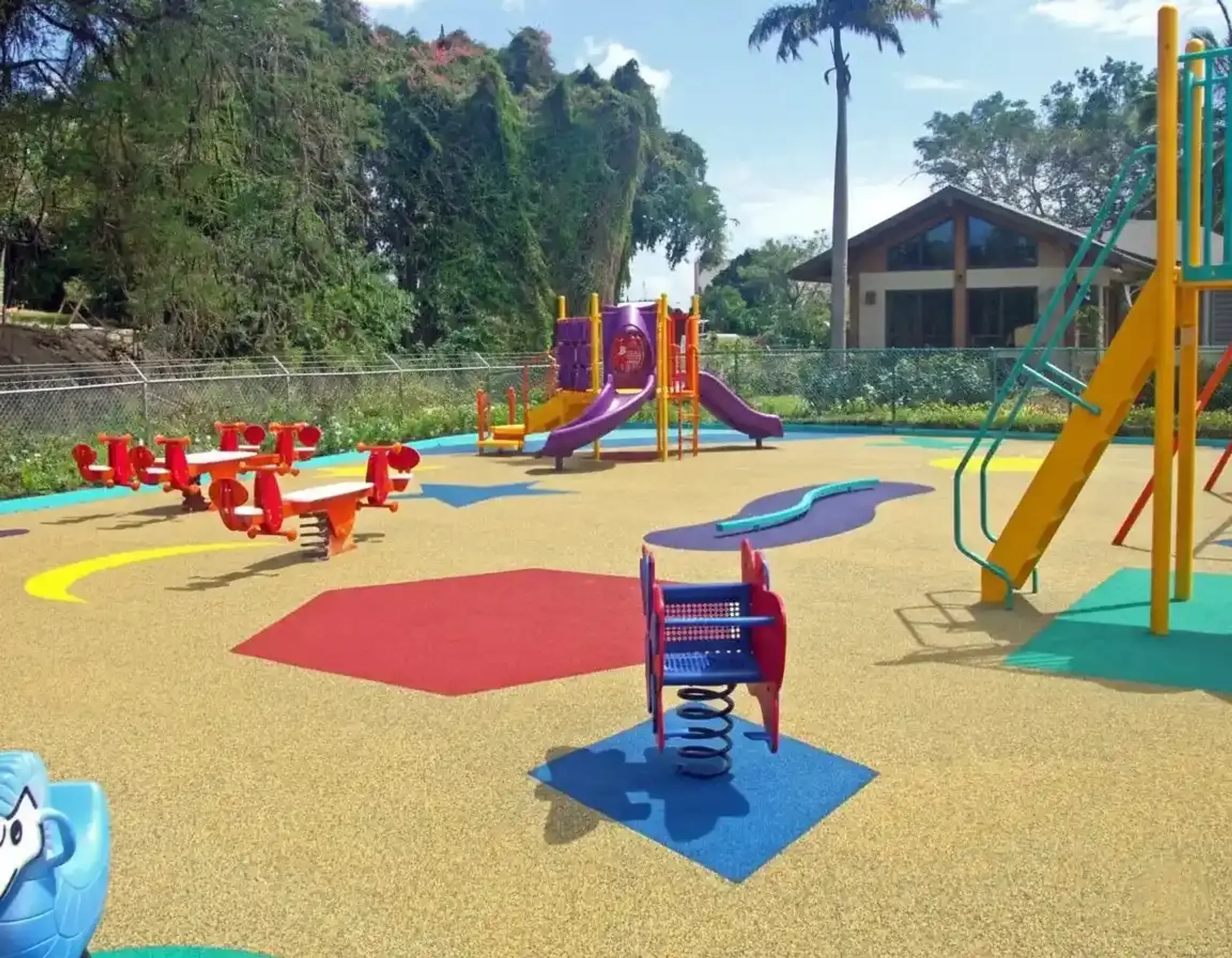
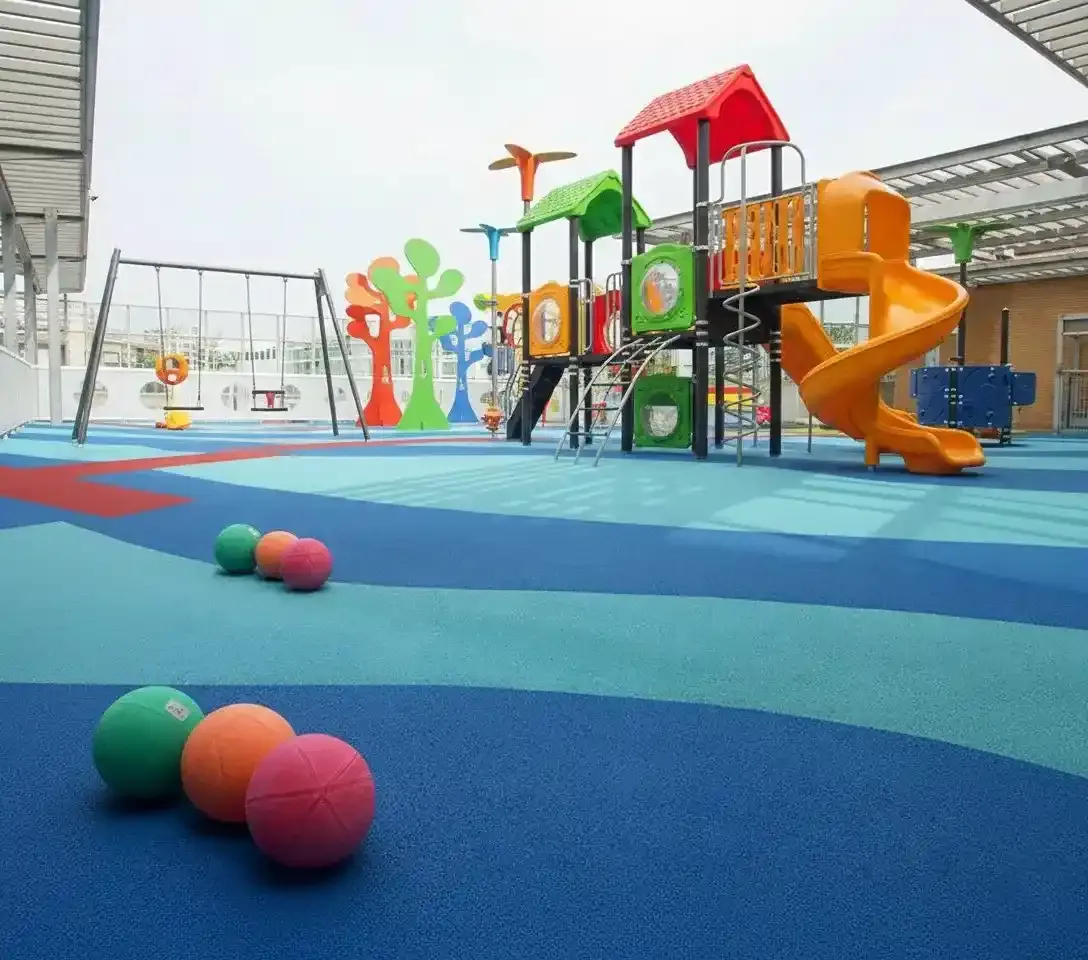
Laid thicker under swings and climbing frames for fall-height safety zones.
Playground colors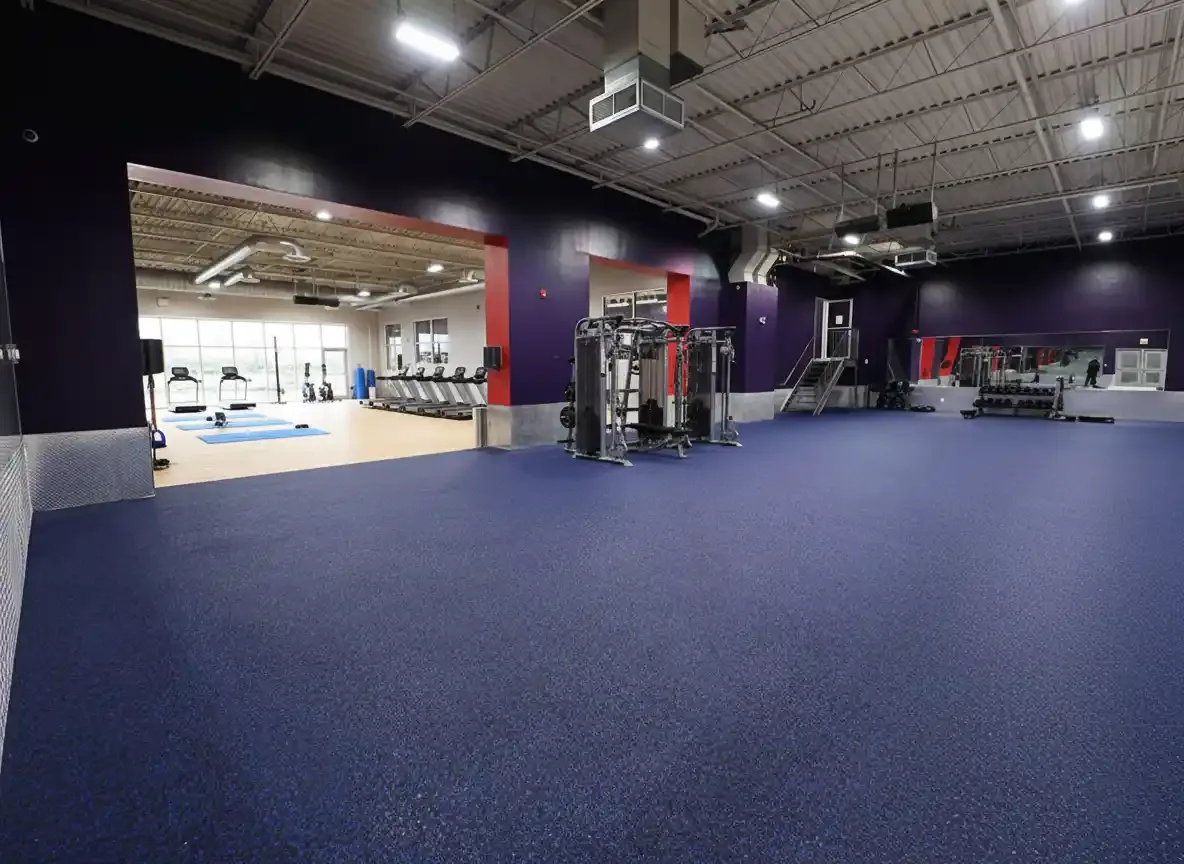
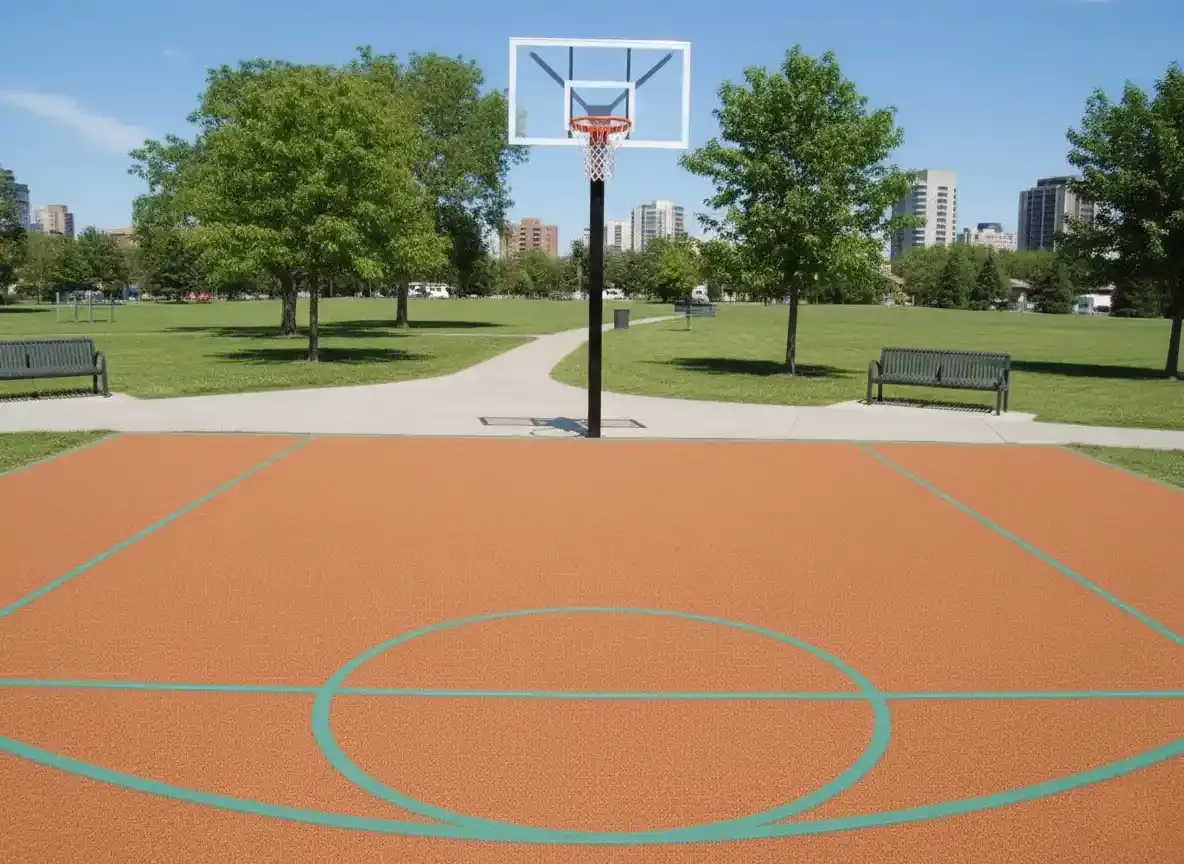
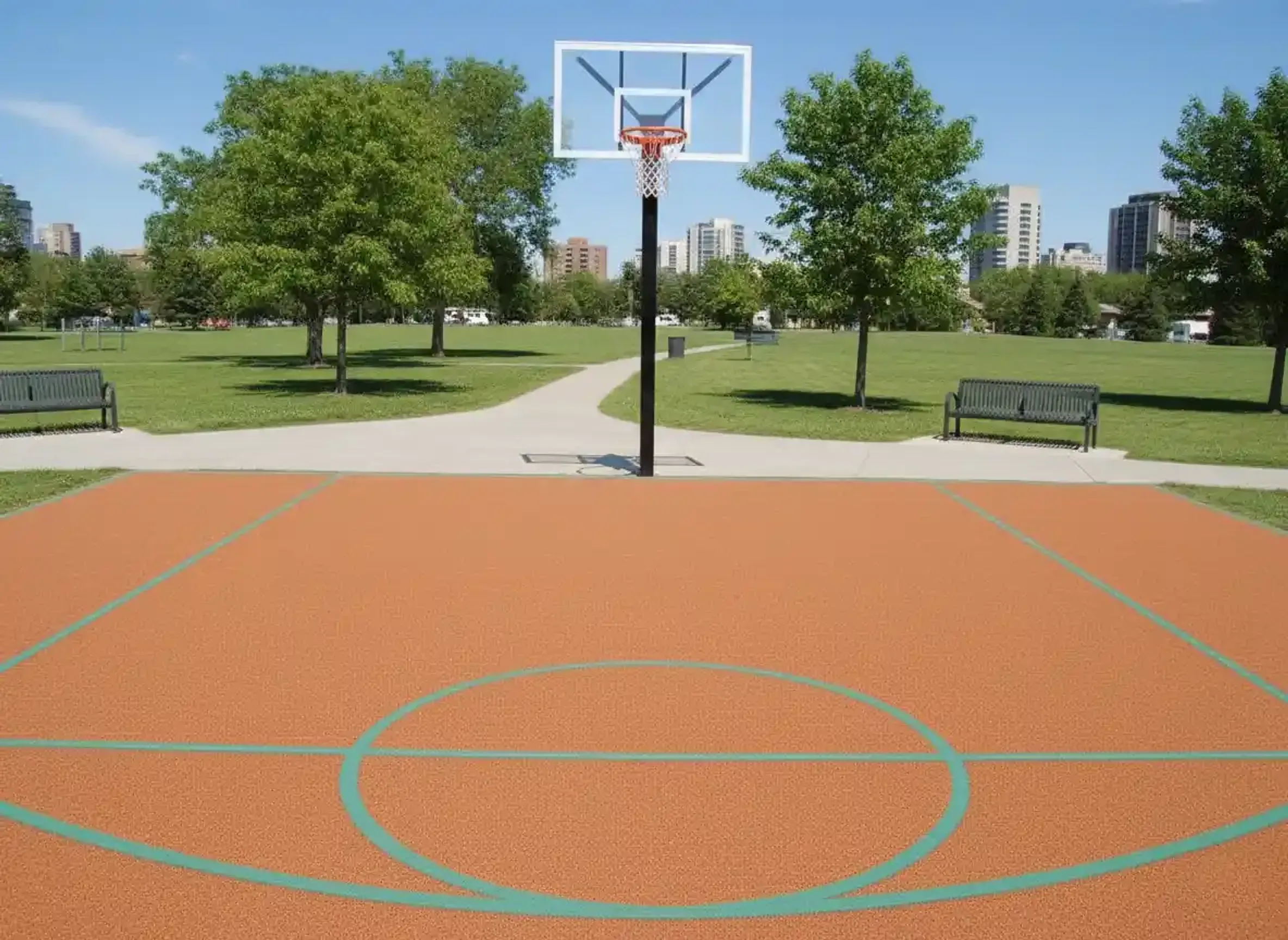
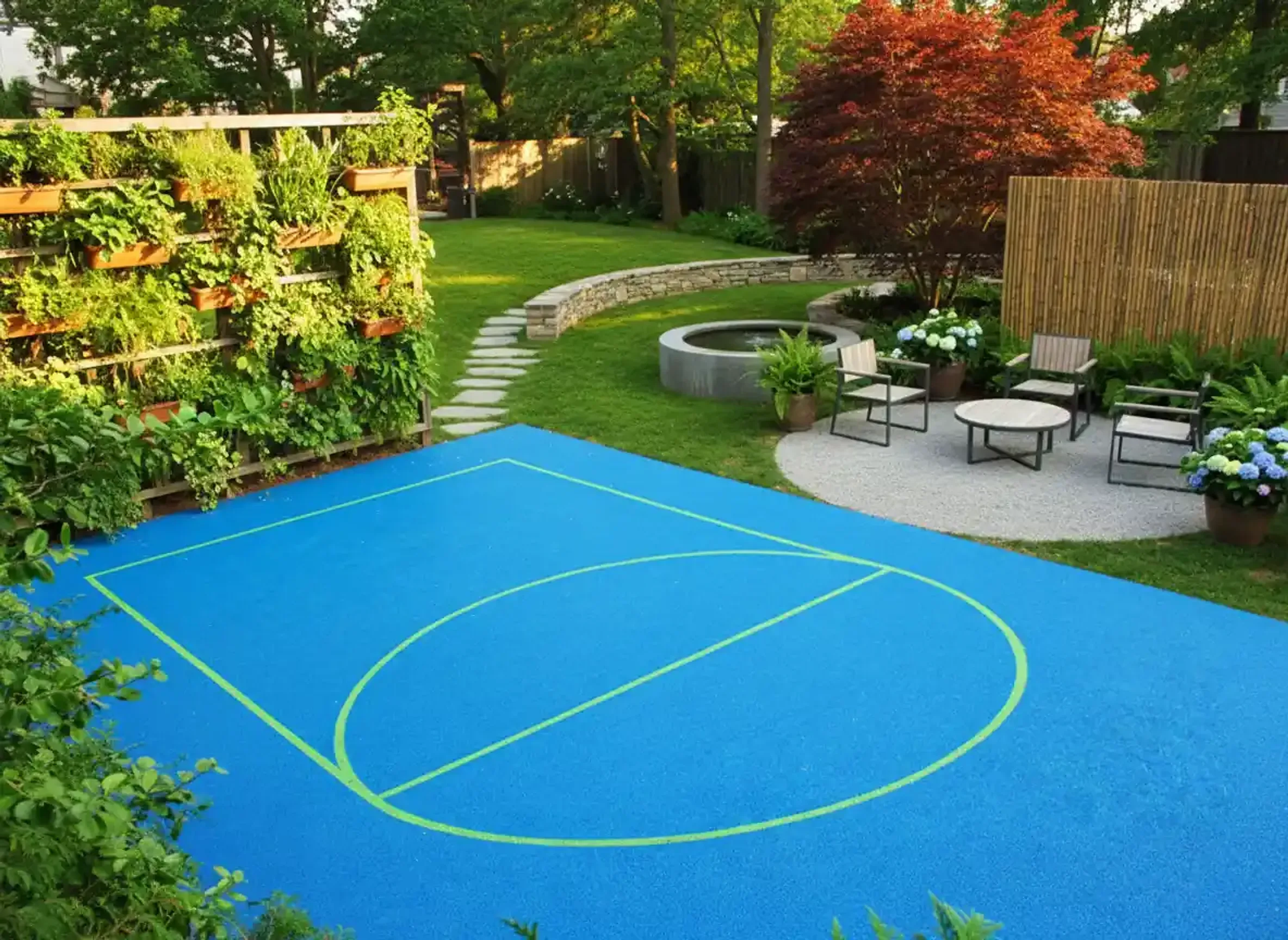
Lines and colors set into a surface that is kinder to fall on than concrete.
See finished courts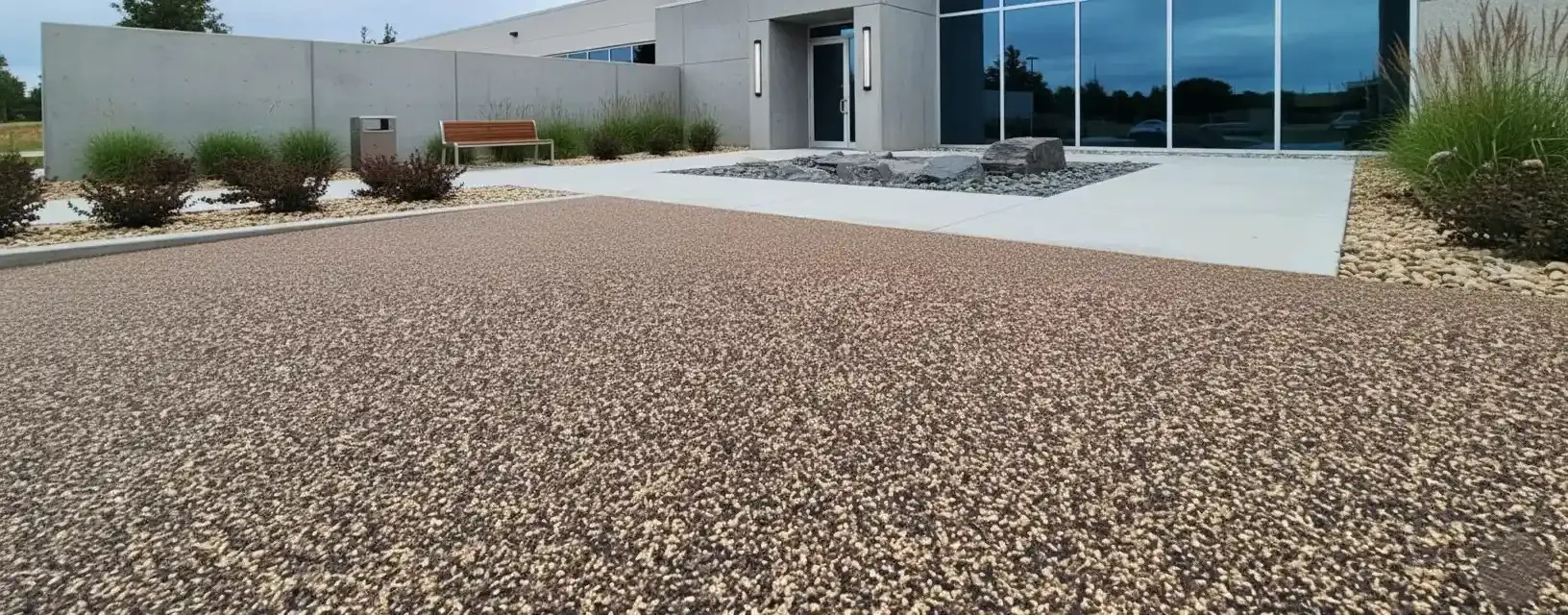
Bonded over sound concrete or asphalt, so the old surface can stay.
What to check firstBefore and after
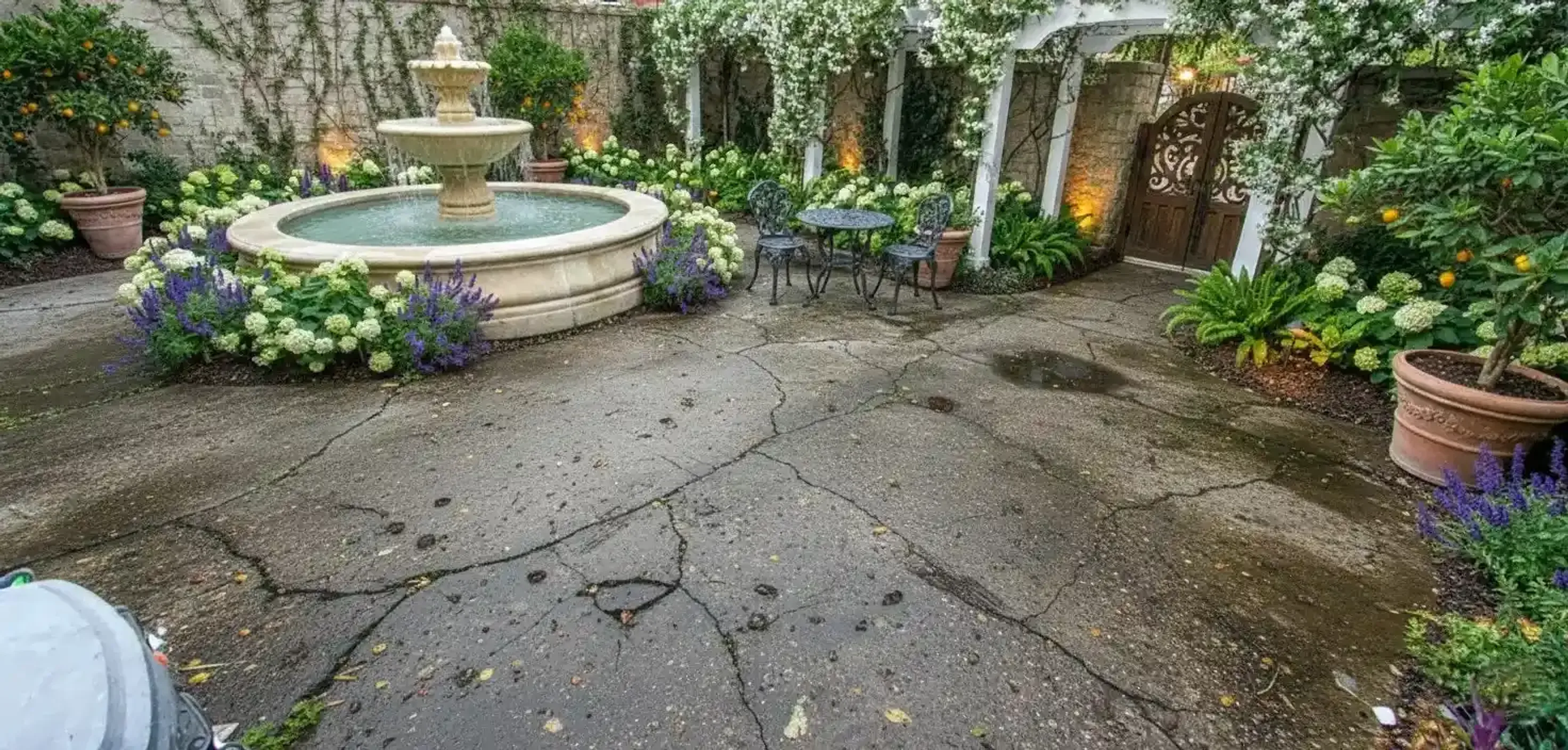
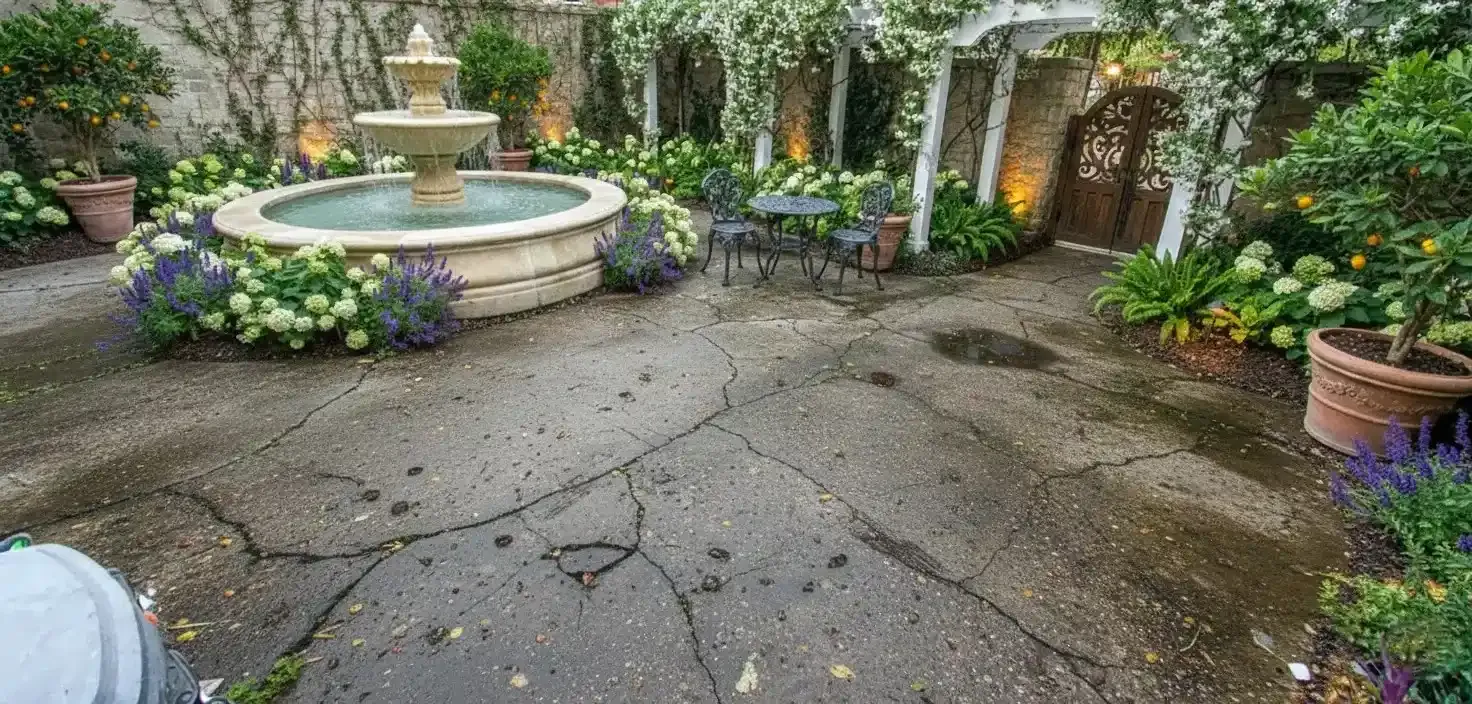
Resin rubber can go over structurally sound concrete. An installer checks the cracks, drainage and surface condition first, then recommends the preparation. Drag the handle to compare.
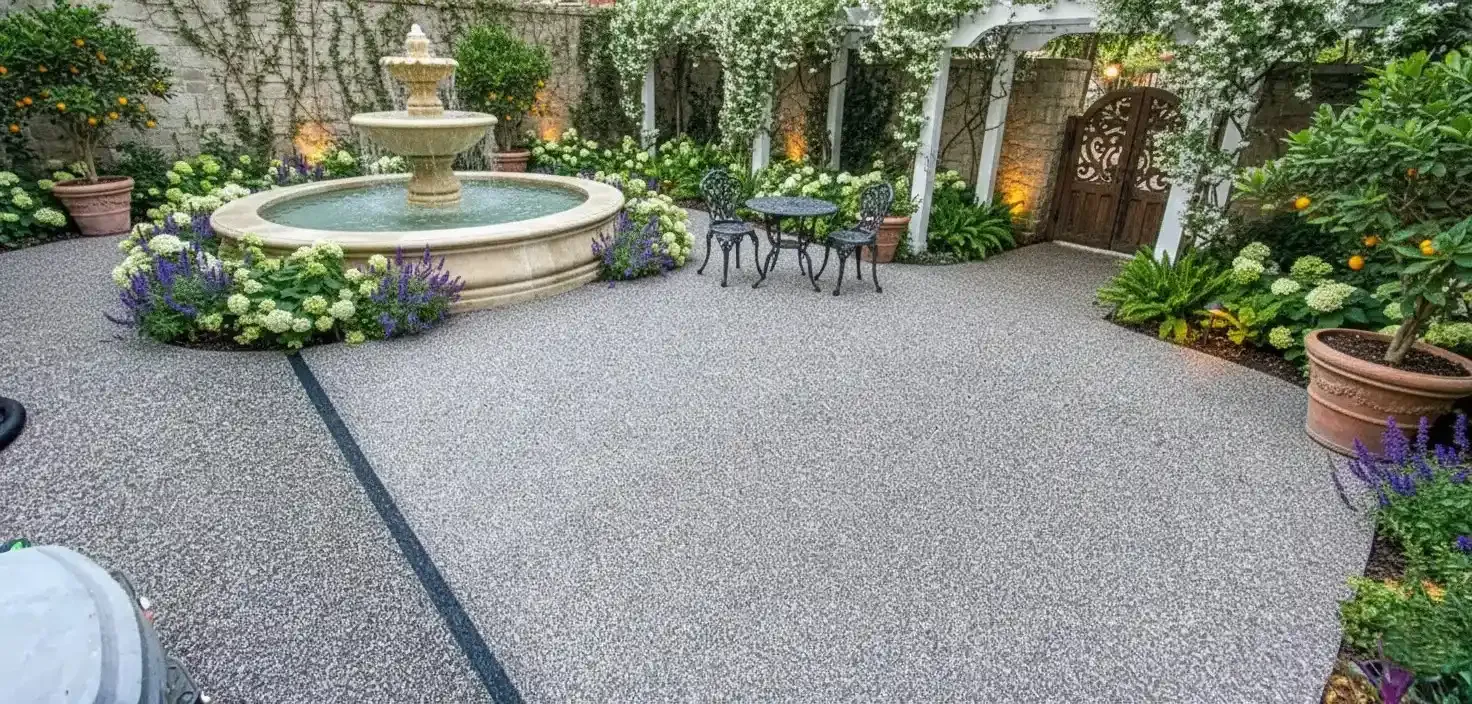
Why it lasts
Tile and thin coatings are rigid, so they crack or peel when the ground moves and temperatures swing. Bonded EPDM granules give a little instead, which is how the surface copes with heavy foot traffic and uneven bases.
The binder holds each granule in a layer that gives slightly under load, so it takes impact and foot traffic through hot summers and cold winters without chipping.
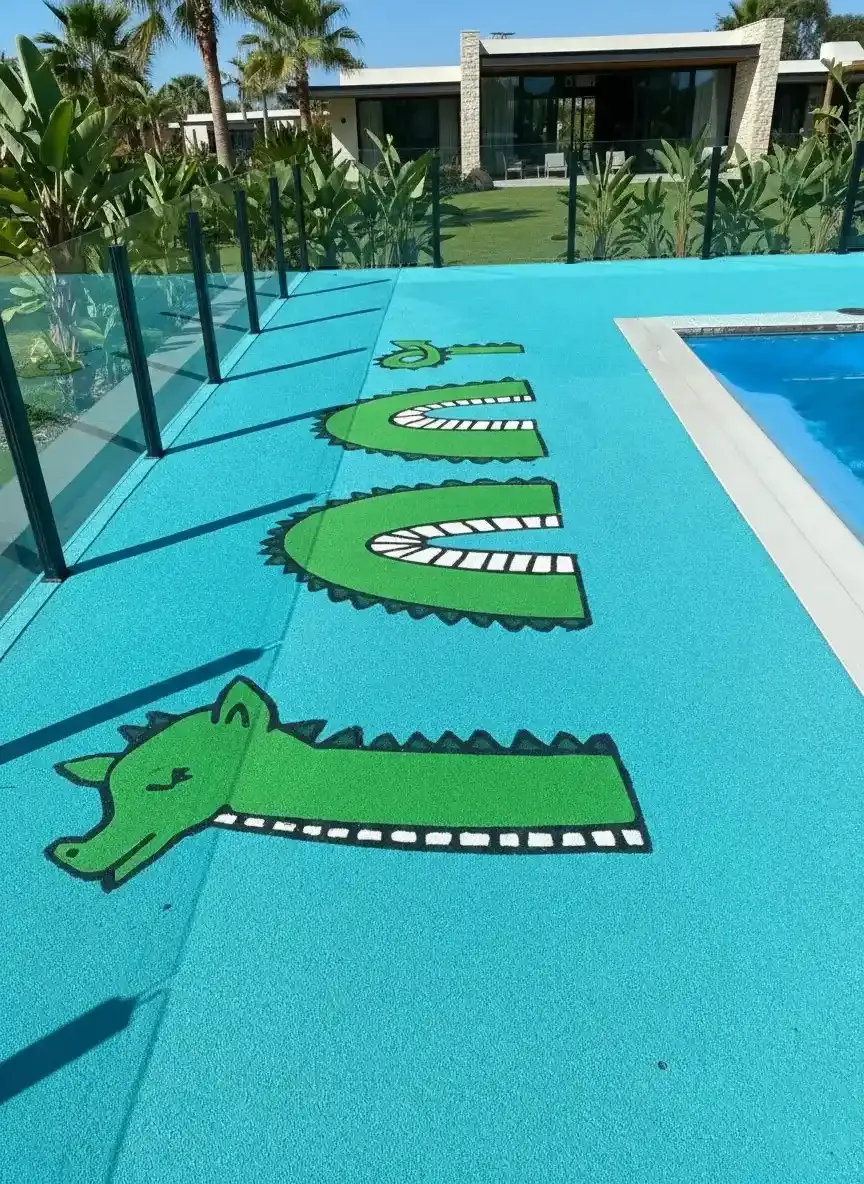
Twenty-eight solid colors, twelve blends, borders and inlays, so a resurfaced deck, driveway or gym floor picks up colors from the house and planting.
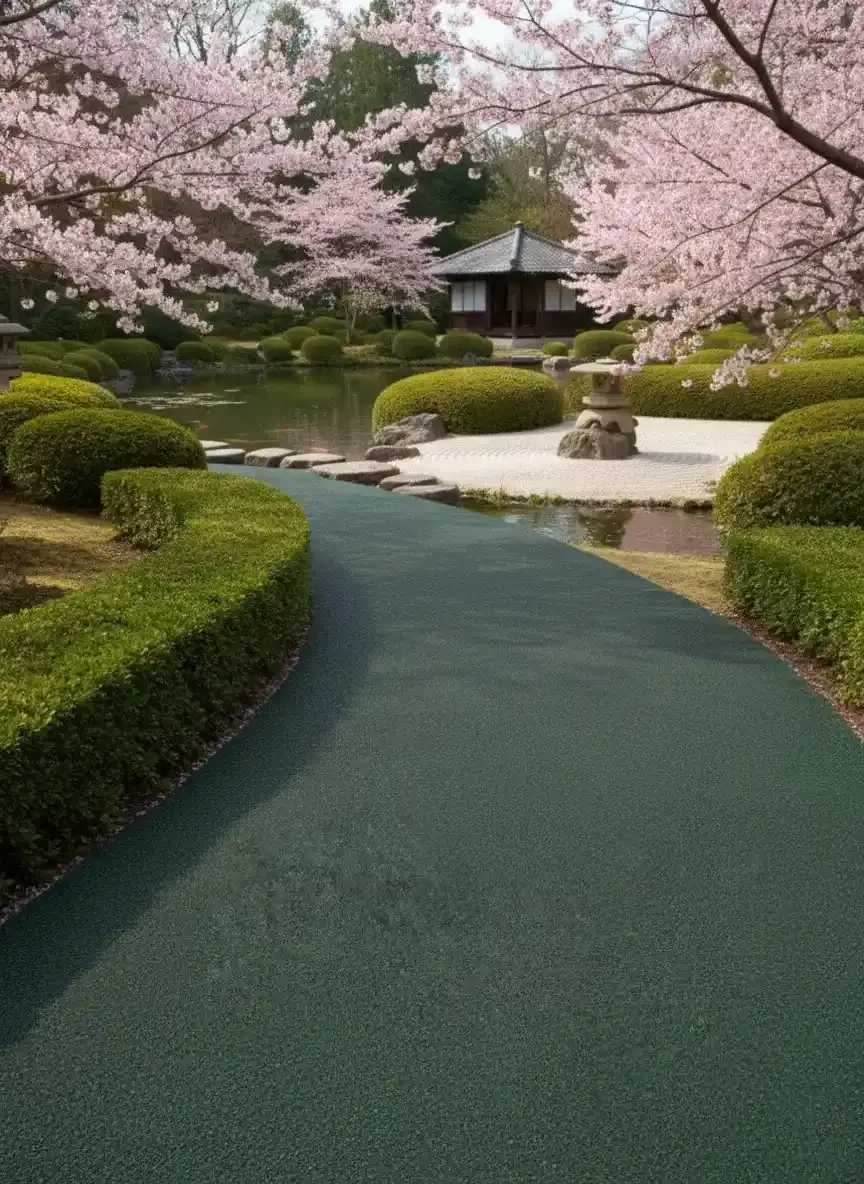
Care is mostly sweeping and washing. There are no joints for weeds and no yearly sealing. The granules use recycled rubber.
For contractors
Poured rubber can be quoted alongside the concrete, pool and landscaping work you already do, with the same crew and truck.
Guides and articles
Practical reading on EPDM granules, binders, colors and hiring an installer.
Featured guide · Hiring and installation
A checklist for contractors adding poured rubber: granules, binder, a forced-action mixer, buckets, trowel cleaner, training and supply.
Latest articles
Materials, cost and installation. All 33 answers are on the full FAQ page.
Resin rubber flooring is a surfacing system made by mixing rubber granules with a resin binder and troweling the mix over a prepared base. The binder holds the granules together as one continuous surface. Resin Rubber supplies the EPDM granules and binders for pool decks, patios, walkways and gyms.
A binder made to bond rubber granules, usually a polyurethane. Choose the binder specified for the granules, the application and the exposure; products are not interchangeable by name alone. Browse the resin binders and ask the materials team for current guidance.
Rubber is the soft, flexible material, here in the form of EPDM granules. Resin is the liquid binder that hardens as it cures. The resin binds the rubber granules into a strong, continuous surface.
Pool decks, patios, pathways, playgrounds, gyms, driveways, decks and other activity spaces. Suitability depends on the base, the intended use and the specified system. Review the installation planning guide and have an installer assess the site before choosing materials.
Often, when the concrete is structurally sound. Cracks, movement, drainage and surface contamination need to be assessed first. An overlay is not a substitute for repairing an unsuitable base.
The cured surface is porous, so water can pass through it rather than sitting on top. How well the area drains still depends on the base underneath and the falls around it, so plan drainage with your installer before the surface goes down.
Yes. Solid colors, mixed blends and layouts can be chosen for each project, including borders, zones and logos. Compare the color options, request physical samples and agree the final design with your installer.
Yes. Browse the solid and mixed colors and request a physical sample before you decide. Screen colors can differ from the material, so confirm the sample and blend with your installer. You can also try blends in the rubber visualizer.
Solid colors are one shade per bag and give a flat, even finish. Mixed blends combine two to four colors to a published recipe for a speckled, stone-like look. Both are the same EPDM material and install the same way.
Resin rubber is naturally slip-resistant when wet and soft underfoot, which is why it is widely used around pools, splash pads and wading areas. Slip resistance still depends on the specified system, the surface condition and maintenance, and no surface removes the chance of slipping. Discuss wet-area suitability, drainage and cleaning with your installer.
Any outdoor surface warms up in direct sun, and darker colors get warmer than light ones. For barefoot areas like pool decks and play areas, choose a lighter color and compare samples on site in the afternoon.
It is used in dog parks, kennels and animal care facilities because it is cushioned and can be washed down. Tell your installer how the area is cleaned and disinfected so the specification and finish suit the routine.
For materials, contact Resin Rubber with your application, area, existing surface and preferred colors. For installation, request an approved installer and include your location. The installer assesses the site and provides an installation quote.
Area, the condition of the existing surface, preparation, system thickness, the color or blend and installation requirements. Material quantities alone are not an installed price.
Coverage depends on the installed thickness and the specification, so there is no single figure. Approved trade customers can use the material calculator for an estimate, then have the materials team confirm the number of bags and binder pails for your job.