Rubber surfacing for dog parks, kennels and animal care facilities
Quick answer
Poured rubber is used in dog parks, kennels and animal care facilities because it is cushioned and can be washed down as a continuous surface. The cleaning and disinfecting routine should be settled with the installer before the specification is written, because it affects the system and the finish. Drainage, base condition and sun exposure matter as they do on any job.
Key takeaways
- Poured rubber is cushioned underfoot and finished as a continuous surface built for daily washdowns.
- Tell the installer how the area is cleaned and disinfected so the specification and finish suit the routine.
- Cleaner and disinfectant compatibility should come from the data sheets and the installer, not guesswork.
- Drainage and the condition of the base still decide how the surface performs.
Poured rubber is used in dog parks, kennels and animal care facilities because it is cushioned underfoot and is finished as a continuous surface that handles daily washdowns and disinfecting. The details that decide whether it works for your site are how the area is cleaned, how water drains and what the base is.
Why animal spaces use poured rubber
Two properties explain most of it, both from how the system is built.
- Cushioning. The surface is soft underfoot compared with bare concrete.
- One continuous surface. It is mixed and laid in place, so there are no tile seams where dirt can collect. Finished as a continuous surface, it is built to take washdowns and disinfecting.
Typical uses are kennel runs, dog parks and other animal spaces. See the gallery of facilities for projects, and the playground surfacing page for a related application of poured rubber.
Tell the installer how you clean
The most useful single thing you can give an installer for this application is your cleaning routine: how often the area is washed, with what, and whether it is disinfected. That information goes into the specification and the finish.
The Contractor Edition 2026 describes routine care as regular sweeping and occasional washing with mild soap and water. For anything stronger, including disinfectants, ask the materials team and your installer which cleaners are suitable for the system, and follow the care instructions for the installed surface.
Drainage and the base
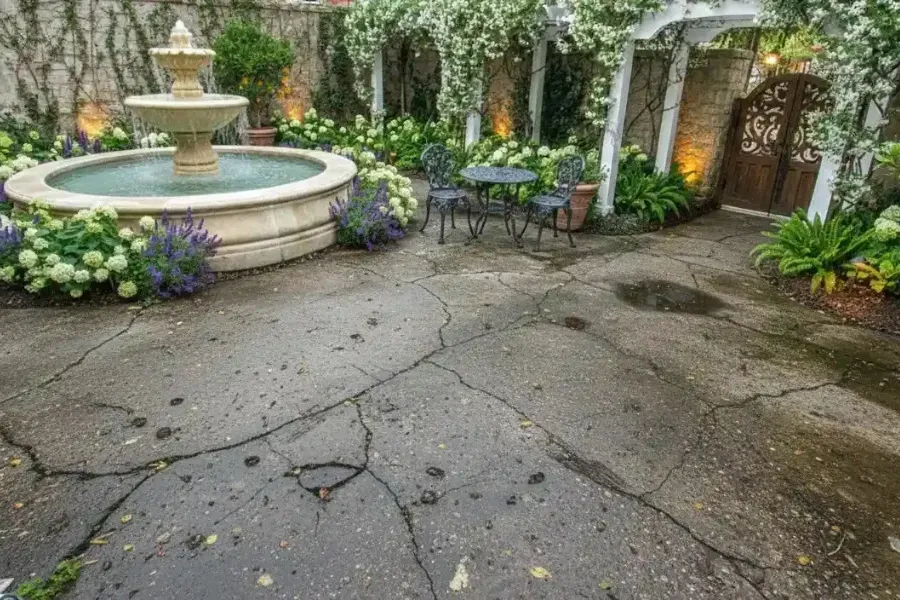
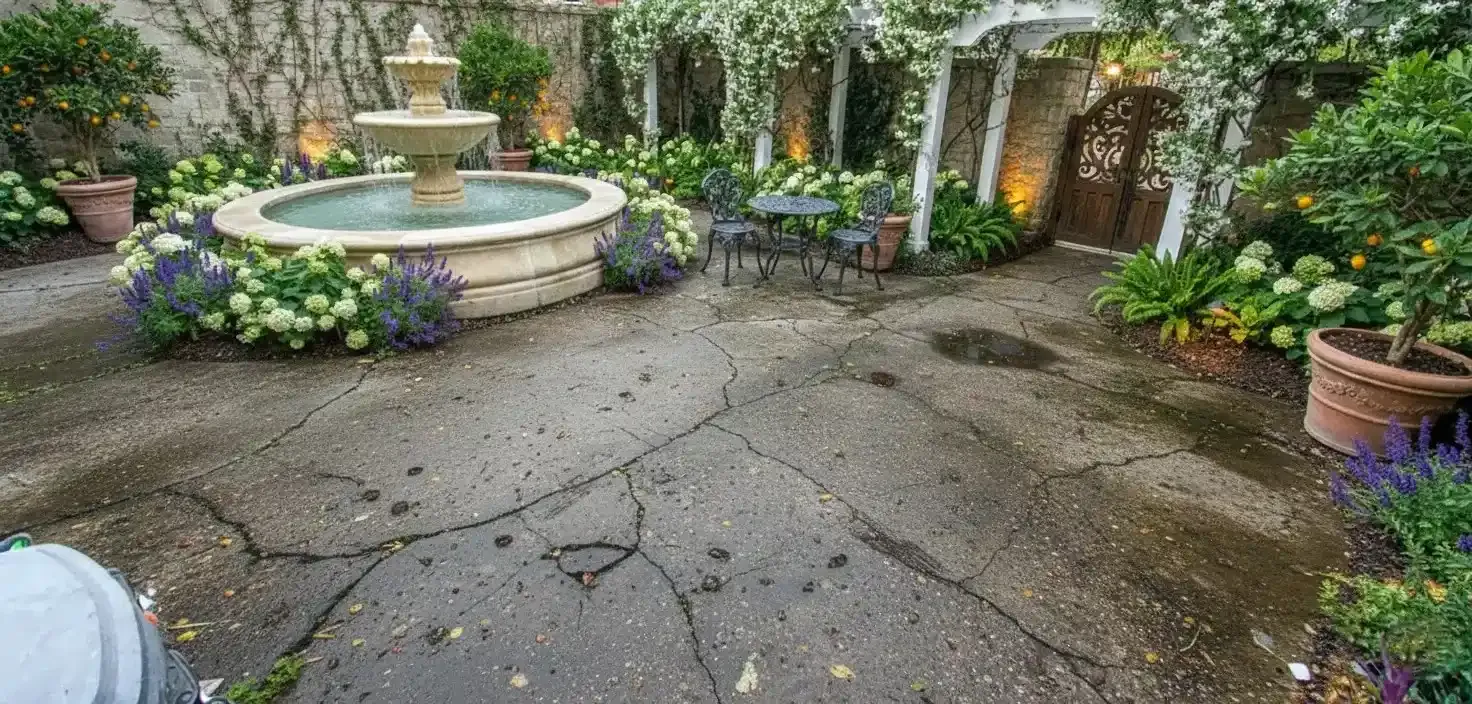
Washing a surface sends a lot of water across it. The cured surface is porous, so water can pass through it, but how well the area drains still depends on the base underneath and the falls around it. Plan the drainage with the installer before anything is poured. A new surface does not fix a failing base. The checks in is your concrete ready for rubber? apply to a kennel floor as much as to a patio.
Sun, color and paws
Any outdoor surface warms up in direct sun, and darker colors get warmer than lighter ones. Dog parks and outdoor runs are usually open to the sun, so compare light and dark samples on site in afternoon sun before choosing a color. Lighter blends such as Frost, Concrete, Sarasota and Sea Glass are common light choices. See color options.
Binder matters outdoors too. Layers that stay in sun need UV-stable aliphatic binder so the color stays true. See aliphatic vs aromatic binder.
Wear and repair
Heavily used areas will wear. A damaged patch can be cut out and re-poured in place, and using the same blend helps the repair match. Keep the blend details from the original order. See repairing and extending a rubber surface.
What to send when you ask for a quote
- The type of space: kennel, run, dog park or other.
- Measurements and a sketch of the layout.
- What the existing floor is, with photos of cracks.
- How the area is cleaned and disinfected.
- How water drains today.
- Your location and timing.
Then request an approved installer. For materials only, contact Resin Rubber.
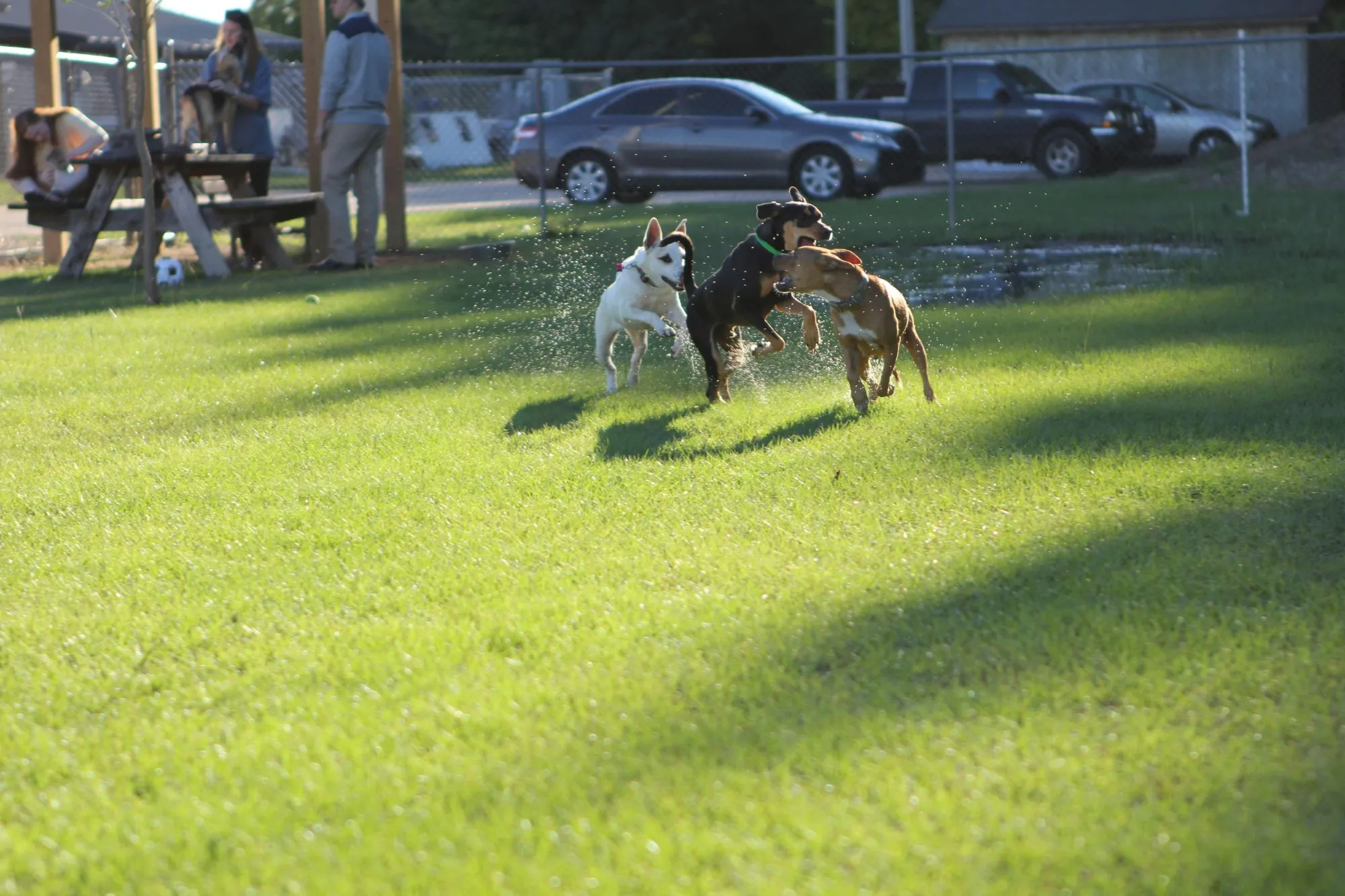
Lead image: a grass dog park, shown as an illustration, not a Resin Rubber surface. Photo by Judy Beth Morris on Unsplash.
Frequently asked questions
Is resin rubber good for dogs and animal areas?
It is used in dog parks, kennels and animal care facilities because it is cushioned and can be washed down. Tell your installer how the area is cleaned and disinfected so the specification and finish suit the routine.
Does a rubber surface get hot in the sun?
Any outdoor surface warms up in direct sun, and darker colors get warmer than light ones. For areas where animals walk barefoot or on bare paws, choose a lighter color and compare samples on site in the afternoon.
Who installs it?
An approved installer. Resin Rubber supplies materials and does not install.